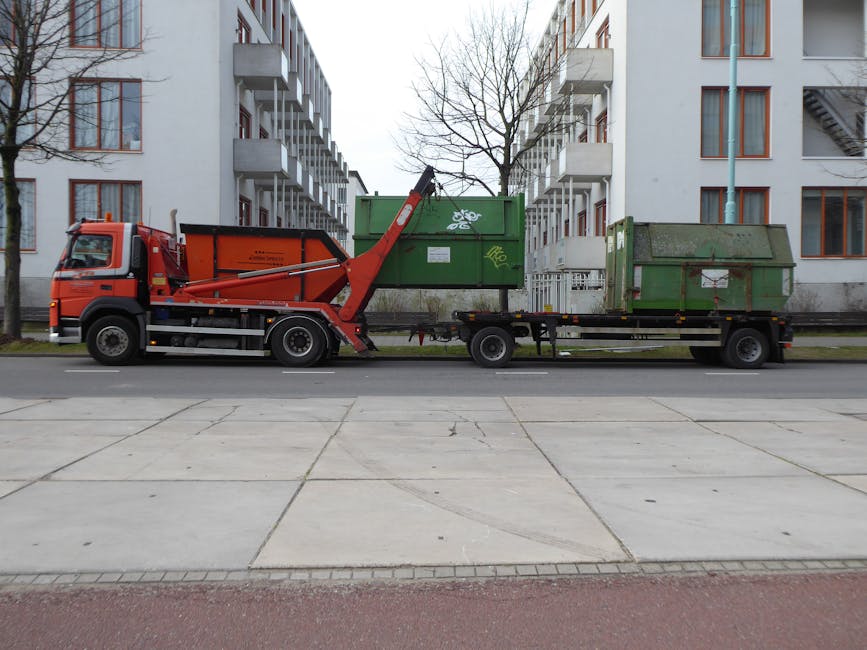
Rubbishless rubbish collection in the local area

Rubbishless provides rubbish collection in the local area for households and businesses that need unwanted items removed in a tidy, organised way. The service covers everyday mixed rubbish, bulky items and general waste that has built up over time, with collection arranged to suit the load and the access available. If you need a straightforward clear-out rather than a full house move or skip hire, this is a practical way to get waste taken away without managing the lifting yourself.
Our approach is built around sensible removal planning, separation where needed, and disposal routes that match the type of waste collected. We can help with single items, partial clearances and larger mixed loads, including furniture, old appliances, bagged rubbish and other material that no longer has a use in the property. Clear communication matters here: the more accurately the load is described, the easier it is to organise the right collection and avoid delays on the day.
If you are comparing options, look for a collection service that handles the type and volume of waste you actually have rather than assuming everything fits one format. Rubbish collection can be arranged for domestic clear-outs, commercial premises and awkward items that are too large for standard bins. Use the pages below to explore the different service routes, then request a quotation when you are ready.
Household rubbish collection and general clear-outs
For domestic jobs, the priority is often convenience: getting unwanted items out of the way quickly while keeping the property orderly. Our household rubbish collection covers mixed waste from everyday clear-outs, room refreshes and one-off decluttering. That might include broken household items, packaging, worn furnishings, bagged waste and a range of miscellaneous materials that have accumulated in sheds, cupboards, lofts or spare rooms.
Where the load is more specific, linked options can help readers choose the right route. For example, a house clearance is better suited to a wider domestic clear-out, while a flat clearance can be more appropriate where access, stairs or limited space shape the job. If you need a stronger focus on bulky objects rather than mixed waste, bulky waste collection and large item collection give a clearer fit for heavier individual pieces.
When planning a collection, it helps to separate items that definitely need removing from anything that might be kept, reused or recycled elsewhere. A simple note of what is included is usually enough to start shaping the work, especially if the load contains a mix of small and large pieces. For a quote, tell us what needs taking away and how much there is, then we can advise on the most suitable collection approach.
Furniture, mattresses and white goods
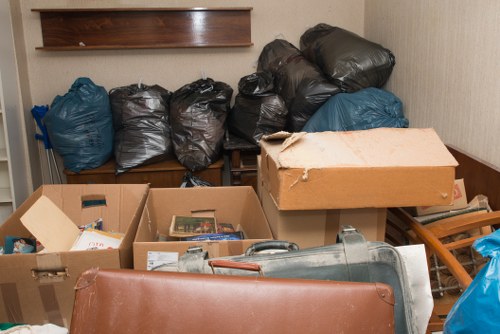
Large household items often need a more specific collection route because they are awkward to carry and difficult to dispose of through ordinary refuse services. We collect furniture, including items from lounges, bedrooms and dining areas, along with mattresses and selected appliances that need careful handling. That can be useful during a replacement, downsizing project or clear-out where several substantial items have to be removed together.
Relevant service pages can help match the item to the right destination. A furniture disposal page suits general furniture removal, while sofa removal is more focused when seating is the main item. For beds and sleeping equipment, bed disposal and mattress disposal are useful references, and white goods recycle covers appliances that require a more careful disposal route.
These jobs are usually simpler when the item list is clear and the access is described plainly. If a wardrobe needs dismantling first, or a fridge is in an awkward position, that affects how the work is arranged. One clear list of what is being removed makes it easier to select the right collection method and prepare a sensible quotation without unnecessary back-and-forth.
Garden, garage and loft waste
External and storage areas tend to gather waste in different ways, so the service needs to be flexible enough to deal with varied material. Garden rubbish can include cuttings, soil-contaminated debris, broken pots, old fencing and mixed outdoor waste, while garages and lofts often contain a broader combination of forgotten items, packaging and household overflow. Our collection service is designed to take that mixture away in one visit where suitable.
For more targeted pages, garden waste clearance focuses on outdoor material, while garage clearance suits storage spaces with accumulated household and DIY waste. If you are clearing the upper parts of a property, loft clearance is a more relevant route, especially where access is narrow or items have been stored for years. A broader waste clearance page is helpful when the load is mixed and does not fall neatly into one category.
Jobs like these often go better when the items are grouped by area before collection. That does not mean everything needs sorting into categories in advance; it simply helps to identify whether the waste is mainly garden material, general rubbish or storage overflow. If there are items you would like retained, separated or recycled, include that in your enquiry so the collection can be planned accurately.
Commercial waste collection for workplaces
Business waste often needs more structured removal than domestic rubbish because offices, shops and smaller commercial premises can produce a steady stream of mixed waste. Our commercial collection service is intended for workplaces that need responsible uplift of general rubbish, packaged material, old fittings and other non-hazardous items from back rooms, storage areas and staff spaces. The aim is to keep the process simple while still matching the waste type to the right disposal route.
Where the requirement is business-specific, the linked pages offer a clearer fit. Commercial waste collection suits routine workplace uplift, while commercial waste disposal is useful where the emphasis is on the downstream handling of the material. For smaller business settings, business waste removal may be the more natural description, and office clearance or office clearances can work when desks, chairs and other office contents are part of the job.
Practical planning matters here because commercial collections can involve access windows, loading points and shared premises. A brief description of what is being removed, how much space it occupies and whether there are any access issues is usually enough to shape the work. That helps decide whether the job is a simple collection, a fuller clearance or a staged removal across more than one area.
Property clearance for whole rooms and estates

Some jobs are broader than ordinary rubbish collection and need a property-level approach. Property clearance is useful where several rooms, outbuildings or storage areas contain a mixture of furniture, general waste and unwanted household effects. It can support downsizing, end-of-tenancy work, inherited property preparation and other situations where the contents of a space need to be removed in a controlled, orderly way rather than piecemeal.
There are several related routes depending on the setting. Home clearance and house clearance are the obvious domestic choices, while house clearances can be a convenient general reference for multiple-property or multi-room work. Where the matter is sensitive or tied to administration, probate clearance and probate house clearance are more precise service pages. If the property includes a mixture of household and storage waste, junk clearance may also be relevant.
These projects usually benefit from a calm, item-led approach rather than rushed assumptions. A room-by-room description can be useful, but it does not need to be complicated. If there are items that should not be touched, anything especially heavy or awkward, or areas with restricted access, note those points when asking for a quotation. That allows the collection to be planned around the actual property rather than a generic template.
Specialist clearances for more demanding situations
Not every waste job is routine. Some properties contain densely packed belongings, prolonged build-up or a collection pattern that calls for more patient, carefully sequenced work. In those cases, a specialist clearance route can be more appropriate than a standard rubbish uplift. Our service can be used for situations where the waste volume, layout or condition requires a more considered plan and where the aim is to remove material without creating unnecessary disruption.
For related needs, hoarder clearance suits heavily accumulated contents, while property clearance is a broader option for mixed circumstances. If you are dealing with one-off restricted spaces, a flat clearance or garage clearance may be the better fit, depending on where the waste is located. For less complex clear-outs, rubbish removal and waste removal provide simple general references.
Because specialist jobs vary so much, it is better to describe the situation accurately than to overstate or simplify it. Tell us what type of material is present, whether it is concentrated in one place or spread across several rooms, and whether there are any items that need extra caution. If you are unsure which service fits best, start with a plain description and ask for a quotation based on the information you have.
Recycling, disposal and responsible sorting
Good waste collection is not only about taking items away; it is also about choosing the right route for the material once it leaves the property. Some items can be separated for recycling, while others need to be disposed of through a suitable waste stream. The correct approach depends on the item type, the condition it is in and any handling considerations that apply to larger or mixed loads.
Our linked pages reflect those different routes. Waste disposal is the general destination for items that cannot be reused, while waste recycling and recycling and rubbish focus on the split between recoverable material and general rubbish. If the load is especially mixed, recycling and sustainability gives a wider view of the material-handling side of the service. For everyday domestic and trade waste, rubbish collection remains the simplest starting point.
The important point for customers is that not all waste is handled in the same way. A collection can include items that are destined for different treatment paths, and describing them clearly helps make the quote and collection plan more accurate. If you have an item list, even a short one, it is easier to choose the right service and reduce the chance of last-minute changes.
About the local area
The name of the place in this brief is not supplied, so a reliable location profile cannot be written without guessing. In a full version of this page, the area section would normally describe the local geography, settlement pattern and notable surroundings using verified information only. That might include whether the place is a town centre, suburb, village or borough; the main transport corridors serving it; long-established streets or conservation areas; and nearby parks, waterways or civic buildings that help define its character. It may also mention historically significant development, local industry, or the way the built environment has changed over time, provided those details are properly sourced. The point of the section is to give readers a clear, independent sense of place rather than a sales message. It should read as a factual profile of the locality in its own right, with specific dates, landmarks and architectural features included only when they can be verified. When a place has a distinctive social or cultural life, that can be reflected too, whether through markets, theatres, galleries, sports facilities or long-running community spaces. The result should be a concise but informative portrait of the area, written in neutral British English and free from promotional language. Without a reliably identified location, however, it is better to omit unsupported detail than to present a polished but inaccurate local summary. That keeps the page truthful and avoids inventing context that the source data does not establish. If the locality name is provided clearly in future input, this section can be replaced with a genuine place profile grounded in factual evidence.
Booking a collection and requesting a quotation

When you are ready to arrange rubbish collection, the simplest way to request a quotation is to set out the type of waste, the approximate amount and the collection address or access conditions if they matter. A short explanation is usually enough: for example, whether the job is a single-item uplift, a room clear-out or a mixed-load removal from several parts of the property. If something is unusually heavy, fragile or fixed in place, that should be mentioned too.
Two practical details help most with quotation accuracy. First, tell us whether items are easy to reach or whether they need moving from upstairs, a garden, a loft or a tight parking area. Second, say whether the load contains furniture, appliances, bagged rubbish or mixed material, because that affects how the work is arranged. Clear access information is often more useful than a long explanation, and it keeps the process efficient for everyone involved.
Once those points are clear, you can ask for a quotation in plain language. Use the service page that best fits the job, then describe what you need removed and when you would like the collection to happen. If you are unsure which route is most suitable, start with the most accurate item list you can provide and ask for guidance before committing to a specific service.
Choosing the right service page
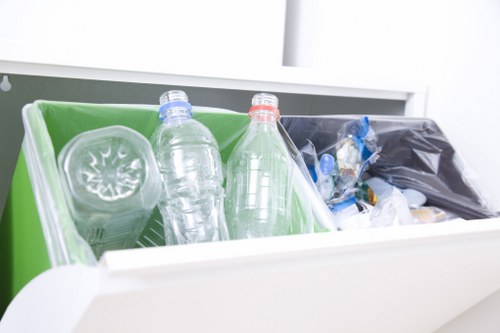
Different collections need different descriptions, and choosing the right page can make your enquiry more focused. A general rubbish collection suits mixed waste, while furniture, appliance and property-level jobs each have their own practical shape. If you are not sure where your requirement fits, it is usually best to begin with the closest match rather than trying to force a broad description into one narrow label. The pages linked above provide a useful route through the main options.
For a domestic clear-out, you might move from house or flat clearance to furniture disposal, then on to garden or loft waste if the load is more specific. For business users, commercial waste collection or office clearance is often the stronger starting point. In each case, the aim is the same: remove the unwanted material safely, keep the process tidy and place the waste into the most suitable disposal or recycling path. If the job is unusually complex, specialist clearances offer a better fit than a generic uplift.
To finish, send a brief description of the waste and ask for a quotation. If the collection is straightforward, a concise note is usually enough to get started. If it involves several rooms, awkward access or mixed material, include those details so the quote reflects the real work involved. Request a quotation through our contact page when you are ready.