Recycling and Rubbish in London: A Practical, People-Focused Approach to Cleaner Streets and Smarter Waste Management
Recycling and rubbish in London is more than a daily household task; it is a citywide responsibility that affects neighbourhood cleanliness, local budgets, environmental health, and the overall quality of urban life. From busy flats in Zone 1 to family homes in outer boroughs, Londoners generate a huge variety of waste every day, and managing that waste properly matters. As the capital continues to grow, so does the need for reliable rubbish removal, smarter recycling habits, and more sustainable disposal choices.
Whether you are clearing out a home, managing commercial waste, or simply trying to understand what goes in which bin, the topic of rubbish in London can feel surprisingly complex. Rules vary by borough, collection schedules differ, and recycling systems are not always identical from one street to the next. Still, with the right information, it becomes much easier to handle rubbish in London responsibly, reduce landfill waste, and support a cleaner environment.
In this article, we look at the key aspects of recycling and rubbish in London, including household waste, business waste, bulky item disposal, eco-friendly habits, and the importance of choosing the right waste services. If you want to make better decisions for your home, workplace, or project, this is a useful starting point. Contact us today or book your service now when you need practical waste support that keeps London moving in the right direction.
Why Recycling and Rubbish in London Matters More Than Ever
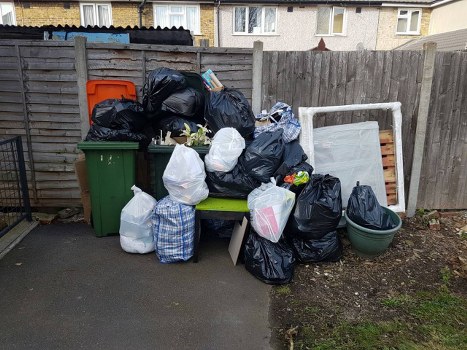
London is one of the busiest cities in the world, which means the volume of rubbish generated each day is enormous. From packaging and food waste to furniture, electronics, and renovation debris, the waste stream is constantly changing. Recycling and rubbish in London therefore play a vital role in reducing pressure on landfill sites, lowering emissions, and improving public health.
When rubbish is not sorted properly, recyclable materials can end up in general waste, where they lose value and create unnecessary environmental harm. Meanwhile, overflowing bins and illegal dumping can attract pests, create unpleasant odours, and affect the appearance of streets and estates. For residents, landlords, property managers, and businesses, responsible rubbish disposal is not just about convenience; it is about maintaining a safer and more attractive city.
London also faces unique challenges because of its density. Many people live in flats with limited storage space, shared bin areas, or communal recycling facilities. In commercial districts, businesses often generate waste at a rapid pace and need efficient collection systems. This makes recycling and rubbish in London a topic that touches every part of the city, from homes and offices to shops, restaurants, and construction sites.
Understanding Household Recycling in London

Household recycling is the starting point for better waste management. Most boroughs in London offer separate collections for mixed recycling, food waste, garden waste, and general rubbish, although the exact setup varies. Knowing what belongs in each container helps improve recycling rates and reduces contamination, which is a major issue for waste processors.
Common household recycling items often include paper, cardboard, plastic bottles, cans, tins, and certain glass containers. Many boroughs also accept clean foil, aerosols, and cartons, but local rules matter. One of the most important habits is checking your borough’s recycling instructions, because incorrect sorting can lead to entire loads being rejected.
It is also useful to keep recycling clean and dry whenever possible. Food residue, liquids, or mixed materials can make recycling harder to process. For example, a greasy pizza box may need to be split, with the clean top recycled and the contaminated bottom placed in general waste. These small actions make a real difference to recycling and rubbish in London, especially when multiplied across millions of households.
Simple ways households can improve recycling
- Rinse food containers before placing them in recycling bins.
- Flatten cardboard boxes to save space.
- Remove non-recyclable items such as plastic film, where required.
- Check labels and borough rules before disposing of packaging.
- Use food waste bins for scraps rather than general rubbish.
Rubbish Collection Across London Boroughs

One of the most noticeable features of rubbish in London is that collection systems differ across boroughs. While the city shares the same broad environmental goals, local councils manage their own waste contracts and schedules. This means the collection day, bin colours, accepted items, and rules for bulky waste can change depending on where you live.
For residents, this can be confusing at first, especially when moving from one part of London to another. A bin that is used for mixed recycling in one borough might be for paper only in another. Some areas provide weekly food waste collections, while others combine certain materials in different ways. The key is to treat local council information as the source of truth.
Understanding local collection arrangements is essential for avoiding missed pickups and fines. Overflowing bins, incorrect sorting, or leaving rubbish out on the wrong day can cause issues in communal areas and may also attract complaints from neighbours. In densely populated neighbourhoods, efficient rubbish collection in London is central to keeping streets clean and shared spaces usable.
What residents should always check
- Your borough’s bin collection calendar.
- The correct colour and use of each bin or sack.
- Rules for food waste and garden waste collection.
- Holiday collection changes and service disruptions.
- Local restrictions on side waste or extra bags.
Bulky Waste, Office Clearances, and Specialist Disposal
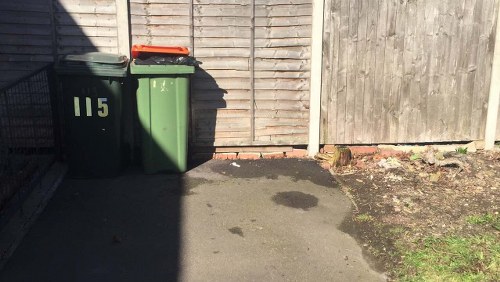
Not all rubbish fits into standard household bins. Large items such as mattresses, wardrobes, broken appliances, office furniture, and renovation leftovers need special handling. This is where bulky waste services and specialist clearance providers become important. In a city like London, where space is limited and buildings can be difficult to access, proper planning makes removal much easier.
Bulky waste in London often includes items that cannot be placed in normal wheelie bins or communal containers. Councils may offer bulky collection services, but these are not always suitable for urgent jobs, large volumes, or restricted access properties. Private waste removal services can be a practical choice for loft clearances, end-of-tenancy cleanouts, garage clearances, office refurbishments, and same-day removals.
Efficiency, compliance, and responsible disposal are crucial when dealing with larger loads. Good waste providers sort recyclable materials where possible, separate reusable items, and dispose of non-recyclable rubbish in approved facilities. This approach supports better recycling and rubbish in London while helping property owners reclaim valuable space quickly.
Typical situations where specialist clearance helps
- Moving house and needing to dispose of unwanted furniture.
- Clearing offices after refurbishment or relocation.
- Removing debris after building or DIY projects.
- Handling tenancy clear-outs between occupiers.
- Getting rid of old appliances or broken equipment.
Commercial Recycling and Business Waste in London
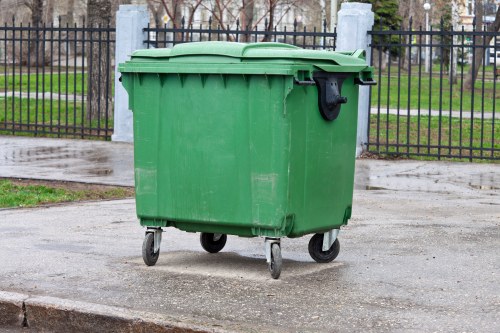
Businesses across London produce a wide range of waste, from office paper and packaging to catering waste, glass, and industrial by-products. For commercial operators, recycling and rubbish in London are not optional extras; they are an essential part of responsible business management. Proper waste handling can reduce costs, improve workplace standards, and support sustainability goals.
Many businesses now separate recyclables at source, using dedicated containers for cardboard, plastics, food waste, and general waste. This helps reduce contamination and can make commercial waste collection more efficient. Offices often focus on paper and confidential waste, while retail, hospitality, and construction businesses may need more tailored solutions depending on the type and volume of waste produced.
Regular collections, clear storage areas, and staff awareness all help improve outcomes. In busy commercial districts, overflowing bins can create access problems and damage a business’s image. By managing rubbish in London properly, companies can keep premises clean, meet environmental expectations, and show customers that they value sustainability.
Business waste best practices
- Separate recyclable materials before collection.
- Train staff to dispose of waste correctly.
- Use secure disposal for confidential documents.
- Schedule collections according to waste volume.
- Choose providers that prioritise recycling and lawful disposal.
The Environmental Impact of Better Waste Choices
Improving recycling and rubbish in London is one of the simplest ways to support the environment at a local level. Every item diverted from landfill helps conserve resources, reduce emissions, and lower the environmental burden of waste transport and processing. Even modest improvements in household and business habits can scale up across the city and produce meaningful results.
Recycling saves energy because manufacturing from recovered materials often uses less power than producing from raw resources. Paper can be reprocessed into new paper products, metals can be recycled repeatedly, and certain plastics can be turned into new packaging or consumer goods. In practical terms, this means less extraction, less pollution, and less strain on natural ecosystems.
Of course, recycling is only part of the picture. Reuse, repair, and waste reduction are equally important. The best rubbish management in London starts before an item reaches the bin. If something can be donated, repaired, repurposed, or sold, it may never need to enter the waste system at all. This is where a more circular mindset can make a lasting difference.
Ways to reduce waste before it becomes rubbish
- Buy products with minimal packaging.
- Choose reusable containers, bottles, and bags.
- Repair appliances and furniture where possible.
- Donate usable items to charities or reuse networks.
- Plan purchases carefully to avoid unnecessary waste.
Common Problems with Rubbish in London and How to Avoid Them
Despite good intentions, many people still face practical problems when dealing with rubbish in London. Limited storage in flats, confusing bin rules, and inconsistent habits among residents can all lead to issues. Common problems include overflowing bins, contamination in recycling, missed collections, and fly-tipping in shared or public spaces.
One major issue is contamination. When non-recyclable items are placed in recycling bins, the whole load can be compromised. Another problem is overfilling bins, which often happens in properties with too many occupants or not enough collection capacity. In shared accommodation, unclear responsibility can lead to rubbish being left in hallways or bin stores.
These problems are avoidable with a bit of organisation. Keeping bins labelled, setting household rules, and arranging timely clearances can greatly reduce stress. In commercial settings, regular audits of waste output can help identify the need for bigger bins, more frequent collections, or improved segregation. Better planning leads to better recycling and rubbish in London overall.
How to prevent common waste issues
- Use clearly marked bins for different waste types.
- Do not leave rubbish beside full bins unless permitted.
- Arrange extra collections when volumes increase.
- Keep bin stores tidy and accessible.
- Report fly-tipping or illegal dumping promptly.
How Rubbish Removal Services Support London Homes and Businesses
Professional rubbish removal services play a valuable role in keeping the city functioning smoothly. They help residents, landlords, and businesses clear unwanted waste quickly while ensuring items are handled safely and legally. For people with limited time, heavy items, or large volumes of rubbish, these services offer a practical solution that saves effort and reduces disruption.
A good rubbish removal team will sort, load, transport, and dispose of waste in line with regulations. Where possible, recyclable items are separated from general waste, and reusable materials may be diverted away from disposal altogether. This contributes to more responsible recycling and rubbish in London, especially when compared with ad hoc dumping or poor-quality clearance practices.
These services are especially useful after renovations, office moves, garden projects, or end-of-tenancy clean-ups. They can also help with emergency clearances where safety or hygiene is a concern. For busy households and organisations, having dependable waste support means less clutter, fewer delays, and more control over the space you use every day.
What to look for in a rubbish removal provider
- Clear pricing and transparent service terms.
- Responsible disposal and recycling practices.
- Flexible booking options, including urgent collections.
- Experience with both domestic and commercial waste.
- Proper handling of bulky, mixed, or sensitive waste.
Recycling, Sustainability, and the Future of Waste in London
London continues to push toward a more sustainable waste future, and recycling is a major part of that ambition. As public awareness improves and services evolve, residents and businesses have more opportunities to reduce waste and support greener outcomes. From smarter sorting systems to better reuse initiatives, the city is gradually moving toward a less wasteful model.
Technology also plays a growing role. Improved tracking, better route planning, and data-driven collection strategies can make rubbish services more efficient. At the same time, public education remains crucial. People need clear, practical advice so they can confidently sort their waste without guesswork. The more consistent the system becomes, the easier it is to improve recycling and rubbish in London at scale.
Looking ahead, the focus is likely to remain on reducing contamination, boosting recycling rates, and cutting unnecessary disposal. That includes encouraging households to compost food waste, helping businesses reduce packaging, and supporting local reuse schemes. The future of rubbish in London depends not only on collection services but also on the everyday choices made by millions of people.
Long-term priorities for a cleaner city
- Reduce avoidable waste at the source.
- Improve recycling participation across all boroughs.
- Expand reuse and repair opportunities.
- Support cleaner streets and faster clearances.
- Keep rubbish disposal simple, legal, and efficient.
Practical Tips for Managing Recycling and Rubbish in London
If you want to make rubbish management easier at home or at work, it helps to build a few simple habits. Start by identifying the waste you produce most often. That might be food waste, packaging, paper, or furniture. Once you know the pattern, you can organise containers and collections more effectively.
Consistency is key. A small routine, such as checking bins before collection day or setting aside recyclable cardboard as it is used, can prevent mess and confusion. In shared buildings, it may help to post simple waste instructions in communal areas so everyone follows the same approach. This is especially useful where recycling and rubbish in London must be managed by many different users.
You should also think about seasonal changes. During moving periods, bank holidays, or renovation projects, waste volumes can increase quickly. Planning in advance gives you more control and reduces the chance of overflow. If needed, use a trusted clearance service rather than leaving waste to accumulate. It is always easier to prevent a rubbish problem than to fix one after it becomes unmanageable.
- Plan ahead for moves, refurbishments, and events.
- Keep reusable bags and containers ready.
- Store recycling neatly to avoid spills.
- Use local services to manage larger waste volumes.
- Make waste sorting part of your normal routine.
Conclusion: Smarter Recycling and Rubbish Habits Help London Thrive
Recycling and rubbish in London affect almost every part of daily life, from the way streets look to the way homes and businesses function. Good waste habits reduce clutter, protect the environment, and support a city that is more pleasant to live and work in. Whether you are sorting household recycling, arranging a bulky item collection, or managing commercial waste, the principle is the same: dispose responsibly, recycle where possible, and keep London cleaner for everyone.
By understanding borough rules, separating waste carefully, and using the right services when needed, you can make a real difference. Cleaner streets, better recycling rates, and less landfill waste begin with practical decisions made every day. If you need fast, reliable help with rubbish in London or want to improve your waste handling approach, contact us today and book your service now to take the next step toward a tidier, more sustainable space.