About Us Rubbish Less
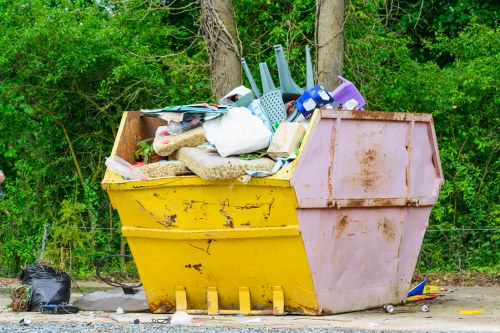 Welcome to Rubbish Less, where thoughtful waste reduction meets practical everyday action. Our story is built around a simple idea: less rubbish means more value for people, communities, and the environment. In a world that produces enormous amounts of waste, we believe there is a better way to live, work, and consume. The mission behind About Us Rubbish Less is not only to reduce what ends up in landfill, but also to help people make smarter choices that support cleaner spaces and a more responsible future.
At its core, Rubbish Less is about change that feels achievable. We know that waste reduction can sound complex, but meaningful progress often begins with small decisions repeated consistently. Whether it is reducing single-use items, choosing reusable alternatives, separating materials properly, or simply buying less, every action matters. Our approach focuses on realistic habits that can be adopted in homes, workplaces, schools, and shared spaces without making sustainability feel overwhelming.
We created this identity around the idea that waste should not be treated as an unavoidable by-product of modern life. Instead, it should be considered a signal that something in the system can improve. The philosophy of Rubbish Less encourages people to think before they discard, to value what they already own, and to support a culture where reuse and responsibility are part of everyday life.  This mindset is not about perfection; it is about steady improvement, informed choices, and a willingness to do better with less.
Who We Are and What We Stand For
Rubbish Less represents a commitment to practical sustainability. We are driven by the belief that environmental responsibility should be understandable, accessible, and relevant to daily routines. Many people want to reduce waste, but they do not always know where to start. That is why the focus of About Us Rubbish Less is on clarity, usefulness, and long-term impact. Our perspective is grounded in the understanding that real change happens when people are supported by ideas that fit naturally into their lives.
We value awareness, accountability, and creativity. Waste reduction is not only about disposal; it is also about design, planning, purchasing, and behavior. When communities begin to question what they use, why they use it, and how long it lasts, they begin to uncover opportunities for improvement. This is where the Rubbish Less approach becomes especially powerful. It shifts the focus from reacting to waste to preventing it in the first place.
Our name reflects a broader vision: a cleaner future that is built on less waste and more intention. We believe people are more likely to make sustainable choices when those choices are practical, affordable, and clearly beneficial. By promoting smarter habits and encouraging thoughtful consumption, Rubbish Less helps make environmental responsibility feel less like a burden and more like a natural part of modern living.
Why Waste Reduction Matters
Reducing rubbish is important for environmental, social, and economic reasons. Every item thrown away has a story: materials were extracted, energy was used, transport was involved, and resources were committed. When waste is minimized, those resources are used more wisely. 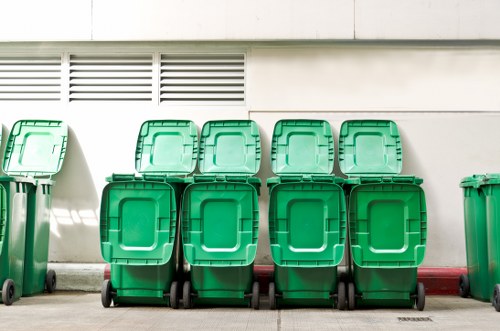 This is why Rubbish Less matters. It supports a future where fewer raw materials are wasted and more value is retained in the items we already have.
Landfill overuse contributes to pollution, greenhouse gas emissions, and the loss of usable materials. Many discarded items could have been reused, repaired, repurposed, or recycled if people had better systems and stronger habits in place. A rubbish less mindset helps interrupt that cycle. It encourages awareness at the point of purchase and reminds us that the best waste is the waste that never gets created.
There is also a financial benefit to thinking differently about waste. Buying only what is needed, choosing durable products, and extending the life of household items can reduce unnecessary spending. For families, organizations, and communities, less waste often means better efficiency and more thoughtful use of budgets. In this way, About Us Rubbish Less is not just an environmental statement; it is a practical philosophy with everyday value.
Our Approach to Everyday Sustainability
Rubbish Less promotes habits that are easy to understand and meaningful in practice. The aim is not to demand major lifestyle changes overnight, but to build momentum through small improvements. This might involve selecting reusable containers, separating materials correctly, using items longer, or planning purchases to avoid excess. These actions may seem simple, but together they shape a more responsible way of living.
One of the strengths of the About Us Rubbish Less concept is its focus on consistency. Sustainability works best when it becomes a routine rather than an occasional effort. For this reason, we emphasize choices that can be repeated day after day. From the kitchen to the office to shared community areas, there are countless opportunities to reduce unnecessary waste and improve how materials are used.
Our philosophy also recognizes that people are more likely to participate when solutions are visible and straightforward. Complex systems can create confusion, but practical habits build confidence. The Rubbish Less attitude is centered on making better choices feel normal. Whether that means reducing packaging, rethinking storage, or finding a new purpose for old items, the underlying principle remains the same: use resources carefully and avoid throwing away what still has value.
Building a Culture of Reuse
A major part of waste reduction is learning how to reuse what already exists. Reuse extends the life of products, lowers demand for new materials, and prevents useful items from being discarded too early. The Rubbish Less mindset supports this by encouraging creative thinking and practical decision-making. Instead of treating objects as temporary, we can begin to see them as part of a longer lifecycle.
Reuse can happen in many forms. Containers can serve new purposes, furniture can be repaired, packaging can be repurposed, and materials can be passed along rather than thrown out. Each of these actions reduces pressure on landfill systems and helps conserve resources. A rubbish less lifestyle does not require a constant search for new solutions; often, it begins by looking at ordinary items in new ways.
Communities that embrace reuse often discover additional benefits beyond waste reduction. They become more resourceful, more collaborative, and more aware of the value already present in their surroundings. This is one of the reasons About Us Rubbish Less remains centered on action that is both meaningful and attainable. By celebrating what can be reused, we help create a culture that values longevity over disposability. 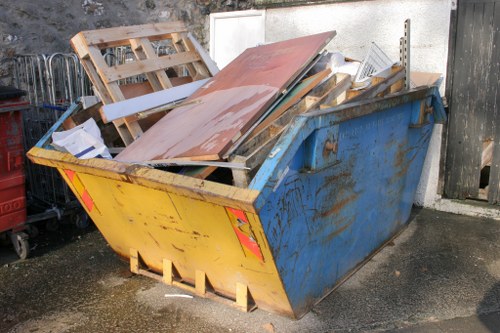
Less Waste, Better Choices
The choices people make every day influence how much rubbish they generate. Product selection, storage habits, meal planning, and cleaning routines all affect the amount of material sent to disposal. Rubbish Less encourages more thoughtful decision-making in each of these areas. A small shift in behavior can reduce waste significantly over time, especially when repeated across households or workplaces.
For example, choosing durable items over disposable ones can dramatically reduce rubbish output. Planning meals carefully can lower food waste. Buying in appropriate quantities can prevent excess packaging and spoilage. Even a simple habit like keeping reusable bags, bottles, or containers nearby can make a measurable difference. The About Us Rubbish Less perspective connects these everyday actions with a larger purpose: fewer wasted resources and a cleaner environment.
Reducing rubbish is not about doing everything perfectly. It is about making decisions that align with a more responsible and efficient lifestyle. Over time, these decisions become part of identity and culture. They influence how people shop, organize, clean, and think about their surroundings. That is why Rubbish Less places such strong emphasis on behavior that is easy to adopt and sustainable in the long term.
How Rubbish Less Supports a Cleaner Future
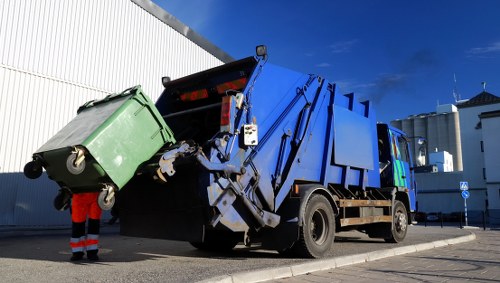 A cleaner future begins with a clearer understanding of waste. When people recognize how rubbish is created and where it goes, they are better equipped to reduce it. The Rubbish Less vision supports that awareness by encouraging a more careful relationship with the things we use. Instead of consuming without reflection, we can make decisions that protect resources and reduce pollution.
This future depends on habits that are both personal and collective. At the individual level, every person can lower waste by choosing reusable products, maintaining items for longer, and avoiding unnecessary purchases. At the community level, shared responsibility can improve sorting, reuse, and general waste awareness. The About Us Rubbish Less message connects these layers and shows that cleaner living is possible when people act with intention.
Environmental responsibility is often most effective when it feels relevant to daily life. That is why the Rubbish Less approach does not rely on abstract ideals alone. It translates sustainability into routines, habits, and decisions that fit naturally into modern living. This makes the idea easier to understand and more likely to endure.
Practical Values Behind the Rubbish Less Philosophy
At the heart of the Rubbish Less philosophy are a few core values: responsibility, simplicity, and efficiency. Responsibility means recognizing the impact of our choices. Simplicity means choosing solutions that are easy to maintain. Efficiency means getting the best use from the materials and products already available. Together, these values form a practical foundation for reducing rubbish in meaningful ways.
The About Us Rubbish Less concept also values awareness. People cannot improve what they do not notice, which is why understanding waste patterns is so important. Once waste becomes visible, it becomes manageable. A household may realize it is generating more packaging than expected. A workplace may find that better sorting can reduce disposal volume. These insights can lead to significant improvements without requiring major disruption.
Another key value is adaptability. Different settings require different waste solutions, and the Rubbish Less mindset respects that. What works in one space may not work in another, but the principle remains consistent: reduce unnecessary rubbish wherever possible. This flexibility makes the philosophy relevant to a wide range of people, environments, and needs.
Creating Habits That Last
Long-term waste reduction depends on habits that feel natural rather than forced. For that reason, Rubbish Less supports gradual progress and practical repetition. The goal is not to overwhelm people with change, but to help them build systems that make responsible choices easier. Over time, these systems reduce friction and make lower-waste living more sustainable.
Habits become stronger when they are tied to clear benefits. People are more likely to continue if they can see that less waste leads to less clutter, lower spending, cleaner spaces, and a better sense of order. This is one of the strengths of the About Us Rubbish Less approach: it connects environmental goals with everyday rewards. Waste reduction becomes a positive experience rather than a sacrifice.
Even small routines matter. Sorting items immediately, keeping reusable products accessible, and evaluating purchases before buying can all shape a more efficient lifestyle. Rubbish Less encourages these simple patterns because they are realistic, useful, and repeatable. In the long run, consistency matters more than intensity.
Why the Rubbish Less Message Matters Today
Modern life creates convenience, but it can also create excess. Packaging, disposables, and fast consumption make it easier than ever to generate rubbish quickly. The Rubbish Less message matters because it offers a counterbalance. It asks people to pause, consider, and choose differently when possible. This does not mean rejecting modern life; it means improving it through smarter decisions.
As awareness grows, more people are looking for ways to reduce waste without adding complexity to their routines. That is where the About Us Rubbish Less philosophy stands out. It is grounded in real-world practicality. It supports responsible consumption, encourages reuse, and helps people think about waste before it becomes a problem. By focusing on prevention, it creates a more sustainable path forward.
There is also a broader cultural shift taking place. Many people now recognize that sustainability is not a niche concern but a shared responsibility. The rubbish less mindset reflects this shift by offering a simple and direct way to participate. It is a reminder that cleaner living is not just possible, but worthwhile.
Conclusion: Living the Rubbish Less Way
Rubbish Less is more than a name. It is a practical philosophy built on the idea that waste can be reduced through better awareness, better habits, and better decisions. By valuing reuse, choosing carefully, and thinking before discarding, people can create meaningful change in their homes and communities. The About Us Rubbish Less story is ultimately about responsibility made simple.
Every step toward less rubbish contributes to a cleaner environment and a more efficient way of living. It also builds a culture where resources are respected and unnecessary waste is challenged. Whether someone is beginning to think about waste for the first time or is already committed to sustainable living, the Rubbish Less approach offers a clear and practical direction.
In a world that often encourages more consumption, the choice to embrace less rubbish is a meaningful one. It reflects care, foresight, and respect for the future. By making thoughtful choices today, we help create a better tomorrow—one where waste is reduced, value is preserved, and sustainability becomes part of everyday life.