Trash Collection in London: A Practical, Eco-Friendly, and Efficient Approach to Cleaner Streets
Understanding Trash Collection in London

Trash collection in London plays a vital role in keeping one of the world’s busiest cities clean, safe, and livable. From busy commercial districts to quiet residential neighbourhoods, the demand for reliable waste collection services never stops. Whether it is household rubbish, commercial waste, bulky items, or recycling streams, the system must work efficiently to support public health and environmental goals.
Modern trash collection in London is far more than simply picking up bags of waste. It involves route planning, sorting, recycling, disposal regulations, and environmentally responsible handling of different materials. Because London is densely populated and constantly active, waste must be managed in a way that minimizes disruption while maximizing cleanliness and sustainability.
For residents and businesses alike, understanding how trash collection in London works can make daily waste management easier. It also helps people choose better disposal practices, reduce unnecessary waste, and stay compliant with local rules. In a city where space is limited and environmental concerns are growing, effective waste collection matters more than ever.
Why Trash Collection in London Matters So Much
Supporting Public Health and Urban Living

Trash collection in London directly affects public health. If waste is left uncollected, it can attract pests, create unpleasant odours, and contribute to sanitation issues. In a large metropolitan area, these problems can quickly spread and impact entire streets or neighbourhoods. Regular collection helps prevent contamination and keeps public spaces safe for everyone.
Clean streets also improve the overall quality of urban living. London is a city known for tourism, business, transport, and cultural activity. When waste bins overflow or rubbish piles up, it affects not only residents but also visitors and workers. Efficient trash collection in London helps preserve the city’s image while supporting a more comfortable environment.
Another important factor is compliance. Local councils and private waste contractors operate under regulations that determine how rubbish should be stored, collected, and disposed of. Proper trash collection in London ensures that waste does not end up in illegal dumping sites or improperly managed landfills, reducing harm to communities and the environment.
Environmental Responsibility in the Capital
London has made significant progress in recycling and sustainability, and waste collection is central to that effort. A well-organized trash collection in London system helps separate recyclable materials from general waste, reducing the amount sent to landfill. This supports climate goals and encourages more responsible consumption.
Key Environmental Benefits of Organized Waste Services

Trash collection in London contributes to a cleaner environment in several ways. First, it reduces litter and pollution in streets, parks, and waterways. Second, it encourages sorting at the source, making recycling more effective. Third, it supports energy recovery and waste-to-resource initiatives that help reduce dependency on raw materials.
For many Londoners, environmental awareness is now part of everyday life. Households and companies are increasingly looking for ways to reduce their waste footprint. Reliable trash collection in London supports these efforts by offering services that align with sustainable practices and by making disposal simpler and more accessible.
In addition, proper collection services help reduce the carbon impact associated with inefficient waste handling. Optimized routes, modern vehicles, and smart scheduling can lower fuel use and emissions. That means trash collection in London is not only about cleanliness; it is also about building a greener city for the future.
Types of Trash Collection in London
Trash collection in London comes in several forms, each designed to handle specific waste streams. Households usually rely on local council collection schedules for everyday rubbish and recycling. Businesses may require more frequent and specialized waste removal depending on the type of operation they run. Meanwhile, construction projects, events, and clearances often need tailored services.
Main Categories of Waste Collection Services

- Household rubbish collection for everyday domestic waste
- Recycling collection for paper, plastics, metals, glass, and other recyclable materials
- Commercial waste collection for offices, shops, restaurants, and other business premises
- Bulky waste removal for furniture, appliances, and large items
- Construction and demolition waste disposal for building projects and renovations
- Garden waste collection for green waste such as branches, grass, and leaves
- Specialist waste services for hazardous or regulated materials
These services are essential because not all waste can be handled the same way. For example, food waste, electrical items, and building rubble all require different processing methods. A flexible trash collection in London system ensures that each waste type is collected and treated correctly.
Many service providers also offer on-demand collections, which are especially useful for one-off clearances, office moves, renovation waste, or seasonal cleanouts. This flexibility makes trash collection in London suitable for both routine and occasional needs.
How London Trash Collection Works
In most areas, waste is collected according to a fixed schedule managed by local authorities or private contractors. Residents place bins, bags, or containers at designated collection points, and teams collect them on specific days. For businesses, collection schedules may be customized based on the volume and type of waste produced.
The Process Behind Reliable Trash Collection in London
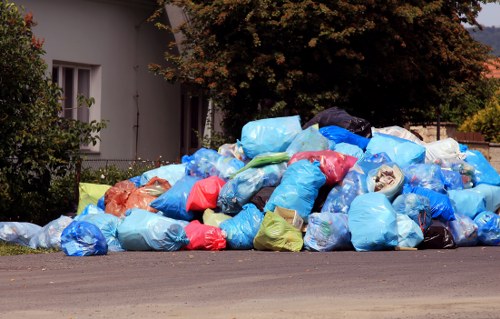
Behind every successful trash collection in London service is a system of planning and coordination. Vehicles must follow routes efficiently, crews need to understand local access restrictions, and waste must be transported safely to sorting or disposal facilities. In a city with narrow streets, heavy traffic, and varied property types, this is no small task.
Waste is often taken to transfer stations or material recovery facilities, where it is sorted into different categories. Recyclable materials may be separated for processing, while non-recyclable waste is sent for treatment or disposal. This behind-the-scenes work is what allows trash collection in London to support both convenience and sustainability.
The process also depends on timing. Missed collections, delayed pickups, or poor communication can quickly lead to overflowing bins and public complaints. That is why dependable trash collection in London services place a strong emphasis on punctuality, customer support, and operational efficiency.
What Makes a Strong Waste Collection Operation
A well-run system usually includes:
- Clear collection schedules
- Trained crews
- Appropriate vehicles and containers
- Efficient sorting and recycling procedures
- Compliance with local and national waste regulations
- Fast response for urgent or additional pickups
Trash collection in London is most effective when all of these elements work together. This helps reduce disruption, improve service quality, and maintain cleaner neighbourhoods across the capital.
Residential Trash Collection in London
Keeping Homes and Neighbourhoods Clean
For households, trash collection in London is part of daily life. Most residents rely on a combination of general waste bins, recycling bins, and occasional special collections. When managed properly, this system keeps streets tidy and helps homes avoid unpleasant buildup of waste.
Different boroughs may have different rules, collection days, and recycling requirements. This means residents need to stay informed about what can be placed in each bin and when it should be put out for pickup. Following local guidance makes trash collection in London smoother and helps improve recycling rates.
Household waste collection is especially important in densely populated areas, where shared bins and limited space can create challenges. Overflowing containers can quickly become a nuisance, so reliable scheduling and proper sorting are essential.
Common Household Waste Items
- Food packaging
- Paper and cardboard
- Glass bottles and jars
- Plastic containers
- General household rubbish
- Old clothing and textiles
- Small broken items
Residents can also benefit from additional services for unwanted furniture, white goods, or garden waste. These services are often used during spring cleaning, moving house, or after home improvement projects. In these situations, trash collection in London becomes more than routine—it becomes a practical solution for clearing space quickly and responsibly.
Commercial Trash Collection in London
Supporting Offices, Retail, Hospitality, and More
Businesses across London generate a wide variety of waste, and they need collection services that match their operational pace. Offices produce paper waste and packaging, retail stores generate packaging and returned items, and restaurants create food waste and disposable service materials. Each sector has different needs, and commercial trash collection in London is designed to meet them.
For business owners, reliable waste collection is more than a convenience. It helps maintain cleanliness, supports hygiene standards, and creates a professional environment for staff and customers. Delayed collections can affect operations, especially in sectors where waste accumulates quickly.
Commercial services often include tailored collection frequencies, bins of different sizes, recycling programs, and disposal support for bulky or unusual items. This flexibility is one of the biggest advantages of professional trash collection in London for businesses.
Why Businesses Choose Professional Waste Services
- Improved hygiene and presentation
- Predictable collection times
- Better recycling compliance
- Reduced risk of pest problems
- Flexible service options
- Support for special waste requirements
For many organizations, professional waste management also supports sustainability targets. By separating recyclables and reducing landfill waste, businesses can improve their environmental performance and demonstrate responsibility to customers and stakeholders.
Recycling and Sustainable Waste Practices
Helping London Move Toward a Circular Economy
Recycling is a major part of modern trash collection in London. Instead of sending everything to landfill, collection systems increasingly focus on recovering useful materials. This includes paper, cardboard, plastic, metals, glass, and organic waste. The more accurately waste is sorted, the more material can be reused or repurposed.
A strong recycling culture depends on public participation. Households and businesses both need to separate waste correctly so that collection teams can process it efficiently. When contamination is reduced, the recycling stream becomes more valuable and productive.
London’s waste collection network also supports broader sustainability goals by promoting reuse and resource recovery. In practical terms, that means trash collection in London is helping the city reduce environmental impact while managing waste in a smarter, more efficient way.
Simple Recycling Habits That Help
- Rinse containers before placing them in recycling bins
- Flatten cardboard to save space
- Keep food waste out of dry recycling
- Separate batteries and electronics for specialist collection
- Check local borough rules before disposing of items
Small everyday actions can make a big difference. By following proper sorting habits, residents and businesses help ensure that trash collection in London supports recycling rather than wasting recoverable resources.
Challenges Facing Trash Collection in London
Traffic, Density, and Waste Volume
Although trash collection in London is highly developed, it still faces serious challenges. One of the biggest is traffic congestion. With crowded roads and limited parking in many boroughs, collection vehicles must navigate difficult routes and time restrictions. This can slow operations and increase costs.
Population density is another challenge. London produces a huge volume of waste every day, and this waste must be collected quickly to avoid public health issues. In residential areas with shared bin stores or limited curb access, missed pickups can lead to overflowing waste and complaints from residents.
Seasonal demand also affects waste services. Events, holiday periods, and weather changes can increase the amount of rubbish generated in certain parts of the city. Trash collection in London must stay adaptable to meet these changes without sacrificing service quality.
Managing Illegal Dumping and Fly-Tipping
Illegal dumping remains a concern in many urban areas, including London. When people leave waste in unauthorized places, it creates safety risks, damages the environment, and adds pressure on collection teams. Preventing fly-tipping requires enforcement, awareness, and easy access to legitimate disposal options.
Reliable trash collection in London can help reduce these problems by making proper disposal more convenient. When collection options are clear, accessible, and affordable, people are less likely to choose illegal dumping as a shortcut.
Choosing the Right Trash Collection Service in London
What to Look for in a Provider
Whether you need household support, commercial pickups, or one-off clearances, choosing the right trash collection in London provider is important. A good service should be reliable, transparent, and suited to the type of waste you produce. It should also understand local requirements and offer practical scheduling options.
Before selecting a service, consider the amount of waste you generate, how often you need collection, and whether you require recycling support or specialist disposal. These factors help determine the most suitable arrangement for your home or business.
It is also worth checking whether the provider operates responsibly and follows environmental best practices. A quality trash collection in London service should prioritize efficient disposal, recycling where possible, and compliance with relevant regulations.
Questions to Ask Before Booking
- What types of waste do you collect?
- How often can collections be arranged?
- Do you provide recycling separation?
- Are bulky items and special waste accepted?
- How do you handle disposal and treatment?
- Do you offer one-off and recurring services?
Book your service now if you want a waste solution that saves time, reduces stress, and keeps your property clean. The right trash collection in London provider can make a noticeable difference in day-to-day convenience.
Best Practices for Better Waste Management
Making Trash Collection in London More Effective
Good waste management starts before collection day. Sorting rubbish properly, using the correct containers, and avoiding contamination all contribute to smoother trash collection in London. Simple habits at home or work can reduce problems and improve the efficiency of the entire system.
It also helps to stay aware of local schedules and collection rules. Put bins out on time, avoid overfilling them, and never block collection access. These small actions make a big difference for crews working under time pressure in busy parts of the city.
For businesses, waste audits can be useful. Reviewing the type and volume of waste generated can reveal opportunities to recycle more, reduce costs, and improve site cleanliness. In this way, trash collection in London becomes part of a larger strategy for efficiency and sustainability.
Practical Tips for Households and Businesses
- Reduce waste at the source where possible
- Reuse containers and packaging
- Sort recyclables carefully
- Schedule collections before waste builds up
- Use specialist services for bulky or hazardous items
- Encourage staff or family members to follow bin rules
The Future of Trash Collection in London
Innovation, Sustainability, and Smarter Systems
The future of trash collection in London is likely to be shaped by technology, sustainability targets, and changing urban needs. Smart bin monitoring, optimized routing, electric collection vehicles, and improved recycling systems are all becoming more important. These innovations can help reduce emissions, improve punctuality, and increase service quality.
As the city continues to grow, waste services will need to become even more efficient. This means better coordination between councils, contractors, residents, and businesses. It also means investing in systems that make recycling easier and reduce the amount of waste that ends up in landfill.
Ultimately, trash collection in London will continue to evolve as part of the city’s wider environmental and infrastructure goals. Cleaner streets, lower emissions, and higher recycling rates are all achievable when waste services are designed with both convenience and sustainability in mind.
Why This Matters for Everyone
Every household, office, shop, and public venue contributes to the city’s waste stream. That means everyone benefits when trash collection in London works well. Cleaner surroundings, fewer environmental problems, and more efficient disposal systems all support a healthier and more attractive city.
Contact us today to explore a waste solution that fits your needs, or book your service now to keep your property clean and your collection schedule on track. Whether you need regular support or a one-time pickup, professional trash collection in London can help you manage waste with confidence.
Conclusion: A Cleaner London Starts with Better Waste Collection
Trash collection in London is a crucial service that supports health, cleanliness, business operations, and sustainability. In a city as large and active as London, waste management must be reliable, flexible, and environmentally responsible. From residential bins to commercial pickups and recycling collections, each part of the system plays a role in keeping the capital running smoothly.
By understanding how trash collection in London works and choosing responsible disposal practices, residents and businesses can contribute to a more efficient and cleaner city. Whether you are managing household rubbish, office waste, or a larger clearance project, the right service makes all the difference.
As demand grows and environmental expectations rise, the importance of smart, well-organized trash collection in London will only increase. Making the right choice today helps create a cleaner tomorrow for everyone who lives, works, and travels through the city.