Commercial Waste Collection in London: Efficient, Compliant, and Sustainable Solutions for Modern Businesses
Commercial waste collection in London is more than a routine pickup service. For businesses across the capital, it is a practical requirement that helps maintain hygiene, improve workplace safety, support legal compliance, and strengthen environmental performance. Whether you manage a restaurant, office, retail shop, warehouse, hotel, healthcare facility, or construction site, the way your business handles waste can affect daily operations and long-term costs.
In a city as fast-moving as London, commercial waste collection needs to be reliable, flexible, and tailored to different industries. Companies generate a wide mix of waste streams, from cardboard and food waste to confidential paper, glass, plastics, metal, and bulky items. Choosing the right commercial waste collection in London helps businesses stay organised while reducing their environmental impact and avoiding unnecessary fines.
With growing pressure to improve recycling rates and meet environmental obligations, many organisations are reassessing how they manage business waste. This article explores the key aspects of commercial waste collection in London, including services, regulations, sustainability, pricing factors, and best practices for choosing the right provider.
Why Commercial Waste Collection Matters in London

Commercial waste collection in London plays a central role in keeping the city clean and businesses compliant. Every business produces waste, and without a structured collection plan, waste can quickly build up, create health hazards, and damage a company’s reputation. A professional waste collection service ensures that rubbish is removed on time, sorted correctly, and processed according to environmental standards.
For businesses in busy districts such as the City of London, Westminster, Camden, Southwark, and Canary Wharf, space is limited and foot traffic is high. Efficient waste collection prevents overflowing bins, reduces odours, and keeps entrances, staff areas, and customer-facing spaces presentable. This is especially important for businesses that operate daily or extended hours.
Reliable commercial waste collection in London also supports sustainability goals. More companies now want to divert waste from landfill, increase recycling, and reduce carbon emissions. By working with a professional service, businesses can improve segregation and ensure that recyclable materials are recovered whenever possible.
Types of Commercial Waste Collection Services

Different businesses require different waste solutions, and commercial waste collection in London is designed to cover a wide range of needs. The right service depends on the type of business, the volume of waste generated, and how often collection is needed.
Common service categories include:
- General commercial waste collection for mixed business rubbish
- Recycling collection for paper, cardboard, plastics, metals, and glass
- Food waste collection for restaurants, cafes, hotels, and catering businesses
- Confidential waste shredding for offices and professional services firms
- Bulky waste removal for furniture, shelving, and equipment
- Construction and demolition waste collection for builders and contractors
- Hazardous waste services for regulated materials requiring specialist handling
Many providers also offer tailored collection schedules, from daily pickups to weekly or fortnightly services. This flexibility is one of the main advantages of professional commercial waste collection in London, because it allows businesses to match collection frequency to real demand.
Who Needs Commercial Waste Collection in London?
Businesses Across Every Sector

Commercial waste collection in London is essential for nearly every business sector. Offices need regular collection for paper, packaging, and general waste. Retailers produce large amounts of cardboard, plastic wrapping, and damaged stock packaging. Hospitality venues require frequent food waste and glass collection, especially in high-volume areas.
Industrial businesses and warehouses may need skip-style collection for large volumes of packaging, pallets, and manufacturing waste. Construction companies often require scheduled removal of rubble, timber, plasterboard, and metal waste. Healthcare facilities and laboratories need secure and compliant disposal for controlled waste streams.
Even small businesses benefit from structured commercial waste collection in London. Start-ups, cafés, salons, and independent shops may produce less waste than larger organisations, but they still need dependable collection to stay clean, meet legal duties, and run efficiently. Every business that creates waste has responsibilities, regardless of size.
Legal Responsibilities for Business Waste
Understanding Duty of Care
In the UK, businesses have a legal duty of care when it comes to waste. This means companies must store, handle, and transfer waste responsibly. Commercial waste collection in London must therefore be carried out by a licensed and compliant provider. If waste is handed to an unauthorised collector, the business generating the waste could still be held responsible if it is fly-tipped or mishandled.
To remain compliant, businesses should ensure that their waste carrier is properly registered and that waste transfer notes are kept where required. Documentation should clearly describe the type of waste, who collected it, and where it was taken. This paperwork matters during inspections and helps demonstrate responsible management.
For companies operating in multiple locations, compliance becomes even more important. A coordinated commercial waste collection in London service can help maintain consistent standards across offices, branches, and sites. It also reduces the risk of legal issues caused by poor sorting or improper disposal. Compliance is not optional; it is part of responsible business management.
How Commercial Waste Collection in London Supports Sustainability

Sustainability is now a major concern for organisations of all sizes. Commercial waste collection in London helps businesses move toward greener operations by improving recycling, reducing landfill use, and supporting responsible treatment of waste streams. This has both environmental and reputational benefits.
When waste is collected through a professional service, materials can be sorted more effectively. Cardboard, metal, plastics, and glass can be separated for recycling instead of being mixed with general rubbish. Food waste can often be sent to anaerobic digestion facilities, where it is turned into energy and fertiliser. These processes reduce the environmental impact of waste disposal.
Businesses that prioritise sustainable commercial waste collection in London may also improve their standing with customers, employees, and investors. Many organisations now publish environmental targets and ESG commitments. A better waste strategy can support these goals while reducing the amount sent to landfill. Small improvements in waste handling can produce significant long-term benefits.
Commercial Waste Collection for Different Industries
Sector-Specific Requirements
Different industries generate different waste profiles, which means commercial waste collection in London must often be adapted to the sector. A one-size-fits-all approach rarely works well. The more tailored the service, the more efficient and cost-effective the waste management plan becomes.
Office environments usually need paper recycling, confidential shredding, and general waste collection. Retail businesses often need frequent cardboard removal, packaging disposal, and back-of-house bin management. Hospitality venues may require daily food waste collection, glass bins, and strict hygiene controls.
Construction and trade businesses need robust waste handling for bulky, heavy, and mixed building materials. Healthcare and laboratory settings may need specialist handling for clinical or hazardous waste. In each case, commercial waste collection in London should be arranged around the specific volumes, storage space, and regulatory needs of the business.
Typical industry priorities
- Fast removal of high-volume waste
- Clear segregation for recycling
- Safe storage and handling procedures
- Compliance with industry regulations
- Flexible collection times that reduce disruption
What Affects the Cost of Commercial Waste Collection in London?
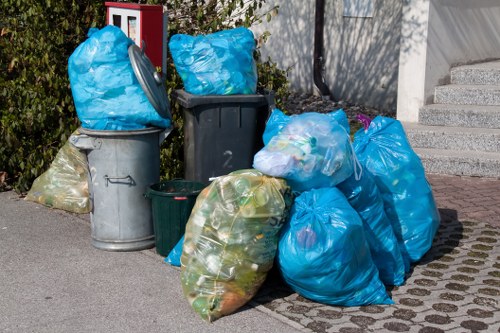
The cost of commercial waste collection in London can vary widely, depending on a range of practical factors. Businesses often look for affordable pricing, but the cheapest option is not always the best one. A service should offer value, reliability, and compliance alongside competitive rates.
Key pricing factors include waste volume, collection frequency, waste type, container size, and the distance between the business and the processing facility. Mixed waste is often more expensive to handle than segregated recyclables because it requires more sorting. Hazardous or specialist waste can also increase costs due to the need for trained staff and regulated treatment.
Some providers offer fixed contracts, while others charge based on usage or collection size. Businesses should review their waste output carefully before selecting a service. An oversized collection plan can lead to unnecessary costs, while an undersized one can create overflow and disruption. Accurate planning helps control expenses and improve service quality.
Choosing the Right Commercial Waste Collection Provider
What Businesses Should Look For
Selecting the right provider for commercial waste collection in London is an important decision. A good waste partner should be more than just a bin collector. They should understand your business, recommend suitable container options, and help you stay compliant and efficient over time.
When comparing providers, businesses should look for:
- Proper waste carrier licensing and compliance credentials
- Flexible pickup schedules
- Clear pricing and transparent invoicing
- Strong recycling and diversion-from-landfill performance
- Experience working with similar businesses or sectors
- Responsive customer support
- Support for waste audits and reduction planning
It is also worth asking how waste is processed after collection. Responsible commercial waste collection in London should prioritise recycling and traceability. A provider that can explain where waste goes and how much is recovered can help businesses make better environmental decisions.
Bin Types and Container Options
Matching Waste Storage to Business Needs
Commercial waste collection in London uses a variety of bin and container options to suit different properties and waste volumes. The right container helps keep premises tidy and ensures waste can be collected efficiently. Choosing the wrong size can create practical problems, from overflow to wasted space.
Common container options include wheelie bins, trade waste bins, large front-end loaders, skips, roll-on roll-off containers, and locked bins for secure waste storage. Businesses with limited space often prefer compact bins that fit discreetly in alleyways or service yards. High-volume generators may need larger containers or multiple bins for different waste streams.
Good bin planning improves collection efficiency and helps staff separate waste correctly. For example, a food venue may benefit from separate bins for food waste, glass, cardboard, and general rubbish. This approach can reduce contamination and improve recycling performance. The right container is a small detail that can make a big difference.
Waste Segregation and Recycling Best Practices
Reducing Contamination
One of the most effective ways to improve commercial waste collection in London is to separate waste properly at the source. Segregation reduces contamination, boosts recycling rates, and can lower disposal costs. When different materials are mixed together, recyclable items may become unusable and have to be treated as general waste.
Staff training is crucial in this area. If employees understand which items belong in each bin, they are more likely to sort waste correctly. Clear labels, colour-coded bins, and simple internal procedures can all help. Regular checks can also spot contamination early and prevent recurring problems.
Businesses should aim to separate at least the main waste streams: general waste, mixed recycling, cardboard, food waste, and specialist waste where applicable. A structured commercial waste collection in London provider can advise on the best segregation system for your premises and help introduce practical improvements over time.
Benefits of Scheduled Commercial Waste Collection
Consistency and Operational Control
Scheduled commercial waste collection in London offers clear operational advantages. Rather than waiting until bins are full or waste starts causing problems, businesses can rely on a set routine that keeps operations running smoothly. Predictable pickups reduce the risk of overflowing containers and make site management easier.
For customer-facing businesses, this consistency helps maintain a professional image. For workplaces with limited storage, scheduled collection avoids clutter in corridors, loading bays, and external yards. For busy sectors such as hospitality and retail, it also supports hygiene and pest prevention.
Another benefit is easier budgeting. With a scheduled commercial waste collection service, costs are easier to forecast and control. Businesses can plan around known collection days and review waste output more accurately. Routine collection is often the most practical option for busy London operations.
Common Challenges in Commercial Waste Collection in London
Space, Access, and Timing
London businesses often face unique waste challenges. Limited storage space is one of the biggest issues. Many premises do not have large yards or loading areas, which means bins must be placed carefully and collected on time. Access restrictions can also complicate pickup schedules, especially in central areas with traffic limitations or shared service entrances.
Another challenge is mixed waste contamination. If staff are busy or bins are not clearly labelled, recyclable materials may be placed in the wrong container. This can reduce recycling performance and increase costs. Some businesses also struggle with irregular waste volumes, especially during seasonal peaks or promotional events.
These issues can usually be resolved through better planning and the right commercial waste collection in London arrangement. A provider that understands local conditions can recommend suitable containers, realistic pickup times, and waste separation methods that fit the site. Effective waste management depends on planning as much as collection.
Why Local Knowledge Matters
London-Specific Waste Logistics
Commercial waste collection in London is not the same as waste collection in a smaller town or suburban area. Local knowledge matters because the capital has dense road networks, congestion zones, restricted access streets, and business districts with different operating patterns. A provider familiar with London can handle these complexities more efficiently.
Local expertise also helps with timing. Some businesses need early morning collection before customers arrive, while others need late-day pickups after trading hours. In some boroughs, waste storage rules or access restrictions affect how collections are arranged. A London-based service is more likely to understand these conditions and adapt accordingly.
In practical terms, local knowledge can improve reliability, reduce missed collections, and make commercial waste collection in London easier to manage. For businesses that depend on uninterrupted operations, this can be a major advantage. Choosing a provider with London experience often leads to smoother service delivery.
How to Improve Your Waste Strategy
Practical Steps for Businesses
Improving your waste strategy does not always require a major overhaul. Often, small changes can make a noticeable difference. Start by reviewing what your business throws away most often. This helps identify opportunities to reduce waste, recycle more, and streamline commercial waste collection in London.
Practical improvements include:
- Auditing waste to identify the main materials generated
- Reducing packaging where possible
- Training staff on segregation and recycling
- Using the right container size for each waste stream
- Reviewing collection frequency regularly
- Replacing disposable items with reusable alternatives where practical
Once these changes are in place, businesses often find that waste volumes become easier to manage and recycling improves. A professional commercial waste collection in London provider can support this process by recommending adjustments and helping monitor results over time.
The Role of Technology in Modern Waste Collection
Smarter Monitoring and Reporting
Technology is changing how commercial waste collection in London operates. Many providers now use digital systems to manage schedules, track collections, and generate reports. For businesses, this creates better visibility and more control over waste management performance.
Digital reporting can show how much waste was collected, what materials were recycled, and how performance changes over time. This is especially helpful for organisations with sustainability targets or internal reporting obligations. Smart scheduling can also reduce missed collections and improve route efficiency.
As the sector evolves, businesses are increasingly expecting more data from their waste provider. A modern commercial waste collection in London service should be able to offer simple, accurate information that helps with planning, budgeting, and environmental tracking. Visibility is becoming just as important as collection itself.
When to Review Your Waste Contract
Signs Your Current Service Needs Updating
Businesses should review commercial waste collection in London arrangements regularly, especially if operations change. If your company has expanded, reduced its office footprint, added new products, or changed opening hours, your current waste service may no longer fit your needs.
Signs that a review is needed include overflowing bins, unnecessary collection frequency, rising costs, contamination issues, or missed pickups. It may also be time to reassess if your recycling rate is low or staff struggle to follow the current system.
A good provider will help you adapt your service as your business changes. Commercial waste collection should evolve with the business, not hold it back. If your current setup is creating problems, it may be time to look for a better solution and book your service now.
Final Thoughts on Commercial Waste Collection in London
A Practical Investment for Every Business
Commercial waste collection in London is a practical, operational, and environmental priority for businesses of every size. It keeps premises clean, supports compliance, improves recycling, and helps companies operate efficiently in one of the busiest cities in the world. From small shops to large corporate sites, the right waste service makes daily life easier and more predictable.
With growing attention on sustainability and compliance, businesses can no longer treat waste as an afterthought. They need a reliable system, a responsible provider, and a plan that reflects their actual waste output. Choosing a well-structured commercial waste collection in London service can reduce stress, save time, and improve performance across the board.
If your business is ready to improve its waste management approach, contact us today and explore a service that fits your needs. The right commercial waste collection in London solution can help your organisation stay clean, compliant, and ready for the future.