Garbage Collection in London: A Practical Look at Waste Removal, Recycling, and Responsible Disposal
Garbage collection in London is a vital part of keeping the city clean, safe, and functioning smoothly. With millions of residents, busy commercial districts, and constant construction and renovation work, London generates a huge volume of waste every single day. From household rubbish and food waste to bulky items, garden waste, office clear-outs, and construction debris, effective garbage collection in London supports public health, environmental goals, and day-to-day convenience for homes and businesses alike.
Whether you are a homeowner trying to remove accumulated rubbish, a landlord preparing a property for new tenants, or a business manager dealing with regular commercial waste, understanding how garbage collection in London works can save time, reduce costs, and help you make better disposal choices. Proper waste collection is not just about taking things away; it is about sorting materials responsibly, reducing landfill use, and complying with local regulations.
In a city as large and diverse as London, there is no single approach to waste removal that fits everyone. Public collections, private rubbish removal, recycling services, skip hire, and specialist disposal options all play an important role. This article explores the main aspects of garbage collection in London, including service types, recycling expectations, legal responsibilities, environmental benefits, and practical tips for choosing the right solution.
Understanding Garbage Collection in London
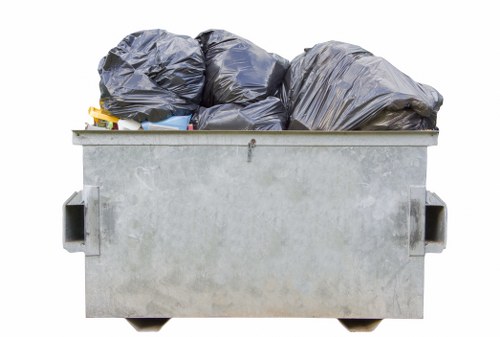
Garbage collection in London is coordinated through a mix of borough-run municipal services and private waste management providers. Local councils are generally responsible for collecting household waste, recycling, and garden waste in residential areas, while businesses often arrange their own commercial collection contracts. In addition, private rubbish removal companies help with same-day clearances, bulky waste collection, and urgent waste disposal needs.
The system is designed to keep the city moving efficiently. Because London is so densely populated, waste has to be collected regularly and handled with care. Missed collections, incorrect sorting, or illegal dumping can quickly affect neighbourhood cleanliness and public health. That is why garbage collection in London includes not only collection vehicles and crews, but also transfer stations, sorting facilities, recycling centres, and disposal networks.
One important point to remember is that different boroughs may have different collection schedules, accepted materials, and rules for contamination. This means residents should check local guidance before placing bins out or arranging specialist removal. For businesses, it is even more important to understand duty-of-care responsibilities and ensure waste is handled by licensed operators.
Why Garbage Collection in London Matters
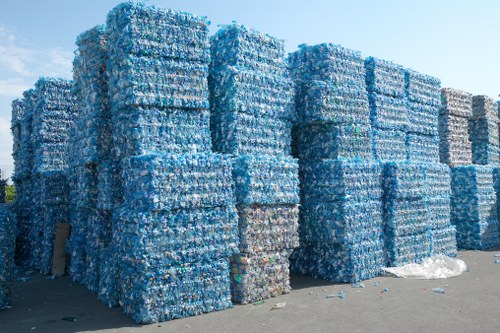
Garbage collection in London is essential for more than just appearance. It protects health, supports sustainability, and helps the city function efficiently. Waste left uncollected can attract pests, create bad odours, block pavements, and contribute to pollution. In crowded urban environments, these problems can spread quickly if collections are delayed or poorly managed.
Another key reason garbage collection in London matters is the city’s environmental footprint. London produces enormous amounts of waste, and every ton that can be recycled, reused, or diverted from landfill makes a meaningful difference. Effective waste collection systems reduce greenhouse gas emissions, conserve raw materials, and support a circular economy where products and materials remain in use for longer.
There is also a social and economic benefit. Clean streets and well-managed waste services support tourism, improve quality of life, and make neighbourhoods more attractive for investment. In a city where space is valuable and time is limited, efficient garbage collection is not a luxury; it is an everyday necessity.
Types of Waste Collected Across London

Garbage collection in London covers a wide variety of waste streams. Knowing the difference between them helps residents and businesses sort correctly and avoid penalties or service delays. The most common types include household waste, recycling, food waste, garden waste, bulky items, and commercial waste. Some providers also handle specialist items such as electricals, metals, wood, and construction debris.
Household rubbish
This includes general non-recyclable waste such as packaging that cannot be recycled, broken household items, and everyday refuse. It is usually collected in black bags or general waste bins depending on borough rules.
Recycling
Recycling collections may include paper, cardboard, plastic, glass, cans, and other materials depending on local systems. Proper separation is important because contamination can cause entire loads to be rejected.
Food waste
Many parts of London now encourage or require food waste separation. This helps reduce landfill and allows organic material to be processed into compost or energy.
Bulky waste
Items like sofas, mattresses, wardrobes, and broken appliances may need special collection. Some councils offer booked bulky waste pickups, while private companies provide faster removal options.
- General household waste
- Mixed recycling
- Organic and food waste
- Garden cuttings and green waste
- Electrical and electronic waste
- Commercial and office rubbish
- Construction and renovation debris
How Council Garbage Collection in London Works

Most households in London rely on borough council services for regular garbage collection in London. Councils typically provide bins or sacks for specific waste streams and operate weekly or fortnightly collections. The exact schedule depends on the borough and the type of waste being collected. Some areas have alternating recycling and general rubbish days, while others collect food waste separately.
Residents are usually expected to place waste out by a certain time on collection day, keep bins accessible, and follow rules about what can and cannot be included. Councils may refuse collections if bins contain prohibited items, are overfilled, or have been contaminated with the wrong materials. In some boroughs, repeated issues can lead to warnings or enforcement action.
For many people, the council system is the most affordable option because it is funded through local taxation. However, it may not always be the fastest or most flexible solution. If you need urgent waste removal, have a large volume of rubbish, or are managing a property clearance, a private service may be more suitable. Understanding the strengths of each option helps you choose the right form of garbage collection in London for your situation.
Private Garbage Collection Services in London

Private garbage collection in London is widely used by households, landlords, estate agents, offices, shops, and construction firms. These services are often faster and more flexible than council collections, making them ideal for one-off clearances or time-sensitive projects. Private operators can collect rubbish from inside a property, a garden, an office floor, or a building site, then sort and dispose of it at authorised facilities.
Common services include same-day rubbish removal, furniture disposal, office waste clearance, builders’ waste collection, and scheduled commercial collections. Many companies also offer labor-inclusive services, meaning crews will load waste for you. This is especially helpful for heavy items, loft clearances, and situations where access is difficult.
When choosing a private provider for garbage collection in London, it is important to check licensing, insurance, and recycling practices. A reliable company should be able to explain where the waste goes, how much is recycled, and whether they work with authorised transfer stations. Choosing responsibly is not only safer, but also better for the environment and your peace of mind.
Benefits of private collection
- Fast response times
- Flexible booking options
- Suitable for large or unusual loads
- Labor included in many cases
- Useful for commercial and residential needs
Recycling and Sustainability in Garbage Collection in London
Recycling is now a central part of garbage collection in London. The city has made major efforts to improve recycling rates, reduce landfill dependency, and encourage residents to separate waste correctly. Recycling helps conserve resources by turning used materials into new products, which lowers the need for raw extraction and reduces environmental damage.
Effective garbage collection in London depends heavily on public participation. If residents place the wrong materials in recycling bins, the entire batch can become contaminated. For this reason, boroughs and private providers often emphasise clear sorting rules. Common recyclable items usually include cardboard, clean paper, bottles, cans, and certain plastics, though this varies by area.
Businesses also play a major role in sustainability. Offices can reduce waste by using digital systems, reusing supplies, and arranging separate collection streams for paper, cardboard, and confidential waste. Shops and hospitality businesses can minimise food waste through better planning and partnerships with food redistribution services. Sustainable waste management is increasingly seen as both a legal responsibility and a smart business practice.
Practical recycling habits
- Rinse containers lightly before recycling them.
- Keep food waste out of dry recycling bins.
- Flatten cardboard to save space.
- Separate batteries and electronics for specialist disposal.
- Check local council rules before placing items out.
Commercial Garbage Collection in London
Commercial garbage collection in London is a major sector because the city has countless offices, retail spaces, restaurants, warehouses, hotels, and construction sites that generate regular waste. Businesses are legally responsible for ensuring their waste is stored, transported, and disposed of correctly. This is known as a duty of care, and it applies to all commercial waste producers.
Unlike household rubbish, business waste usually requires a formal collection contract or licensed carrier arrangement. Collection frequency can vary from daily to weekly depending on the amount and type of waste generated. Restaurants may need frequent food waste pickups, offices may need regular paper and mixed waste removal, and building sites may need ongoing debris collection.
Commercial garbage collection in London often includes recycling audits, waste segregation systems, and reporting tools. These help companies reduce costs and demonstrate environmental performance. For many businesses, better waste management also means a cleaner workspace, improved compliance, and stronger operational efficiency.
Typical commercial waste streams
- Paper and cardboard
- Packaging waste
- Food and organic waste
- Office furniture and equipment
- Mixed general waste
- Construction and fit-out waste
Bulky Waste, Clearance Jobs, and Special Collections
Not all waste can fit into a standard bin. That is why garbage collection in London often includes special collections for bulky items and unusual loads. These services are useful during house moves, refurbishments, bereavement clearances, tenant turnovers, and large decluttering projects. They can also help when large items have been left behind or when furniture needs to be removed quickly.
Bulky waste collection may cover beds, wardrobes, sofas, tables, broken white goods, and exercise equipment. Some councils allow residents to book a limited number of bulky items for an additional fee, while private companies can handle larger clearances at short notice. In addition, special collections may be available for hazardous items, electrical equipment, or materials that require careful handling.
It is important to separate items in advance if possible. This can make the process faster and sometimes cheaper. For example, keeping recyclables, reusable items, and disposal-only waste apart may allow a provider to divert more material from landfill. Responsible sorting can make a noticeable difference in both cost and environmental impact.
Legal and Environmental Considerations
Garbage collection in London is governed by a mixture of local rules, national waste regulations, and environmental standards. Residents and businesses should never use illegal dumping services or hand waste to unlicensed operators. If waste is fly-tipped or handled improperly, the original producer can still face consequences if duty-of-care rules were not followed.
Fly-tipping remains a persistent issue in parts of London, especially where people try to avoid disposal fees. This creates financial strain for councils, harms communities, and damages the environment. Using authorised garbage collection in London services helps reduce this problem and ensures waste goes to approved facilities.
Environmental concerns are also shaping the future of waste services. More electric collection vehicles, improved recycling systems, better sorting technologies, and increased emphasis on reuse are all changing how garbage collection in London operates. These developments reflect a broader push toward cleaner transport, lower emissions, and reduced landfill use.
- Always verify a waste carrier licence
- Keep transfer notes or receipts for business waste
- Avoid overfilling containers
- Store waste securely until collection
- Separate hazardous or specialist items
Choosing the Right Garbage Collection Option in London
Choosing the right garbage collection in London depends on several factors, including the type of waste, the amount of material, the urgency of removal, and your budget. A small household clean-up may only require a council bin collection, while a business refurbishment may need a dedicated clearance team and recycling plan.
Here are some useful questions to ask before booking any waste service:
- What type of waste do I need collected?
- How much waste is involved?
- Do I need same-day or scheduled service?
- Is the provider licensed and insured?
- How much of the waste will be recycled?
- Are there extra charges for heavy lifting or access issues?
If you are comparing providers, look at service reliability, recycling commitment, customer support, and whether the pricing is transparent. A cheaper quote is not always the best value if the company fails to sort waste properly or uses unapproved disposal routes. Quality, compliance, and sustainability should all matter when selecting a garbage collection partner in London.
Tips for Households and Businesses
Good waste habits make garbage collection in London easier and more efficient for everyone. Households can reduce waste by buying less packaging, reusing containers, composting food scraps where possible, and placing items in the correct bins. Businesses can train staff on sorting rules, review purchasing habits, and reduce unnecessary single-use materials.
For homes, a simple routine can make a big difference:
- Break down cardboard boxes before collection day
- Keep bins in an accessible location
- Do not place prohibited items in regular bins
- Book bulky waste early if needed
- Use local recycling points for specialist materials
For businesses, it helps to audit waste regularly and identify where savings are possible. Better storage systems, clearer signage, and staff awareness can improve recycling rates and lower disposal costs. Garbage collection in London becomes more effective when people take a proactive approach.
The Future of Garbage Collection in London
Garbage collection in London is continuing to evolve as the city responds to population growth, climate targets, and changing consumer habits. Future improvements are likely to include smarter collection scheduling, more advanced recycling technologies, increased reuse schemes, and stronger efforts to cut contamination in recycling streams. Digital tools may also help households and businesses manage waste more efficiently.
There is growing interest in circular economy models, where materials are repaired, refurbished, or reused instead of being thrown away. This shift can reduce pressure on landfill sites and help London move toward more sustainable waste management. Meanwhile, public awareness campaigns and improved infrastructure will continue to play a key role in supporting better collection outcomes.
For residents and businesses, the message is clear: responsible garbage collection in London is a shared effort. Councils, private operators, and the public all have a role to play. When each part of the system works well, the result is cleaner streets, healthier communities, and a more sustainable city for the future.
Why the future matters
As disposal costs rise and environmental rules become stricter, people who understand their waste options will be better prepared. Whether you need a one-off clearance or ongoing collection support, making informed choices now can save time and resources later.
Contact us today to arrange a service that suits your waste needs, or book your service now if you are ready to clear rubbish quickly and responsibly.