Council Rubbish Collection in London: What Residents Need to Know
Understanding Council Rubbish Collection in London
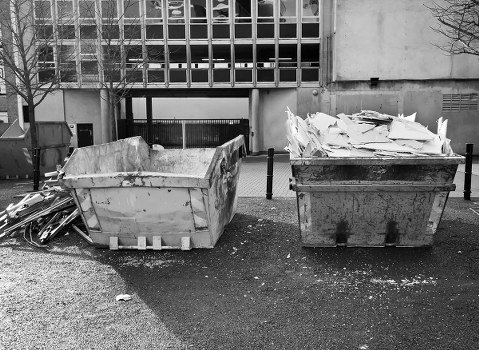
Council rubbish collection in London is one of the most essential local services for households, landlords, tenants, and businesses that produce domestic waste. Across the capital, borough councils manage the collection of everyday rubbish, recycling, food waste, and bulky items, helping keep streets cleaner and communities healthier.
While the system is designed to be straightforward, the reality can feel different from one borough to another. Collection days, recycling rules, bin sizes, garden waste arrangements, and missed-collection procedures can all vary. That is why many residents search for reliable information about council rubbish collection London services before putting bins out or arranging special waste removal.
Whether you live in a flat in inner London or a family home in outer boroughs, understanding how council waste collection works can save you time, prevent fines, and make your household routine smoother. It can also help you reduce waste, separate recyclables correctly, and decide when you may need extra rubbish removal support beyond the regular council service.
How Council Rubbish Collection in London Works

In most parts of London, the local borough council is responsible for collecting household waste from homes on scheduled days. This usually includes general waste, mixed recycling, food waste, and in some areas, garden waste. The exact service depends on where you live, because London is made up of many councils rather than one central waste authority.
For residents, the process is usually simple: place the correct bin or bag at the agreed collection point before the scheduled time, and the council team collects it on the designated day. However, successful council rubbish collection in London depends on following local instructions carefully, because many boroughs have specific rules about bin storage, contamination, and acceptable materials.
Some boroughs provide wheeled bins, while others still rely on sacks, communal bins, or shared collection systems for apartment blocks. In high-density areas, council waste collection may also include communal recycling points or shared food waste containers. Knowing which system applies to your property is the first step to managing waste correctly and avoiding missed pickups.
Common Types of Waste Collected by Councils
Most London councils collect a standard range of domestic waste streams. These often include:
- General household rubbish such as non-recyclable packaging, hygiene products, and dirty materials
- Recycling including paper, cardboard, glass, cans, and certain plastics
- Food waste in separate caddies or bins in participating boroughs
- Garden waste in selected boroughs or through paid subscription services
- Bulky waste through special collection appointments or paid services
It is important to separate items correctly. A bin full of contaminated recycling can lead to the whole load being rejected, which affects the efficiency of council rubbish collection London residents depend on every week. Councils often publish detailed recycling rules, and these should be checked regularly because accepted materials can change over time.
Householders should also remember that some items are not accepted in normal council collections. These typically include construction debris, asbestos, large electrical appliances in some cases, chemicals, gas bottles, and clinical waste. For these items, residents usually need a special disposal method or a licensed waste service.
Why London Boroughs Differ So Much
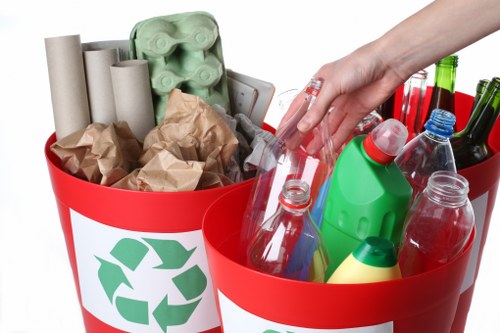
One of the most confusing things about council rubbish collection in London is that each borough sets its own rules. This means that what is accepted in Camden may differ from what is accepted in Croydon, and a recycling requirement in Hackney might not be identical in Hounslow. These local differences reflect the borough-based structure of waste management across the city.
Local councils have different budgets, property layouts, collection vehicles, recycling contracts, and environmental priorities. As a result, the format of council rubbish collection in London can range from door-to-door bin pickups to communal bin stores and scheduled sack collections. Some boroughs also collect garden waste as part of the standard service, while others charge an annual fee for it.
For residents, this makes local information essential. Checking your borough council website is the best way to confirm your collection day, bin rules, and holiday changes. If you move home within London, never assume that the service works the same way as your previous address. A quick check can prevent overflowing bins, missed recycling, and unnecessary frustration.
Examples of borough-level differences
- Different bin colours for recycling and residual waste
- Different collection frequencies for rubbish and recycling
- Different rules for glass, food waste, and textiles
- Different bulky waste booking systems
- Different charges for garden waste collections
Preparing Waste for Council Collection
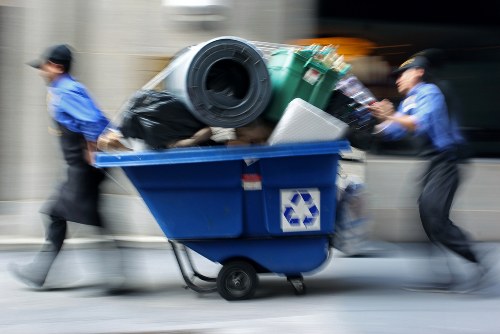
Proper preparation is a major part of making council rubbish collection London run smoothly. Councils can only collect waste efficiently when it is sorted, bagged, and presented in the correct way. Simple preparation steps can also reduce odours, prevent pests, and keep pavements cleaner for neighbours.
For general waste, use the correct bin and avoid overfilling it. Lids should close properly, because bins that are overflowing or too heavy may not be collected. For recycling, rinse containers if required and avoid placing food-stained items into the recycling stream. For food waste, use the council-provided liners or recommended bags where applicable, as these help with hygiene and composting processes.
It is also wise to flatten cardboard, bundle long items neatly, and store bins where they are easy to move on collection day. If you share a property or live in a block of flats, communal areas should remain clear so the collection team can access bins safely. Good preparation shows respect for the neighbourhood and improves the effectiveness of council rubbish collection in London.
Top tips for better bin presentation
- Put bins out after the local permitted time and before collection day deadlines
- Keep lids closed and do not overfill containers
- Separate recycling items according to borough instructions
- Break down bulky cardboard boxes before disposal
- Do not leave waste on top of or beside bins unless the council permits it
Missed Collections and What to Do Next

Even with a reliable system, missed collections can happen. Bins may not be emptied because they were put out too late, contaminated, blocked by parked vehicles, or incorrectly sorted. Sometimes a genuine service failure occurs, and in those cases residents need to report the issue quickly to the council.
If your council rubbish collection in London was missed, check whether your neighbours were collected first. That can help you determine if the issue is property-specific or area-wide. Then review the council’s missed-collection policy, because many boroughs have a limited reporting window, often requiring residents to submit a request within a certain number of hours or by the next working day.
It is also helpful to take a quick photo of the bin if it has not been collected, especially if the council asks for proof. However, if the bin was contaminated, overfull, or inaccessible, the council may not return immediately. In that situation, the resident may need to correct the issue and wait for the next scheduled service.
When missed collections become frequent, it may indicate a deeper problem such as access restrictions, inadequate storage space, or the need for a more suitable waste solution. In densely populated parts of London, this is a common issue, especially in older buildings where space for bins is limited.
Bulky Waste and Special Collections
Regular council bins are not intended for large household items. Sofas, mattresses, wardrobes, fridges, and broken white goods usually need bulky waste collection or a separate disposal arrangement. Most London councils offer a special booking service for these items, though the cost, waiting time, and item limits differ by borough.
For residents clearing out a property, downsizing, or replacing furniture, special collections can be convenient. They reduce the need to hire a vehicle or transport waste to a recycling centre. Still, bulky collections are not always the fastest option, and booking slots can be limited during busy periods. That is why some people choose an alternative removal service when they need a quicker turnaround.
Special collections also support safer disposal. Large items should not be left on the street without approval, because fly-tipping can result in penalties. Whether you are managing a single sofa or an entire room of old furnishings, using the proper route helps keep council rubbish collection in London efficient and compliant.
Typical items needing special disposal
- Mattresses and bed frames
- Wardrobes and shelving units
- Fridges, freezers, and washing machines
- Large carpets and rugs
- Broken tables, chairs, and sofas
Recycling Rules in London Boroughs
Recycling is a central part of modern council rubbish collection London services. The goal is to reduce landfill use, recover valuable materials, and lower the environmental impact of household waste. Yet recycling rules can be surprisingly detailed, and not following them may lead to contamination or rejected loads.
Many councils accept paper, cardboard, cans, tins, certain plastics, and glass. Others have additional systems for small electrical items, textiles, or garden waste. Some boroughs require residents to separate recycling into multiple containers, while others use co-mingled collections. There may also be limits on what types of plastic are accepted, especially for soft plastics, black plastic, and composite packaging.
To make the process easier, keep a small reference list in your kitchen or utility room. This can help everyone in the household know where each item belongs. Better recycling habits improve the success of council rubbish collection in London and support a cleaner city overall.
Useful recycling habits
- Rinse food containers before recycling when instructed
- Remove loose food residue and liquid
- Keep non-recyclable plastics out of recycling bins
- Flatten cardboard to save space
- Check local council updates for seasonal changes
Council Collections for Flats and Shared Buildings
Flats and shared developments present special challenges for waste management. Unlike houses with individual bins at the kerbside, flats often rely on communal storage areas, shared bin rooms, or access-controlled waste enclosures. This can make council rubbish collection in London more complex, especially where residents are numerous or turnover is high.
In these buildings, the main issues tend to be contamination, overflow, and poor access. If one resident uses the wrong bin, the whole communal recycling load can be affected. If bins are not returned properly, the collection team may struggle to remove them safely. Clear signage, resident communication, and regular bin-room checks all help improve the system.
Landlords, managing agents, and freeholders should ensure the property has adequate waste capacity and that collections are aligned with occupancy levels. For busy blocks, a standard household collection may not be enough. In some cases, supplementary waste removal services are needed to support the council schedule and keep shared spaces tidy.
Challenges commonly seen in flats
- Overflowing communal bins after holiday periods
- Incorrect items left beside bins
- Unclear signage about recycling rules
- Insufficient bin storage for the number of residents
- Access problems for collection crews
Garden Waste in London
Garden waste collections vary widely across the capital. Some boroughs include them as part of the service, while others offer a subscription model or seasonal pickup arrangements. Residents with lawns, hedges, leaves, and prunings should check whether they can use the council’s green waste service or whether they need another solution.
Garden waste is often collected in special bins or reusable sacks. The contents are usually restricted to plant material such as grass cuttings, leaves, twigs, and small branches. Soil, stones, large tree trunks, and treated wood are commonly excluded. Following these rules is essential, because garden waste contamination can interfere with composting or green processing.
For households doing regular gardening, a dedicated service can be worthwhile. It saves repeated trips to the local reuse and recycling centre and makes council rubbish collection London routines easier to manage throughout the year. In spring and autumn, when waste volumes rise, a planned collection system becomes especially valuable.
When Council Collection Is Not Enough
There are times when the council service is simply not the best fit. House clearances, refurbishments, end-of-tenancy clear-outs, garden overhauls, and large-scale decluttering projects often create far more waste than normal bin collections can handle. In these situations, a council collection may be too slow, too limited, or too restrictive.
This is where alternative removal support becomes useful. A licensed waste team can remove mixed rubbish, bulky items, and non-standard waste on a schedule that suits the resident. For people working to a deadline, such as moving out of a property or preparing for renovation, this can be far more practical than waiting for the next available borough appointment.
Choosing the right route is about efficiency and compliance. The council service is ideal for routine household waste, but if the job is larger, a separate collection can save time and reduce stress. Many London households use both systems together: the council for day-to-day waste, and extra removal support for bigger projects.
Situations where extra help may be needed
- End-of-tenancy clear-outs
- Office or home refurbishments
- Large furniture disposal
- Garage, loft, or shed clearances
- Garden redesign projects
Benefits of Using the Council Service Properly
When used correctly, council rubbish collection in London offers clear benefits. It is usually included in local taxes, easy to access, and designed to support recycling and environmental targets. For most households, it is the simplest way to keep on top of everyday waste without needing to arrange separate disposal every week.
Proper use of the service also contributes to cleaner streets, fewer pests, and better public health. Overflowing bins and abandoned waste can attract vermin, create odours, and reduce the visual appeal of neighbourhoods. By following the rules and putting items out correctly, residents help the entire community.
There is also a financial benefit. Using the council system for routine waste can reduce the need for unnecessary private disposal, while still allowing residents to book extra services only when they genuinely need them. It is a practical balance between convenience, compliance, and cost control.
Key advantages at a glance
- Regular, scheduled household waste removal
- Recycling support and environmental benefits
- Less street clutter and fewer fly-tipping risks
- Suitable for routine domestic waste
- Easy integration with household recycling habits
How to Stay Updated with Local Collection Changes
Waste collection schedules can change because of bank holidays, severe weather, route adjustments, or council service updates. Residents should check their borough’s website or waste calendar regularly to stay informed. Many councils also provide email alerts or online bin-day lookup tools, which make it easier to stay organised.
This matters because even a small change in timing can affect whether your waste is collected. For example, putting bins out on the wrong day may result in a missed pickup or a complaint from neighbours. Staying informed is especially important in busy areas where space is limited and collections happen quickly.
It is also wise to review local service changes every few months. Boroughs may update accepted materials, introduce new recycling schemes, or change the rules for garden waste and bulky waste appointments. Keeping up with these changes ensures that your council rubbish collection London routine remains smooth and compliant.
Practical Advice for Households Across London
Good waste habits make a noticeable difference, especially in a large city. Simple actions such as sorting recyclables properly, not overfilling bins, and storing waste securely can prevent many common collection problems. These habits also improve the overall experience of council rubbish collection in London for everyone on the street.
Households should also think about waste reduction before collection day arrives. Reusing containers, donating unwanted items, repairing furniture, and buying products with less packaging can all reduce the amount of rubbish produced. Less waste means easier bin management and fewer collection issues.
For families, landlords, and property managers, creating a household waste routine is often the best solution. A routine can include checking collection days, separating recycling immediately, and keeping a small area for bagged waste until bin day. When waste is managed consistently, the council system works much better.
Book your service now if your property has waste that does not fit normal council schedules, or contact us today to arrange an efficient removal option for larger clear-outs. Using the right service at the right time keeps your property clean and stress-free.
Final Thoughts on Council Rubbish Collection in London
Council rubbish collection in London remains the backbone of household waste management across the capital. It supports routine disposal, recycling, and general cleanliness in homes and neighbourhoods. However, because each borough operates differently, residents benefit from knowing their local rules and preparing waste properly.
From missed collections and bulky items to recycling rules and communal bin systems, there are many details to consider. Once you understand how the service works, it becomes far easier to use it effectively and avoid common problems. For standard household waste, the council service is essential. For larger, urgent, or non-standard waste jobs, an additional removal option may be the smarter choice.
If you want a cleaner, more organised property and a simpler waste routine, stay updated with local rules, use the correct bins, and choose the right collection method for each situation. Whether you are dealing with everyday rubbish or a bigger clear-out, the right approach will save time, protect your property, and support a better London environment.