Commercial Waste Disposal in London
Commercial waste disposal in London is a critical service for businesses of every size, from small offices and retail units to restaurants, warehouses, and large corporate sites. In a city as busy, regulated, and environmentally conscious as London, managing waste correctly is not just about keeping premises tidy. It is about compliance, efficiency, public health, brand reputation, and sustainability.
Whether you generate office paper, packaging, food waste, construction debris, or mixed commercial rubbish, the right waste management approach can reduce costs and support your environmental goals. Businesses across the capital are expected to follow strict disposal rules, separate recyclable materials, and use licensed carriers for the safe removal of their waste.
In this article, we explore the essentials of commercial waste disposal in London, why it matters, what types of waste businesses produce, how the process works, and how to choose a service that fits your operational needs. If you are looking for a smarter way to handle business waste, this article will help you make informed decisions and improve day-to-day operations.
Why Commercial Waste Disposal Matters in London

Commercial waste disposal in London has become more important than ever because of the city’s size, density, and environmental targets. Businesses that ignore proper disposal practices can face fines, reputational damage, and unnecessary disruption. On the other hand, those that invest in reliable waste collection often benefit from cleaner premises, better workflow, and stronger compliance.
London businesses also operate under a growing expectation to reduce landfill use and improve recycling performance. From local borough requirements to national environmental regulations, companies are encouraged to treat waste as a managed resource rather than a simple by-product. This shift affects everything from office clear-outs to large-scale industrial operations.
Proper commercial waste disposal in London helps businesses:
- Maintain compliance with waste legislation
- Reduce environmental impact
- Improve workplace hygiene and safety
- Streamline storage and collection processes
- Avoid costly penalties and enforcement issues
What Counts as Commercial Waste?

Commercial waste is any waste produced by a business, trade, or commercial activity. This includes rubbish created by offices, shops, hotels, healthcare sites, schools, construction firms, hospitality venues, warehouses, and factories. In practical terms, if the waste is generated as part of a business operation, it is usually classified as commercial waste rather than household waste.
There are many different categories of commercial waste disposal in London, and each one may require a specific handling method. Some materials are suitable for recycling, while others need special treatment due to contamination, volume, or safety concerns. Understanding the type of waste you produce is the first step toward choosing an appropriate collection solution.
Common examples include:
- Paper and cardboard
- Office furniture and fittings
- Food waste
- Plastic packaging
- Glass and metal containers
- Electrical items and e-waste
- General mixed business rubbish
- Construction and renovation debris
Different Business Sectors, Different Waste Streams
Each industry generates waste in a different way. A retail store may need frequent packaging removal, while a restaurant may focus on food waste and oils. Offices often produce large volumes of paper, confidential documents, and old IT equipment. Construction sites, meanwhile, may need heavy-duty skips and more frequent collections. That is why commercial waste disposal in London is rarely one-size-fits-all.
Understanding the Legal Requirements
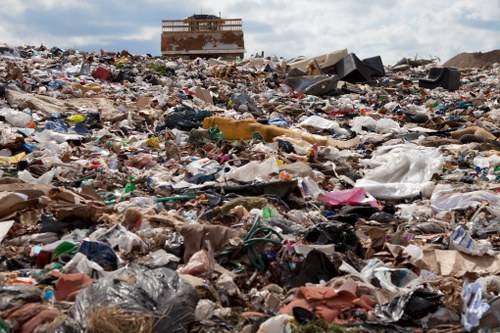
Businesses in London must comply with waste regulations that govern storage, transfer, transport, and disposal. Using a licensed waste carrier is essential, and businesses have a duty of care to ensure their waste is handled properly from the point of collection to final treatment. This means you cannot simply hand waste to an unverified provider and assume the job is done.
Duty of care applies to every business producing commercial rubbish. You are expected to take reasonable steps to ensure your waste does not end up fly-tipped, illegally dumped, or mixed with incompatible materials. Keeping records, checking paperwork, and confirming the credentials of your waste provider are all part of responsible waste management.
To stay compliant, businesses should usually:
- Store waste securely on site
- Use approved containers or bins
- Separate recyclable and hazardous materials where possible
- Work only with licensed waste carriers
- Retain waste transfer notes and related records
Why Compliance Should Never Be Ignored
Non-compliance can lead to inspections, penalties, and operational setbacks. More importantly, it can damage your reputation with customers, landlords, and regulators. In a city where sustainability and corporate responsibility are increasingly scrutinised, commercial waste disposal in London must be treated as a core business process rather than an afterthought.
Types of Commercial Waste Collection Services
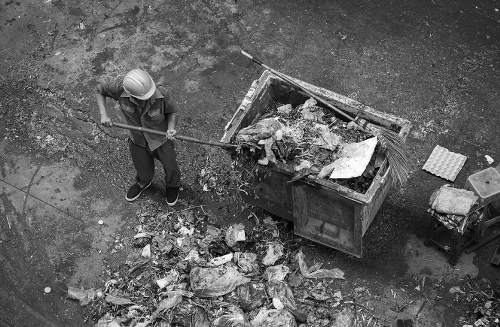
There are several ways businesses can arrange commercial waste disposal in London, depending on how much waste they produce and how often they need it removed. The right choice depends on volume, waste type, site access, and the level of flexibility your business requires.
Some of the most common service options include scheduled collections, on-demand removals, one-off clearances, and specialist waste handling. Many providers offer tailored plans so businesses can avoid paying for services they do not need while still maintaining efficient disposal routines.
Popular service types include:
- Scheduled bin collections: Ideal for businesses with consistent waste output
- One-off clearances: Useful for office moves, refurbishments, or seasonal clean-outs
- Skip hire: Suitable for construction, fit-outs, and larger-scale projects
- Roll-on roll-off containers: Best for high-volume waste streams
- Specialist collections: For electronics, confidential waste, hazardous materials, and food waste
Choosing the Right Collection Frequency
If collections are too infrequent, waste can accumulate and create hygiene or fire risks. If they are too frequent, you may be paying more than necessary. Effective commercial waste disposal in London usually starts with an audit of how much waste your business produces over a typical week or month. From there, the collection schedule can be matched to actual demand.
Recycling and Sustainability in London
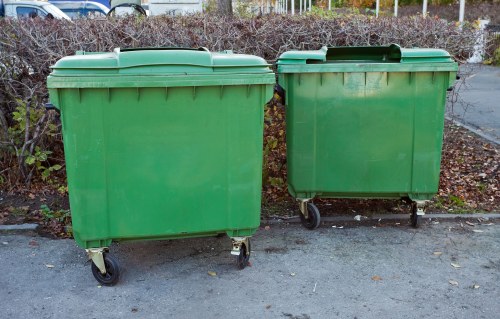
Recycling is a major part of modern commercial waste disposal in London, and many businesses are actively trying to reduce the amount of waste they send to landfill. Separating recyclable materials at the source is one of the simplest and most effective ways to improve sustainability while potentially lowering disposal costs.
London’s environmental priorities encourage businesses to adopt greener waste systems. This often includes segregated bins for paper, cardboard, plastics, metals, food waste, and general rubbish. When materials are sorted properly, they are easier to recover, process, and reintroduce into the supply chain.
Key benefits of better recycling practices:
- Lower landfill reliance
- Improved environmental performance
- Potential cost savings from cleaner waste streams
- Stronger CSR and ESG credentials
- Reduced contamination in mixed waste
What Businesses Can Do Internally
Good recycling starts inside the workplace. Clear signage, simple bin placement, and staff training can make a major difference. When employees understand what goes where, the business can improve recycling rates and reduce contamination. That is especially important in offices, hospitality settings, and retail environments where waste is generated throughout the day.
Businesses that embed recycling into their daily routine often find that waste disposal becomes more predictable, cleaner, and more cost-effective.
Waste Disposal for Offices, Retail, and Hospitality
Commercial waste disposal in London varies significantly across sectors. Offices often need paper shredding, furniture removal, and IT disposal. Retail businesses deal with cardboard, packaging, damaged stock, and display materials. Hospitality venues, including cafés, pubs, restaurants, and hotels, commonly produce food waste, glass, cans, cooking oils, and disposable packaging.
Because each sector has specific waste patterns, service plans should reflect the business model rather than using a generic setup. For example, a restaurant may require daily waste collections due to food safety needs, while an office might only need weekly or twice-weekly collections if paper and dry mixed recycling are well managed.
Sector-specific considerations include:
- Offices: Confidential waste, electronics, packaging, paper
- Retail: Cardboard, hangers, plastic wrap, damaged goods
- Hospitality: Food waste, glass, cans, cooking waste
- Education: Paper, canteen waste, IT equipment, general rubbish
- Healthcare: Clinical waste, sharps, confidential records
Why Tailored Collections Matter
Tailored collections reduce clutter, improve safety, and support smoother operations. They also help businesses avoid over-servicing or under-servicing. A well-matched disposal plan is one of the easiest ways to improve commercial waste disposal in London while keeping the workplace organised and compliant.
Construction and Refurbishment Waste in London
Construction sites, renovation projects, and property refurbishments generate some of the largest waste volumes in the city. Materials such as rubble, plasterboard, timber, metal, tiles, soil, and packaging often require heavy-duty disposal solutions. Efficient commercial waste disposal in London is particularly important here because space is limited and project deadlines are often tight.
For builders, contractors, and property managers, reliable waste removal helps keep sites safe and productive. Piles of debris can create trip hazards, reduce access, and slow down progress. That is why many construction teams use skips, grab lorries, or specialist containers to maintain a clean and organised site.
Typical construction waste may include:
- Brick and concrete
- Wood and timber offcuts
- Metal and wiring
- Plasterboard and insulation
- Packaging and protective wrap
- Old fixtures, fittings, and fixtures removed during refurbishment
Managing Mixed Site Waste
On busy sites, it is often more efficient to separate recyclable materials from general waste as early as possible. Mixed waste is harder to process and may increase overall disposal costs. When projects are planned carefully, commercial waste disposal in London can support both time management and environmental performance.
How to Choose a Commercial Waste Provider
Selecting the right provider is one of the most important decisions in commercial waste disposal in London. A dependable company should offer the right equipment, transparent pricing, compliant disposal methods, and flexible collection options. The cheapest choice is not always the best if it leads to hidden charges, missed collections, or poor environmental outcomes.
When comparing providers, look for clear service terms and evidence that the company can handle your waste safely and legally. A strong provider should be able to explain exactly how your waste is collected, transported, sorted, and processed after collection.
Questions to ask before choosing a provider:
- Are they a licensed waste carrier?
- Do they issue waste transfer notes?
- Can they handle the specific waste types your business generates?
- Do they offer recycling-focused solutions?
- Are collections flexible enough for your operating hours?
- Is pricing clear and easy to understand?
Signs of a Reliable Service
Look for punctuality, responsive customer service, secure handling practices, and a clear commitment to responsible disposal. A provider that understands London’s traffic, access restrictions, and borough-specific needs can help avoid delays and keep your waste management smooth.
Factors That Affect the Cost of Commercial Waste Disposal in London
The cost of commercial waste disposal in London depends on several variables. Waste volume is one of the biggest factors, but the type of material, collection frequency, and service level all play a role. Businesses that produce heavier or contaminated waste may pay more than those that separate recyclables efficiently.
Other cost influences include site access, whether the collection is scheduled or on-demand, and the equipment required. A central London location with limited loading space may involve additional logistics compared with an easier suburban site. Likewise, specialist waste streams often need extra processing and documentation.
Common pricing factors include:
- Waste type and classification
- Collection frequency
- Bin size or container type
- Location and access conditions
- Need for specialist handling
- Recycling contamination levels
How Businesses Can Control Costs
Waste audits, better segregation, and smarter scheduling can all reduce costs. If your commercial waste disposal in London is based on accurate data rather than guesswork, you are more likely to avoid unnecessary service charges and excess collections. Over time, better waste practices can create meaningful savings.
Common Mistakes Businesses Make
Even well-run businesses sometimes make avoidable mistakes with waste. One of the most common is failing to separate recyclable waste from general rubbish. Another is using unlicensed carriers or forgetting to keep records. These errors can create compliance issues and make waste disposal more expensive than it needs to be.
Other mistakes include overfilling bins, placing prohibited items in the wrong container, and setting collection schedules that do not match actual demand. In busy commercial settings, these problems often build up slowly before they become noticeable.
Avoid these frequent errors:
- Mixing hazardous and non-hazardous materials
- Ignoring waste documentation
- Using a provider without checking credentials
- Letting waste accumulate in storage areas
- Failing to train staff on waste segregation
Why Small Improvements Matter
Small operational changes can have a big impact. Better signage, a simple recycling policy, and regular waste reviews can transform how your business handles disposal. When commercial waste disposal in London is organised properly, the whole site tends to run more smoothly.
The Role of Technology in Modern Waste Management
Technology is changing commercial waste disposal in London by making services more efficient, traceable, and data-driven. Digital scheduling, route optimisation, smart bin monitoring, and reporting tools help businesses understand their waste patterns and reduce inefficiencies. This is especially useful for multi-site organisations and companies with high waste volumes.
Digital records also make compliance easier. Businesses can store transfer notes, track collections, and review service performance without relying on paper files. In fast-moving environments, this improves accountability and helps teams respond quickly when waste levels change.
Technology-driven benefits may include:
- Better collection planning
- Reduced missed pickups
- More accurate billing
- Improved waste reporting
- Faster communication with providers
Data Can Improve Sustainability
When businesses can see exactly how much waste they produce, they are better equipped to make improvements. This insight can support sustainability reporting, operational planning, and long-term cost control. In that sense, modern commercial waste disposal in London is no longer just a logistics service; it is part of business intelligence.
How Better Waste Practices Support Business Growth
Efficient commercial waste disposal in London can support growth by freeing up space, reducing disruption, and creating a better working environment. Clean, organised premises are easier to manage and present a more professional image to customers, suppliers, and staff. Waste management may not be the most visible part of your business, but it has a direct effect on day-to-day performance.
As businesses grow, their waste needs often become more complex. A company that started with a single bin may later require separate collections for recycling, food waste, and confidential documents. Planning ahead allows waste services to scale with the business rather than becoming a bottleneck.
Well-managed waste can help businesses:
- Improve site safety and cleanliness
- Support customer-facing presentation standards
- Reduce interruptions to staff workflows
- Align with sustainability goals
- Prepare for future expansion
If waste is handled strategically, it becomes an operational advantage rather than a recurring problem.
Final Thoughts on Commercial Waste Disposal in London
Commercial waste disposal in London is about far more than removing rubbish. It is a structured process that affects compliance, sustainability, cost control, and workplace efficiency. Businesses that take waste seriously are more likely to avoid legal issues, keep their sites cleaner, and operate with greater confidence.
From offices and restaurants to construction projects and retail stores, every business needs a disposal strategy that matches its waste output and operating style. The best results come from choosing the right provider, separating waste properly, and keeping collections aligned with real-world demand.
If your business is ready to improve its waste handling, now is the time to act. Contact us today to explore smarter options for commercial waste disposal in London, or book your service now to keep your workplace efficient, compliant, and environmentally responsible.