Council Large Item Collection in London: Everything You Need to Know
Understanding Council Large Item Collection in London

Council large item collection in London is an essential service for households and businesses that need to dispose of bulky waste responsibly. Whether you are replacing a sofa, clearing out a wardrobe, or removing an old mattress, this service helps residents get rid of oversized items without the stress of transporting them to a recycling centre. In a city as busy and space-conscious as London, council large item collection offers a practical, regulated, and often affordable solution.
The service is especially helpful for people who do not have access to a vehicle or cannot physically move heavy objects on their own. Instead of leaving unwanted furniture on the pavement or trying to squeeze it into a standard bin, residents can arrange a proper large waste collection through their local borough. This not only keeps streets cleaner but also supports recycling and reuse whenever possible.
Across London, borough councils may use slightly different rules, booking processes, and collection limits, but the purpose remains the same: making bulky waste disposal easier and more environmentally responsible. When people search for council large item collection in London, they are usually looking for a reliable way to clear space quickly while staying compliant with local waste regulations.
What Counts as a Large Item?
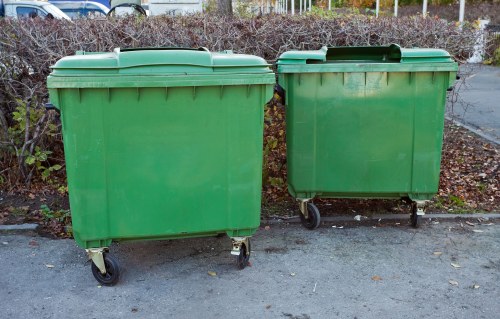
One of the first questions people ask about council large item collection in London is what actually qualifies as a large item. In most boroughs, large or bulky items are objects that do not fit into normal household bins and cannot be handled by routine waste services. These are often items that are awkward, heavy, or too large to be collected with regular refuse.
Typical examples include:
- Sofas and armchairs
- Mattresses and bed frames
- Wardrobes and cabinets
- Dining tables and chairs
- Carpets and rugs
- Large appliances such as fridges and washing machines
- Broken shelving units
- Garden furniture
- Exercise equipment
Some councils also accept electrical appliances as part of their bulky waste service, although items containing refrigerant gases, such as fridges and freezers, may need special handling. It is always best to check your borough’s rules before booking a collection. A simple misunderstanding can lead to delays, extra fees, or items being refused on collection day.
Why Council Large Item Collection Matters

Council large item collection in London plays an important role in keeping neighbourhoods tidy and reducing fly-tipping. When bulky waste is not collected properly, it often ends up dumped on pavements, alleyways, or near public bins. This creates an eyesore, attracts pests, and can lead to safety hazards for pedestrians and residents.
The service also supports better resource recovery. Many councils work with contractors or reuse partners to sort items for recycling, refurbishment, or donation where possible. That means an old chest of drawers or a usable sofa may be given a second life instead of ending up in landfill. This is increasingly important as London continues to focus on sustainability and waste reduction.
There is also a convenience factor. For busy households, arranging large item collection in London can save time and effort compared with hiring a van or trying to move items to a recycling facility. For elderly residents, families with young children, and anyone managing a move or refurbishment, the service can be a real relief.
How Council Large Item Collection in London Works
The process for council large item collection in London is generally straightforward, though the exact steps vary by borough. In most cases, you will need to book a collection in advance, specify the items you want removed, and place them in the correct location on the scheduled day.
Here is a typical process:
- Check your borough’s bulky waste service online or by phone.
- Confirm which items are accepted and whether there are any restrictions.
- Book a collection date and pay any applicable fee.
- Place the items outside your property, usually by the front boundary or in an agreed collection point.
- Make sure the items are accessible and ready for lifting on the collection day.
Some councils allow multiple items in a single booking, while others charge per item or per collection slot. It is also common for the council to ask that items be presented by a certain time, often early in the morning, so the crew can complete all scheduled collections efficiently.
Costs and Pricing Explained

Cost is a major factor when people consider council large item collection in London. Some boroughs offer a free allowance for bulky waste, while others charge a fixed fee or use a sliding scale based on the number and type of items. In a few areas, specific residents may qualify for concessions, such as older adults, people receiving certain benefits, or households needing support with essential waste removal.
Prices can vary widely across London. For example, a borough might charge a nominal fee for one to three items, with a separate price for more complex collections. Large electrical appliances, particularly fridges and freezers, may carry additional charges because they require special treatment. The good news is that council services are often still cheaper than private clearance options, especially for small to medium-sized jobs.
When budgeting for council large item collection in London, remember to factor in the number of items, their size, and any potential extra fees. If you are disposing of several pieces of furniture at once, it may be more cost-effective to book a larger collection rather than arrange separate pickups.
Items Commonly Accepted and Commonly Rejected
Not every item can be collected through council large item collection in London. Accepted items usually include furniture, mattresses, and some electricals, but restrictions apply. Councils need to protect workers, ensure safe lifting, and comply with waste regulations, so certain materials or products may be excluded.
Commonly accepted items include:
- Domestic furniture
- Standard mattresses
- White goods
- Office chairs and desks
- Indoor and outdoor household items
Commonly rejected items may include:
- Hazardous waste
- Paints, solvents, and chemicals
- Gas cylinders
- Asbestos
- Construction rubble
- Commercial trade waste
- Car parts and tyres
Always check the specific rules for your London borough before arranging collection. If you place prohibited items out for pickup, the council may refuse the collection or charge a failed collection fee. Knowing the rules in advance helps you avoid frustration and keeps your waste disposal smooth.
Preparing Items for Collection

Preparation is a key part of making council large item collection in London efficient. If items are not ready or accessible, the crew may not be able to take them away. A little preparation can prevent delays and avoid unnecessary charges.
Before collection day, consider these steps:
- Remove loose contents from drawers, cabinets, and storage units.
- Disconnect appliances safely and follow manufacturer advice if needed.
- Remove doors, shelves, or detachable parts if requested by the council.
- Place items in a location that is easy for collectors to reach.
- Keep walkways clear so workers can move items safely.
If your building has shared access, such as a block of flats, you may need to confirm where items should be left. Councils usually require bulky waste to be placed at ground level, not inside communal hallways or behind locked doors, unless special arrangements have been made. A well-prepared collection is faster, safer, and more likely to be successful.
Environmental Benefits of Responsible Bulky Waste Disposal
One of the strongest reasons to use council large item collection in London is the environmental benefit. Bulky waste is often made of materials that can be recycled, refurbished, or broken down for reuse. By choosing a council service, residents help ensure those items are processed through proper channels rather than dumped illegally.
Responsible disposal reduces landfill pressure and lowers the carbon footprint associated with transporting and replacing discarded goods. Many councils now work to separate wood, metal, textiles, and electrical components so they can be recycled more effectively. Some items may even be redirected to reuse schemes if they are in decent condition.
This approach aligns with London’s wider sustainability goals. By using a local bulky waste service instead of informal dumping or unregulated clearance, residents contribute to a cleaner city and a more circular economy. In practical terms, that means council large item collection is not just convenient; it is also the more environmentally responsible choice.
How Council Services Compare with Private Clearance
When deciding how to dispose of bulky waste, many London residents compare council large item collection with private clearance companies. Both options have advantages, but they suit different needs. Council services are often best for standard household items, smaller volumes, and residents who want a lower-cost option.
Private clearance may be more suitable if you need same-day removal, have a large volume of waste, or need to clear a property quickly after a move or renovation. However, private providers can vary in reliability and pricing. It is important to choose a licensed waste carrier if you go private, otherwise you risk fines if your items are fly-tipped by an unregistered operator.
For many households, the council route provides the ideal balance of affordability, compliance, and environmental responsibility. If your needs are straightforward, council large item collection in London is often the simplest and safest option.
Tips for a Smooth Booking Experience
Booking a council large item collection in London is usually easy, but a few practical tips can make the process even smoother. First, gather all the items you want removed before booking so you can provide accurate details. This avoids having to reschedule or add extra charges later.
Second, read the council’s instructions carefully. Some boroughs require residents to book online, while others still accept telephone requests. Knowing the collection window, accepted item list, and placement rules will help you prepare properly. If there is a specific access issue, mention it at booking stage so the crew can plan accordingly.
Third, be honest about the size and quantity of the items. Overlooking an additional item may lead to refusal on the day. In the same way, if you have items that need special disposal, such as a fridge, make sure they are included in the booking. Clear communication is the easiest way to avoid problems and ensure your bulky waste collection goes smoothly.
Common Problems and How to Avoid Them
Although council large item collection in London is designed to be simple, a few common problems can arise. Missed collections, incorrect item placement, and prohibited waste are among the most frequent causes of delays. Fortunately, these issues are usually avoidable with some planning.
Here are some common pitfalls:
- Leaving items in the wrong location
- Booking the wrong service type
- Forgetting to separate restricted waste
- Misunderstanding what the council will take
- Failing to make items accessible
If your collection is missed, contact the council through the appropriate service channel and check whether the items were presented correctly. If the problem was caused by access or incorrect booking information, you may need to rebook. Careful preparation reduces stress and ensures your large item collection in London is completed on time.
Large Item Collection for Flats, Estates, and Shared Buildings
London has a high number of flats, estates, and shared housing blocks, which can make bulky waste disposal slightly more complicated. Council large item collection in London still works well in these settings, but residents need to pay close attention to access instructions and communal area rules.
In many blocks, bulky items must be taken to a designated collection point outside the building. Councils often will not collect items from inside flats, lift lobbies, or upper floors unless special arrangements have been made. If you live in a managed property, check with your landlord, housing association, or building manager before booking.
For larger estates, the council may sometimes organise scheduled collection days or communal skip arrangements. These can be useful where many residents need to dispose of items at once. Understanding the rules for your property type helps ensure a smooth collection and avoids conflicts over shared spaces.
Why Fly-Tipping Is Not an Option
It can be tempting for some people to leave a bulky item beside a bin or at the roadside, especially if the council booking process seems inconvenient. However, fly-tipping is illegal and harmful. It can result in fines, damage local streets, and create health and safety risks for the community.
Using council large item collection in London is the right way to dispose of unwanted furniture and appliances. It shows respect for the neighbourhood and avoids the serious consequences associated with illegal dumping. In many cases, local enforcement teams actively monitor problem areas, and residents or property owners can be held responsible for improperly disposed items.
If your waste is too large for a normal bin, do not guess or leave it unattended. Instead, arrange a proper council large item collection or use a licensed disposal option. Responsible disposal is always the safer, smarter choice.
Making the Most of Reuse and Donation
Not all bulky items need to be thrown away. Before booking council large item collection in London, consider whether an item can be reused, donated, or sold. Furniture and appliances in good condition may still have value and could help another household.
Possible reuse options include:
- Local charity collection services
- Community reuse projects
- Online resale platforms
- Freecycle-style neighbourhood groups
- Family or friend donations
If an item is still usable, giving it a second life is often the most sustainable choice. That said, if the item is damaged, unsafe, or no longer functional, council large item collection in London remains a practical and responsible solution. The best option depends on the item’s condition, urgency, and whether someone else can genuinely benefit from it.
Planning Ahead for Moves, Renovations, and Spring Cleans
Council large item collection in London is especially useful during major home transitions. Moving house, renovating a room, or doing a seasonal clear-out often reveals broken, outdated, or surplus items that need to go quickly. Planning ahead can save time and reduce stress.
For a move, it is smart to review your belongings a few weeks in advance so you can decide what to keep, donate, or dispose of. For renovations, bulky waste such as old carpets, cabinets, and furniture may need to be removed before work begins. For spring cleaning, collecting unwanted items in one place before booking helps you choose the most efficient collection size.
Book early if you know you will need the service during a busy period. Demand can rise around weekends, bank holidays, and seasonal clear-out times. Early booking gives you more flexibility and helps ensure your large item collection in London happens when you need it.
Frequently Asked Questions About Council Large Item Collection in London
How many items can I book?
The number varies by borough. Some councils allow a few items per collection, while others let you book larger amounts for an increased fee.
Do I need to be at home?
Often, no. If items are placed correctly and access is clear, crews can usually collect without the resident being present. However, rules differ, so check in advance.
Can the council collect items from inside my home?
Usually not. Most council large item collection services in London collect from the outside boundary or a designated point rather than entering the property.
What if it rains on collection day?
Collections usually still go ahead unless there are severe weather or safety issues. Make sure items are accessible and not blocked by other objects.
Can I cancel or change a booking?
Many councils allow changes, but cancellation policies vary. Review the terms before making a booking so you understand any deadlines or fees.
Final Thoughts on Council Large Item Collection in London
Council large item collection in London offers a practical, affordable, and environmentally responsible way to deal with bulky waste. Whether you are discarding a single mattress or clearing several pieces of furniture, the service helps keep the city clean while reducing the risk of illegal dumping. It is a valuable option for busy households, tenants, homeowners, and landlords alike.
By understanding what counts as a large item, preparing properly, and checking the rules in your borough, you can make the whole process straightforward. From booking to collection day, a little planning goes a long way. The more you know about council large item collection, the easier it becomes to manage household waste responsibly and without hassle.
If you are ready to clear space and remove unwanted bulky items, take the next step today. Contact us today to explore your options or book your service now and enjoy a cleaner, more organised home environment.