Waste Recycling in London: How the City Turns Rubbish into a Cleaner Future
Waste recycling in London is more than a routine environmental task; it is a major part of how one of the world’s busiest cities manages growth, reduces landfill, and supports a cleaner, more efficient future. From homes and offices to restaurants, construction sites, and retail spaces, recycling in London has become a practical necessity that affects daily life, business operations, and the wider environment.
As the city continues to expand, so does the need for smarter waste disposal practices. Residents, landlords, property managers, and businesses all play a role in improving recycling rates and reducing the amount of rubbish sent to landfill or incineration. Waste recycling in London is not just about putting items into the right bin; it is about understanding local waste streams, following regulations, and making sustainable choices that support the capital’s future.
In this article, we explore how waste recycling in London works, why it matters, what materials can be recycled, and how households and businesses can improve their recycling habits. Whether you are trying to reduce your environmental impact or looking for better waste management solutions, the information below offers practical insight into recycling across the city.
Why Waste Recycling in London Matters
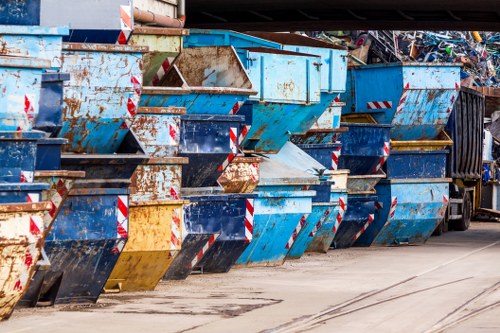
London produces a huge volume of waste every single day, and managing that waste responsibly is essential. Recycling helps reduce the pressure on landfill sites, cuts greenhouse gas emissions, and conserves valuable raw materials. For a city of this size, even small improvements in recycling behaviour can create a meaningful difference.
One of the biggest advantages of waste recycling in London is the reduction of environmental damage caused by sending mixed waste to landfill. When recyclable materials are recovered and processed correctly, they can be turned into new products instead of being lost forever. This supports a circular economy, where resources are reused for as long as possible.
There is also a financial benefit. Efficient recycling can lower disposal costs for businesses, reduce contamination penalties, and improve operational efficiency. For households, good recycling habits can help keep local areas cleaner and support borough-level waste services that are easier to manage.
How Waste Recycling in London Works
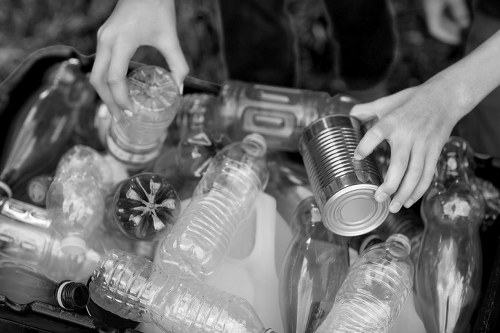
Waste recycling in London is shaped by a mix of local council services, private waste contractors, recycling centres, and commercial collection systems. Different boroughs may offer slightly different collection schedules or accepted materials, but the core principles remain the same: separate waste, collect it efficiently, and process it into reusable material.
At the household level, residents are usually provided with bins or bags for general waste, mixed recycling, food waste, and sometimes garden waste. Materials collected through these services are transported to sorting facilities where they are separated by type. This may involve manual sorting, mechanical separation, magnetic systems for metals, and optical scanners for plastics and paper.
Commercial waste recycling in London often involves tailored services for offices, shops, construction projects, hospitality businesses, and industrial premises. These services are often designed around waste volume, material type, compliance needs, and pickup frequency. Good recycling systems help businesses stay organised while reducing contamination and disposal costs.
What Can Be Recycled in London?
Understanding what belongs in recycling collections is one of the simplest ways to improve waste recycling in London. While exact rules vary by borough and collection provider, the following materials are commonly accepted in many recycling streams:
- Paper and cardboard
- Plastic bottles and containers
- Metal cans and foil
- Glass bottles and jars
- Food and drink cartons in some systems
- Food waste through dedicated food recycling schemes
- Garden waste where local collections exist
- Electronic waste through specialist recycling facilities
It is important to note that not everything with a recycling symbol is automatically accepted in every collection. Some items, such as plastic film, black plastic trays, polystyrene, batteries, and textiles, may require special handling or separate drop-off points. Always check local rules before placing items into a bin.
Contamination is one of the biggest problems in recycling. A single incorrect item can affect the quality of an entire batch. That is why proper sorting matters so much in waste recycling in London.
Household Recycling in London
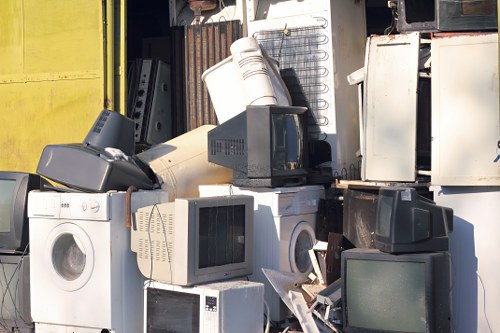
For residents, waste recycling in London begins at home. Sorting waste properly in kitchens, bathrooms, gardens, and utility spaces can make collections cleaner and more efficient. Many London boroughs now encourage residents to separate food waste, dry mixed recycling, and general rubbish.
Household recycling becomes easier when there is a simple system in place. For example, keeping a small caddy for food scraps in the kitchen, a container for paper and cardboard, and another for plastics and cans can significantly reduce confusion. Labelling bins or using colour-coded containers also helps every member of the household participate.
Families living in flats and shared accommodation often face extra challenges because of limited storage space or shared bin areas. In these situations, clear communication and consistent habits are especially important. Recycling in London works best when everyone in a building follows the same approach.
Simple household tips
- Rinse food residue from bottles and containers before recycling them
- Flatten cardboard boxes to save space
- Keep soft plastics out of normal recycling unless accepted locally
- Separate batteries and small electrical items for specialist disposal
- Do not bag recyclables if your local service requires loose sorting
Commercial Waste Recycling in London
Businesses generate a wide variety of waste, and commercial recycling in London is a vital part of keeping operations efficient and compliant. Offices produce paper, cardboard, electronics, and confidential documents. Restaurants and cafés generate food waste, packaging, glass, and disposable materials. Retailers often deal with cardboard, hangers, shrink wrap, and display packaging.
Effective waste recycling in London for businesses starts with a proper waste audit. This helps identify the main waste types, volumes, and collection needs. Once that information is clear, businesses can set up separate containers and scheduled collections that reduce contamination and improve recycling rates.
Many businesses also benefit from staff training. If employees understand what goes where, recycling becomes faster and more reliable. This is especially useful in busy workplaces where quick decisions are made throughout the day.
Common business recycling streams
- Cardboard and packaging waste
- Office paper
- Food waste
- Glass
- Metal cans and containers
- IT and electronic equipment
- Wood, plastic, and construction materials
Construction and Demolition Recycling in London

Construction sites produce some of the largest and most varied waste streams in the city. Bricks, concrete, timber, metal, plasterboard, packaging, and soil can often be separated for recycling or recovery. Because construction waste is heavy and bulky, managing it well can save both money and space.
Waste recycling in London’s construction sector is especially important because this industry generates significant quantities of material. Reusing and recycling builders’ waste reduces the need for virgin materials and helps lower the environmental footprint of development projects. It also supports better site organisation and can improve health and safety by reducing clutter.
Many contractors now work with mixed waste segregation systems, skip hire options, and specialist collection services to improve recovery rates. Source separation, where materials are sorted on-site, often delivers better recycling outcomes than mixing everything together.
Materials often recycled from construction waste
- Concrete and rubble
- Bricks and blocks
- Metals such as steel and aluminium
- Timber and pallets
- Plasterboard
- Cardboard and plastic packaging
- Excavation soil and aggregates where suitable
The Role of Borough Councils in Recycling
Local borough councils play a major role in waste recycling in London. They set collection rules, determine what residents can place in their bins, and provide access to household recycling services and local recycling centres. Because London is made up of many boroughs, recycling arrangements may vary from one area to another.
Some councils offer weekly food waste collections, while others provide garden waste subscriptions or different mixed recycling rules. This can sometimes be confusing, especially for people who move between boroughs. Still, these local systems are essential because they reflect the waste infrastructure and budget of each area.
Residents who understand their borough’s recycling instructions are more likely to recycle correctly. Checking council websites, bin calendars, and accepted item lists can prevent mistakes and keep recycling services working smoothly. In the wider picture, council support is one of the most important parts of waste recycling in London.
How councils support recycling
- Providing household recycling bins and bags
- Collecting food and garden waste
- Operating household reuse and recycling centres
- Publishing recycling instructions and local rules
- Supporting education campaigns and community initiatives
Benefits of Recycling More Waste in London
The advantages of waste recycling in London go well beyond keeping streets tidy. Recycling supports environmental protection, local efficiency, and long-term sustainability. It is one of the simplest ways to reduce the volume of waste that ends up in disposal facilities.
One major benefit is resource conservation. When paper is recycled, fewer trees need to be cut down. When metal is recycled, less energy is used than producing new metal from ore. When plastic is recovered and reused, fewer fossil-based materials are required for manufacturing.
Recycling also creates social and economic value. It supports jobs in collection, sorting, processing, and manufacturing. It encourages responsible behaviour among residents and businesses. And in a dense city like London, it helps create cleaner neighbourhoods and more efficient waste systems.
Environmental and practical benefits
- Lower landfill usage
- Reduced greenhouse gas emissions
- Less pollution from raw material extraction
- Improved resource efficiency
- Cleaner local streets and communal areas
- Better compliance with waste regulations
Common Recycling Mistakes to Avoid
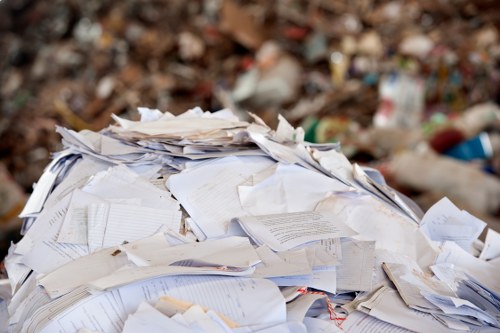
Even with the best intentions, recycling mistakes can happen. Some of the most common errors in waste recycling in London include putting food-stained packaging into recycling bins, mixing non-recyclable plastics with accepted materials, and disposing of electrical items in general waste.
Another common issue is “wish cycling,” where people place items into recycling bins hoping they are accepted. Although understandable, this can increase contamination and reduce the quality of collected material. It is better to check rules first rather than guess.
Overfilling bins, leaving bags beside containers, and not separating food waste correctly can also create problems. To keep recycling effective, every item should be placed in the right stream. A few extra seconds of sorting can make a significant difference in the overall recycling process.
Examples of mistakes to avoid
- Dirty takeaway containers with heavy food residue
- Plastic bags in standard mixed recycling unless specifically accepted
- Broken glass in paper or mixed recycling bins
- Used nappies and sanitary waste in recycling containers
- Small batteries mixed with general rubbish
Reuse, Repair, and Recycling: A Smarter Waste Strategy
Recycling is important, but it is only one part of a smarter waste strategy. The best approach is to reduce waste first, reuse what can still be useful, repair items where possible, and then recycle what is left. This hierarchy is often more effective than focusing on recycling alone.
In London, many items can be passed on, donated, sold, repaired, or repurposed before they become waste. Furniture, clothing, electronics, bicycles, books, and kitchenware often have a second life if they are still in good condition. This reduces pressure on recycling systems and keeps valuable items in circulation longer.
Waste recycling in London becomes even more effective when residents and businesses think beyond disposal. Reuse and repair support sustainability, save money, and encourage a more mindful relationship with consumption.
Useful ways to reduce waste before recycling
- Choose reusable containers and bottles
- Repair electronics and appliances where practical
- Donate usable furniture and clothing
- Buy products with minimal packaging
- Use refill systems for cleaning and household products
Specialist Recycling for Hard-to-Dispose Items
Not all waste can go into everyday recycling bins. Some items need specialist handling due to safety, material type, or processing requirements. This includes electrical equipment, batteries, fluorescent tubes, paint, chemicals, tyres, mattresses, and bulky household goods.
Specialist waste recycling in London ensures that these items are handled correctly and safely. For example, electronics can contain metals and components that should be recovered, while batteries can pose fire risks if disposed of improperly. Many local recycling centres and private providers offer dedicated collection routes for these materials.
If you are clearing out a property, updating an office, or renovating a space, it is worth planning ahead for specialist waste. Doing so helps avoid last-minute disposal problems and supports safer, more responsible waste management.
Items that often need special recycling arrangements
- Fridges and freezers
- Televisions and monitors
- Computers and printers
- Batteries and power packs
- Paint cans and solvent-based products
- Mattresses and upholstery
- Large bulky appliances
The Future of Waste Recycling in London
The future of waste recycling in London is likely to focus on higher recovery rates, smarter separation technologies, and greater public participation. As waste rules continue to evolve, more emphasis will be placed on reducing contamination and capturing valuable materials before they are lost to disposal.
Technology will play an increasing role. Better sorting systems, data-driven collection planning, and improved material recovery facilities can all help London recycle more efficiently. At the same time, public education remains essential. Even the best infrastructure depends on people sorting waste correctly at home and at work.
There is also growing interest in low-carbon waste solutions, circular economy models, and responsible procurement. In practical terms, this means choosing recycled materials, reducing packaging, and making waste prevention part of everyday decision-making. The city’s recycling future will depend on both innovation and consistent public behaviour.
What may shape recycling next
- More separated food waste collections
- Improved recycling access in flats and shared buildings
- Better reuse and repair networks
- Advanced sorting and processing technologies
- Stronger sustainability standards for businesses
How to Improve Your Recycling Habits Today
If you want to make waste recycling in London easier and more effective, start with a few simple changes. Create a clear system for sorting rubbish at home or in the workplace, check your local borough’s recycling rules, and reduce contamination by keeping recyclables clean and dry.
For businesses, a tailored waste plan can make a major difference. Reviewing collection schedules, training staff, and working with the right waste partner can improve efficiency and reduce unnecessary disposal costs. For households, consistent habits and better awareness are often enough to raise recycling rates significantly.
Every small improvement matters. When thousands of homes and businesses recycle more carefully, London benefits from lower waste volumes, cleaner streets, and a more sustainable resource system. Now is the right time to act and make recycling part of your daily routine.
Ready to improve your recycling setup? Book your service now and take the next step toward cleaner, smarter waste management. Contact us today to make waste recycling in London more efficient for your home, workplace, or property.
Conclusion: Waste recycling in London is a shared responsibility with real environmental and practical benefits. From household bins to commercial collection systems and specialist recycling services, every part of the city contributes to a cleaner and more sustainable future. By sorting waste correctly, reducing contamination, and choosing reuse before disposal, Londoners can support a more efficient recycling system that works for everyone.