Health and Safety Policy for Rubbish Less
 Rubbish Less is committed to delivering waste and rubbish removal services in a way that protects people, property, and the environment. This health and safety policy sets out the principles we follow to reduce risk, prevent injury, and maintain safe working practices across all our operations. Our approach is based on careful planning, clear communication, and continuous attention to hazards that may arise during collection, lifting, transport, and disposal activities.
We believe that safety is not a separate part of the service; it is central to how we work. Every task, whether large or small, is assessed with the aim of preventing accidents before they happen. All team members are expected to act responsibly, use safe methods, and support a working culture where concerns are reported early and dealt with promptly. This includes maintaining tidy work areas, using equipment correctly, and respecting the safety of customers, colleagues, and the public.
Our rubbish less safety standards apply to all staff, contractors, and anyone acting on behalf of the company. We expect everyone to follow safe systems of work and to recognise that no job is more important than avoiding harm. Where hazards cannot be fully removed, they must be controlled through proper procedures, protective equipment, and supervision. This policy is designed to support consistent decision-making and to create a dependable framework for everyday operations.
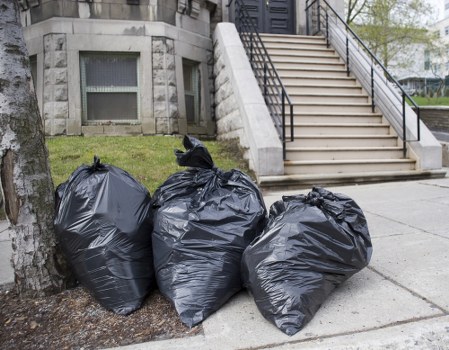 Risk assessment is a key part of our waste removal safety process. Before starting work, we consider the nature of the rubbish, access routes, manual handling demands, potential contamination, fragile surfaces, and any nearby people or vehicles. By identifying risks in advance, we can choose safer methods, assign the right resources, and reduce the chance of incidents. If conditions change during a job, the task is paused and reviewed so that safe arrangements can be restored.
Manual handling is one of the most common areas of concern in rubbish removal. Our teams are trained to lift, carry, and move items using correct posture and controlled movements. Heavy, awkward, sharp, or unstable items are handled with extra care, and machinery or team lifting is used when appropriate. We encourage staff to avoid rushing, to ask for assistance when needed, and to treat fatigue as a safety issue. These practices help maintain a strong Rubbish Less health and safety culture.
Personal protective equipment is provided and used where required. Depending on the task, this may include gloves, safety footwear, eye protection, high-visibility clothing, or respiratory protection. PPE is not a substitute for safe working methods, but it is an important additional safeguard. Team members are expected to inspect equipment before use, report damage, and replace items that no longer provide reliable protection.
 Vehicle and site safety are equally important within our rubbish less policy. Loading and unloading must be carried out carefully to prevent slips, trips, falls, and vehicle-related injuries. Drivers and operatives are expected to keep routes clear, maintain awareness of surrounding movement, and secure loads properly before travel. No one should stand in unsafe positions or work in areas where visibility is restricted without additional precautions.
We also place strong emphasis on cleanliness, waste segregation, and contamination control. Some items may contain dust, sharp edges, broken glass, or potentially hazardous materials, so they must be treated with caution. If suspicious, dangerous, or prohibited materials are discovered, work must stop and the item must be managed in line with safe handling procedures. This careful approach protects both workers and the wider public while supporting responsible rubbish less operations.
Training and supervision are essential to our health and safety management. Team members receive instruction relevant to their duties and are expected to refresh their knowledge through ongoing practice and operational review. Supervisors monitor work standards, support good behaviour, and intervene where unsafe practices appear. Learning from near misses, minor incidents, and changing conditions helps us improve our methods and strengthen prevention measures over time.
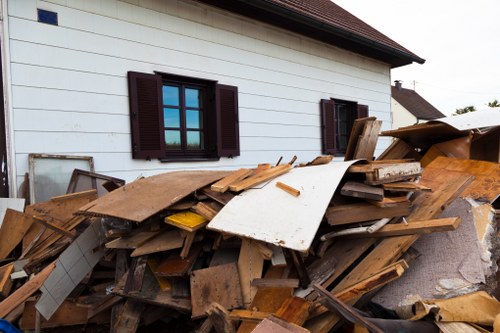 Emergency readiness is built into our working arrangements. We expect staff to know how to respond to injuries, vehicle incidents, fire risks, spills, or other unexpected events. Suitable first-aid arrangements and emergency procedures must be available and understood before work begins. When an incident occurs, the immediate priority is to protect people, secure the area, and escalate the situation through the appropriate internal process.
We are also committed to supporting the mental wellbeing of our workforce. A safe service depends on alert, focused, and confident people, so we aim to foster a respectful environment where staff can raise concerns without fear. Workloads should be planned sensibly, and pressure must never be allowed to create unsafe shortcuts. By promoting open communication, Rubbish Less encourages a balanced approach that values both efficiency and care.
This policy is reviewed regularly to ensure it remains effective, practical, and aligned with the needs of the business. Updates may be made when work processes change, when new risks are identified, or when improvements can strengthen safety performance. Everyone in the organisation has a role to play in making rubbish less services safer, more responsible, and more reliable for all involved.
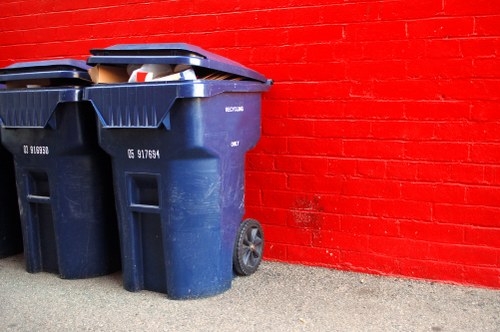 In summary, our health and safety policy reflects a simple but important commitment: to carry out every job with awareness, control, and respect for the people affected by our work. Through planning, training, protective measures, and consistent supervision, Rubbish Less aims to prevent harm and maintain high standards across all waste removal activities.