Business Waste Removal in London: Efficient, Compliant, and Cost-Effective Solutions
Running a business in London means dealing with constant movement, rapid growth, and a city that never really slows down. Alongside customers, contracts, and day-to-day operations, there is another reality every company must manage: waste. From office clear-outs and retail packaging to construction debris and hospitality rubbish, business waste removal in London is a crucial part of keeping operations clean, efficient, and legally compliant.
Whether you manage a small office in Shoreditch, a busy restaurant in Soho, a warehouse in East London, or a multi-site property portfolio, the right waste removal process can save time, reduce costs, and support a better workplace environment. In a city as fast-paced as London, businesses cannot afford waste piling up, collections running late, or disposal methods that create compliance issues. That is why professional commercial waste removal London services are in such high demand.
Good waste management is more than simply taking rubbish away. It involves planning, sorting, recycling, legal disposal, and choosing a service that fits the scale and nature of your business. This article explores how business waste removal in London works, why it matters, what types of waste businesses generate, and how to choose the right solution for your organisation.
 Why Business Waste Removal Matters in London
Every business creates waste, but not every business creates the same type or volume. Offices produce paper, packaging, old furniture, and electronic waste. Retailers handle cardboard, plastics, damaged stock, and promotional materials. Hospitality venues generate food waste, glass, and large volumes of mixed rubbish. Construction sites create rubble, timber, metal, and hazardous items. This variety means business waste removal in London must be flexible enough to meet different operational needs.
For companies in the capital, waste collection is not just a housekeeping task. It affects health and safety, brand image, staff productivity, and even legal standing. Overflowing bins around a premises can attract pests, create unpleasant odours, and make a business look unprofessional. In contrast, a structured waste removal service helps maintain a cleaner workspace and signals that the company takes responsibility seriously.
Another reason waste management matters is sustainability. London businesses are under increasing pressure to reduce landfill use and improve recycling rates. Choosing a provider that prioritises commercial recycling and ethical disposal can help your business meet environmental targets while also improving public perception. For many companies, effective waste handling is now part of wider ESG commitments.
The London Factor
London presents unique logistical challenges. Traffic congestion, parking restrictions, narrow access roads, busy business districts, and local authority rules can all affect waste removal schedules. A provider experienced in business waste removal in London understands how to work around these pressures, ensuring collections are on time and disruption is minimised.
- High-density commercial areas require precise collection planning.
- Multi-storey buildings may need tailored removal access.
- Peak trading times affect when waste can be safely collected.
- Different boroughs may have different operational constraints.
That local knowledge makes a big difference. A reliable waste partner does not just show up with a vehicle; they understand the city, the regulations, and the pace at which businesses need to operate.
 Types of Business Waste Common in London
When people hear the term business waste removal in London, they often think of black bin bags or office clear-outs. In reality, commercial waste comes in many forms, each with its own handling requirements. Identifying the type of waste your business produces is the first step in choosing the right disposal method.
Some waste streams are straightforward and can be collected as part of a regular commercial waste service. Others may require specialist handling, such as confidential shredding, electrical recycling, or hazardous waste processing. Understanding these categories helps businesses avoid unnecessary costs and stay compliant.
Below are some of the most common waste types generated by businesses across London.
Office Waste
Office environments usually produce paper, packaging, stationery, furniture, and electronic items. Businesses often also need help with archive disposal, outdated equipment, and refurbishment waste. Many companies now request office waste clearance as part of a wider sustainability strategy.
Retail Waste
Retail businesses create cardboard, plastic wrap, damaged stock, display materials, and packaging from deliveries. Fast collection is essential to keep storerooms and shop floors clear. For many retailers, business waste removal in London must be frequent and predictable because space is limited.
Hospitality Waste
Restaurants, cafes, bars, hotels, and catering companies often need collections for food waste, glass, grease-related waste, and large quantities of mixed rubbish. Hygiene is a major concern, so waste must be removed quickly and in line with regulations.
Construction and Refurbishment Waste
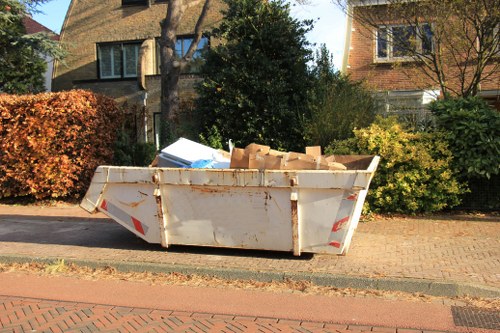
Builders, contractors, and property managers may deal with plasterboard, wood, bricks, soil, metal, and packaging materials. This type of waste often requires dedicated skips, grab lorries, or specialist clearance teams. In busy London locations, access and scheduling are especially important.
Hazardous and Specialist Waste
Some businesses generate waste that cannot be thrown away with general rubbish. This may include chemicals, fluorescent tubes, batteries, oils, or contaminated materials. Hazardous waste removal requires licensed handling and full compliance with waste regulations.
 How Business Waste Removal in London Works
Although each provider may operate slightly differently, the process behind business waste removal in London usually follows a clear structure. The goal is to make disposal simple for businesses while ensuring everything is handled responsibly.
First, a business assesses its waste output. This includes the amount of rubbish produced, the types of material involved, and how often collections are needed. A small office may only need weekly pickups, while a large hospitality venue may require several collections every week. The right service should reflect the business’s actual needs rather than a one-size-fits-all model.
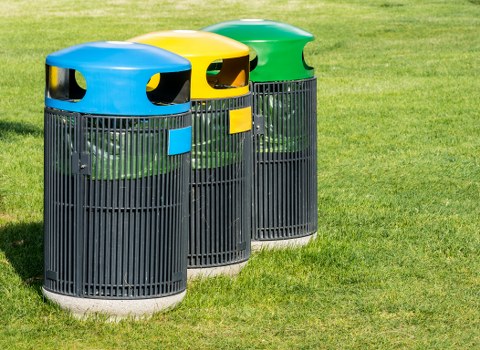
Next comes container selection. Providers may offer bins, sacks, caged containers, compactors, skips, or one-off clearance options. The right format depends on space, volume, and the type of waste generated. For example, an office building may need standard wheeled bins, while a refurbishment project may need a skip or bulk waste clearance.
Collection and Transport
Once the collection plan is in place, waste is gathered and transported by licensed vehicles. A professional provider of commercial waste removal London services will sort waste where possible, divert recyclable materials from landfill, and ensure all loads are handled according to legal requirements.
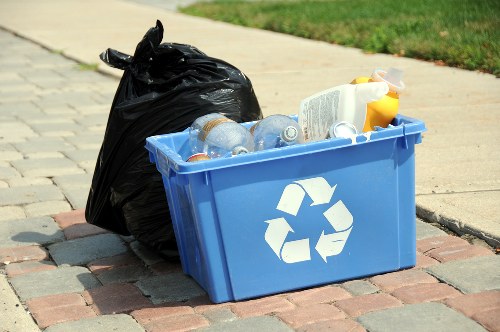
Businesses should expect clear processes for segregating recyclable material, general waste, and specialist waste streams. This can improve recycling performance and often reduce disposal costs over time. Efficient separation is especially important in a city with strong environmental expectations.
Sorting, Recycling, and Disposal
After collection, waste is taken to appropriate facilities for further sorting and treatment. Recyclables may be processed into new materials, while general waste may be converted into energy or disposed of safely in licensed facilities. The better the sorting at source, the more likely it is that valuable materials can be recovered.
This is where business waste removal in London can directly support sustainability. Many businesses now want to move beyond simply “getting rid of rubbish” and instead use their waste strategy to reduce environmental impact, improve reporting, and support corporate responsibility goals.
 Legal Responsibilities for Businesses in London
One of the biggest reasons to invest in professional business waste removal in London is compliance. Businesses have a legal duty of care when it comes to waste. This means they must store, transfer, and dispose of waste safely and responsibly, and they must work with appropriately licensed carriers.
Failing to comply can lead to fines, reputational damage, or problems if waste is fly-tipped and traced back to your business. Even if a third party removes the waste, the business that produced it can still be held accountable if the transfer was not done correctly. That is why choosing a reputable provider matters so much.
To stay compliant, businesses should understand the main responsibilities involved in commercial waste disposal.
Duty of Care
Under duty of care requirements, businesses must ensure their waste is only handed to registered waste carriers. They also need to keep records such as waste transfer notes, where applicable. These records prove that waste has been passed on legally and can be essential if an issue arises later.
Segregation and Storage
Waste should be stored securely and sorted wherever practical. Mixing general waste with recyclables or hazardous items can create extra costs and increase environmental impact. A good office waste removal London or commercial waste service will advise on how to separate materials effectively.
Non-Compliance Risks
- Fines from local authorities or regulators.
- Damage to reputation if waste is improperly handled.
- Higher costs caused by poor sorting and inefficient collections.
- Potential health and safety issues for staff and visitors.
For many businesses, the simplest way to reduce risk is to work with a provider that understands regulations and can explain the correct procedures clearly. In a city like London, where inspections and environmental expectations are increasingly strict, compliance should never be an afterthought.
 Choosing the Right Business Waste Removal Service
With so many providers offering business waste removal in London, choosing the right one can feel overwhelming. The best solution depends on your waste type, operational schedule, budget, and compliance requirements. However, there are a few qualities that consistently matter.
Start by looking for a provider that offers flexible collection schedules. Businesses change over time, and your waste output may increase during busy periods or reduce during quieter months. A service that adapts to your needs will usually deliver better value than a rigid contract.
Transparency is also important. You should know what you are paying for, what happens to your waste, and how recycling is handled. Many companies now want detailed reporting on waste volumes and diversion rates, especially when sustainability reporting is part of the business plan.
What to Look For
- Licensed waste carriers with the correct credentials.
- Experience in your sector, whether office, retail, hospitality, or construction.
- Clear recycling policies and responsible disposal practices.
- Responsive customer service and flexible scheduling.
- Transparent pricing with no hidden charges.
- Ability to manage both regular collections and one-off clearances.
Why Local London Expertise Matters
A business waste partner with local experience can make a real difference to efficiency. They understand route planning, borough rules, access issues, and timing challenges. That means less disruption to your staff and customers, as well as smoother collections overall. For companies in a congested urban setting, local knowledge is often just as important as vehicle capacity.
Some businesses also need help coordinating waste around office moves, refurbishments, fit-outs, or seasonal peaks. In those situations, a provider familiar with commercial waste removal London can tailor the service to suit short-term and long-term requirements alike.
Questions to Ask Before You Book
- What types of waste can you collect?
- How often can collections be arranged?
- Do you provide recycling reporting?
- Are your services suitable for one-off or ongoing needs?
- How do you handle confidential or hazardous waste?
Asking these questions upfront helps avoid misunderstandings and ensures the service fits your business properly. If your current arrangement is inefficient or inconsistent, it may be time to book your service now with a provider better suited to your needs.
Benefits of Professional Business Waste Removal in London
The value of professional business waste removal in London goes far beyond simply making rubbish disappear. A well-managed waste service supports your business in multiple practical and strategic ways.
First, it saves time. Staff should focus on productive work, not waste handling. When collections happen reliably and rubbish is removed promptly, your team can work in a cleaner, calmer environment. This can improve workflow, reduce clutter, and support better morale.
Second, it can save money. Although some businesses try to manage waste in-house, this often leads to hidden costs such as extra labour, inefficient bin use, or penalties for non-compliance. In many cases, a structured commercial arrangement is more economical over time.
Operational Advantages
- Cleaner workspaces and improved presentation.
- Reduced risk of pest problems and hygiene issues.
- Better space management in storage and service areas.
- More predictable waste-related budgeting.
Environmental Benefits
Sustainability is one of the strongest reasons businesses invest in commercial waste removal. Separating recyclables, reducing landfill use, and improving disposal methods all contribute to a better environmental profile. This can be especially helpful for firms working to improve ESG performance or meet internal sustainability targets.
Many London companies now view waste management as part of a wider responsible business strategy. Rather than treating waste as an unavoidable cost, they use smart waste planning to improve efficiency, comply with regulations, and demonstrate environmental awareness.
Practical Ways to Reduce Business Waste
Even the best business waste removal in London service becomes more effective when a company actively reduces the amount of waste it produces. Smaller waste volumes often mean lower costs, less collection frequency, and improved recycling outcomes.
Businesses can take several simple steps to reduce waste at source. These actions do not require major investment, but they can make a meaningful difference over time. In many offices, retail spaces, and hospitality venues, minor operational changes quickly lead to better waste performance.
Here are some practical ideas:
- Switch to digital workflows to reduce paper use.
- Order stock more accurately to minimise damaged or surplus items.
- Use reusable containers, cups, and packaging where possible.
- Set up clear recycling points for staff and customers.
- Train employees on how to separate waste correctly.
- Donate usable furniture or equipment instead of disposing of it.
Waste Audits Help Identify Opportunities
A waste audit can show what your business throws away most often and where improvements can be made. This is useful for organisations trying to reduce costs or improve recycling rates. Once the main waste streams are identified, your provider can recommend a better collection plan or a different container setup.
For businesses with changing needs, regular reviews are a smart idea. Seasonal businesses, event venues, and growing companies may need to adjust collections several times a year. Reviewing your arrangement helps ensure your business waste removal in London remains efficient and cost-effective.
Sector-Specific Waste Removal Needs
Different industries in London require different waste solutions, which is why business waste removal in London is rarely a standard service. A tailored approach ensures compliance, efficiency, and proper handling for each sector.
Office and Corporate Spaces
Offices often need recurring collections, confidential shredding, and furniture disposal. Businesses relocating or refurbishing also benefit from one-off clearances. For many corporate clients, convenience and reliability are the main priorities.
Retail and E-Commerce
Retailers and online sellers create large volumes of cardboard, packaging, and damaged stock. Quick collections are essential so backrooms, loading areas, and storage spaces remain usable. Efficient recycling can also help reduce disposal costs.
Hospitality and Food Service
Restaurants, hotels, and catering businesses must manage waste quickly to maintain hygiene standards. Food waste, glass, and general rubbish need frequent attention, often outside peak operating hours. A dependable service is essential for smooth daily operations.
Construction, Property, and Facilities
Construction and property management teams often need bulk waste removal, site clearance, and disposal of mixed materials. In London, access restrictions and tight timelines can make this especially challenging. Working with an experienced provider helps avoid delays.
Specialist Handling for Sensitive Sectors
Some sectors, such as healthcare, laboratories, and data-heavy offices, may need special handling for confidential or regulated waste. In these cases, professional oversight is essential. The correct commercial waste removal London service should always match the sector’s risk profile.
Cost Factors in Business Waste Removal in London
Cost is always an important consideration when choosing business waste removal in London. Prices can vary depending on collection frequency, waste type, volume, access conditions, and any specialist handling required. Understanding these factors helps businesses compare options more effectively.
Regular collections are often more economical than ad hoc arrangements because they create predictable service patterns. However, if your waste output is low, a smaller or less frequent plan may be the better choice. The best provider will help you match service levels to actual need rather than overselling capacity.
Other price influences include labour requirements, container type, recycling rates, and whether the waste must be sorted or treated specially. Heavy, mixed, or hazardous waste often costs more to process than straightforward dry recyclables. That is why waste prevention and good segregation can directly improve your bottom line.
Ways to Control Costs
- Reduce waste at source wherever possible.
- Separate recyclables to avoid mixed waste charges.
- Choose the right container size for your volume.
- Review collection frequency regularly.
- Work with a provider that offers transparent pricing.
Businesses that take a strategic approach often find that professional waste services are not just a cost centre, but a way to improve efficiency across the organisation. When collections are planned properly, waste management becomes smoother, safer, and more affordable.
Why Professional Support Makes a Difference
Managing commercial rubbish in a busy city is not a simple task. There are practical, legal, and environmental factors to consider, and each one affects the success of your waste strategy. Professional business waste removal in London brings structure to what can otherwise become a daily operational headache.
With the right partner, businesses gain dependable collections, better compliance, and more control over waste costs. They can also demonstrate a stronger commitment to sustainability and workplace standards. Whether you need regular collections, a one-off clear-out, or specialist disposal, choosing the right service helps protect your business and your reputation.
Ultimately, waste should never be allowed to disrupt operations. A smart approach to commercial waste removal keeps spaces functional, teams productive, and businesses prepared for growth. If your current setup is not delivering the reliability you need, it may be time to review your options and contact us today to arrange a better solution. For businesses that want to stay efficient and compliant, book your service now and take the next step toward cleaner operations.