Waste Disposal in London: A Practical, Sustainable, and Efficient Approach for Homes and Businesses
Waste disposal in London is more than a routine chore; it is a vital part of keeping one of the world’s busiest cities clean, safe, and efficient. From household rubbish and garden waste to bulky furniture, construction debris, and commercial refuse, the capital generates a huge variety of waste every day. Managing that waste properly helps protect the environment, reduces health risks, supports recycling, and keeps neighborhoods looking their best.
For residents, landlords, property managers, and business owners, understanding waste disposal in London can save time, reduce stress, and even lower costs. Whether you are clearing out a flat in Zone 1, removing office furniture in Canary Wharf, or arranging regular trade waste collection for a retail unit in South London, having the right disposal strategy matters. In a city where space is limited and regulations are strict, efficient waste removal is not just convenient—it is essential.
London’s waste disposal system includes council collections, recycling centres, private rubbish removal services, skip hire, and specialist disposal options for hazardous or bulky items. Each option serves a different purpose, and choosing the right one depends on the type of waste, the amount involved, and how quickly it needs to be removed. Waste disposal in London is therefore best approached with a clear plan, an understanding of local requirements, and a commitment to responsible environmental practices.
Understanding Waste Disposal in London
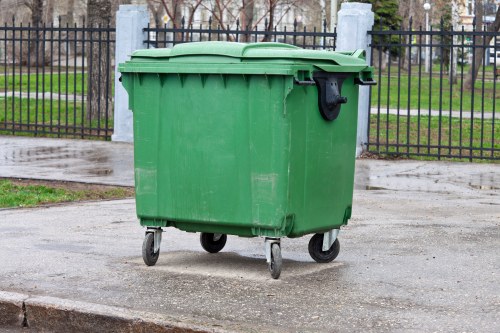
Waste disposal in London covers the collection, transport, processing, recycling, and final disposal of unwanted materials generated by households, businesses, and construction projects. Because London is densely populated and constantly active, waste management must be carefully coordinated to prevent overflow, fly-tipping, odor issues, and public health concerns. The city’s waste streams are diverse, which is why a one-size-fits-all solution rarely works.
In practical terms, waste disposal in London can include everything from black bin bags and cardboard boxes to mattresses, broken appliances, green waste, and renovation rubble. Some items can be recycled, some must be handled as special waste, and some require licensed removal by professionals. Knowing the difference is important not only for compliance but also for sustainability.
London boroughs each have their own collection schedules, recycling rules, and local policies, which means residents often need to check what is accepted and when. Businesses, meanwhile, have legal responsibilities to manage waste correctly and to keep records if they produce commercial waste. This makes informed waste disposal in London a shared responsibility between households, companies, and service providers.
Why Proper Waste Removal Matters
Good waste disposal in London does more than clear clutter. It helps reduce pollution, prevents pests, supports public health, and improves the appearance of streets, estates, and workspaces. It also allows recyclable materials to be recovered and reused, lowering the amount sent to landfill or incineration. In a city committed to sustainability, this is a major priority.
Improper disposal, by contrast, can lead to serious consequences. Illegal dumping can attract fines, create hazards, and damage the reputation of businesses or landlords. Missed collections or unmanaged rubbish can also create complaints from neighbors and tenants. That is why efficient waste disposal in London should be treated as an ongoing operational necessity rather than an afterthought.
When waste is handled correctly, the benefits are broad: cleaner neighborhoods, lower carbon emissions, safer buildings, and better use of resources. In that sense, smart waste disposal in London is part of the city’s wider environmental and social infrastructure.
Common Types of Waste in London
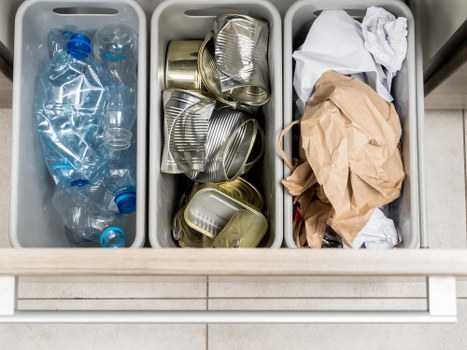
To manage waste disposal in London effectively, it helps to understand the different waste types. Each category has its own handling requirements, and separating them correctly improves recycling rates while reducing contamination. The main types include household waste, recyclable materials, garden waste, bulky items, commercial waste, and hazardous waste.
Household waste usually includes general rubbish such as food packaging, non-recyclable plastics, and other everyday discards. Recyclables may include paper, metal cans, glass bottles, and certain plastics, depending on the borough. Garden waste often contains grass cuttings, branches, and leaves, while bulky waste may include sofas, wardrobes, and old mattresses.
Commercial waste in London can range from office paper and packaging to café waste, retail stock damage, and manufacturing by-products. Hazardous waste is more specialist and can include paint, chemicals, batteries, fluorescent tubes, and electrical items requiring compliant disposal. Each of these waste types must be routed appropriately to keep waste disposal in London safe and lawful.
Household Waste and Flat Clearances
London has a high proportion of apartments and shared properties, which creates unique disposal challenges. Limited storage space means rubbish can build up quickly, especially during moves, refurbishments, or end-of-tenancy clearances. Effective waste disposal in London for households often requires a mix of bin management, recycling, and one-off removal services.
Flat clearances are especially common in central and inner boroughs, where residents may need to remove furniture, old appliances, or accumulated clutter. In these situations, a professional rubbish removal service can be faster and more flexible than arranging multiple council pickups. It also helps ensure items are sorted for recycling where possible.
For households, the key is to separate waste carefully and use the right method for each item. Smart sorting saves time, supports recycling, and reduces the amount of waste sent to landfill. That approach makes waste disposal in London more efficient for everyone involved.
Useful household disposal checklist
- Separate recyclables from general waste
- Book collection for bulky items early
- Use borough recycling centres where appropriate
- Avoid leaving waste in communal areas
- Check whether electrical items need specialist disposal
How Waste Collection Works Across London

Waste disposal in London is supported by a mixture of public and private services. Most households rely on local borough collections for day-to-day rubbish and recycling, while businesses often arrange commercial waste contracts. For larger clearances or urgent removals, private waste disposal companies offer faster response times and more tailored service options.
Borough collection services typically provide regular pickup days for general waste, food waste, and recycling. Some councils also offer booked collections for bulky items or garden waste. Because schedules vary, residents should always verify their local arrangements. Missing a collection can cause overflow, odors, and unnecessary mess, especially in densely populated areas.
Private providers play an important role in waste disposal in London by handling jobs that councils may not cover quickly enough. These services can be useful for same-day clearances, office relocations, construction debris, or estate cleanouts. Flexibility is one of the biggest advantages of private waste disposal in London, especially when time-sensitive removal is needed.
Recycling in the Capital
Recycling is central to modern waste disposal in London. Many boroughs offer kerbside collections for paper, cardboard, glass, cans, tins, and selected plastics. Recycling centres also accept a wider range of materials, including wood, scrap metal, garden waste, and sometimes small electrical items. The more accurately waste is sorted, the more can be recovered and reused.
Businesses can also improve recycling performance by placing clearly labeled bins for paper, mixed recycling, and general waste. In workplaces, simple education goes a long way. Staff who understand what belongs in each container help reduce contamination, which improves the value and efficiency of recycling streams.
Choosing recycling-first waste disposal in London is not only good for the environment; it can also be cost-effective. By diverting waste away from landfill and reducing mixed rubbish, households and companies can often reduce disposal charges over time.
Key recycling benefits
- Less landfill waste
- Lower environmental impact
- Better resource recovery
- Cleaner homes and workplaces
- Support for circular economy goals
Bulky Waste, Furniture Removal, and Property Clearances

Bulky items are one of the most common reasons people seek professional waste disposal in London. Sofas, wardrobes, desks, bed frames, white goods, and mattresses are difficult to move and often cannot be left with standard household collections. In crowded urban settings, removing these items safely and quickly often requires specialist support.
Property clearances are another major part of waste disposal in London, especially after tenancy changes, probate situations, relocations, or refurbishment projects. These jobs can involve a mixture of furniture, old clothing, personal effects, electronics, and general clutter. A structured removal process helps ensure items are sorted for reuse, recycling, or appropriate disposal.
Furniture removal is often easier with professional help because trained teams know how to navigate stairs, tight hallways, loading bays, and controlled access properties. They also know how to separate reusable goods from waste, which supports more sustainable disposal outcomes. In many cases, this makes waste disposal in London both simpler and greener.
When to Choose Professional Removal
There are many situations where professional waste disposal in London makes sense. If you have a large volume of rubbish, need same-day collection, lack transport, or want to avoid lifting heavy objects, a licensed rubbish removal service can be the most practical solution. This is especially true for landlords, estate managers, and businesses with repeated disposal needs.
Professional teams can also help when waste is awkward, mixed, or time-sensitive. For example, office refits may create piles of furniture and packing materials that must be cleared before contractors can continue work. Similarly, end-of-tenancy clearances often require a swift turnaround to prepare a property for the next occupant. Reliable waste disposal in London keeps projects moving.
Before booking, it is wise to estimate the amount of waste, identify any special items, and confirm whether the provider is licensed. That way, the collection can be handled efficiently and in line with legal requirements.
Commercial Waste Disposal in London
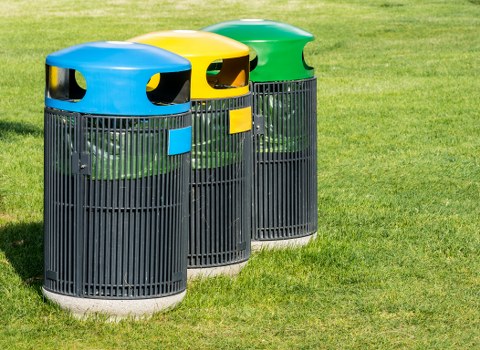
Commercial waste disposal in London is essential for offices, shops, hospitality venues, warehouses, and industrial premises. Businesses generate regular waste streams that must be managed consistently to maintain cleanliness, comply with regulations, and support brand reputation. Unlike domestic waste, commercial waste often requires scheduled collections and careful record-keeping.
Common business waste includes paper, cardboard, packaging, food waste, damaged stock, promotional materials, and confidential documents. Some businesses also produce specialist waste, such as chemicals, electronic equipment, or production offcuts. Effective waste disposal in London for businesses depends on choosing the right containers, collection frequency, and recycling strategy.
Many companies now prioritize sustainability in their waste policies. By reducing unnecessary packaging, reusing office materials, and separating recyclables, businesses can improve environmental performance and sometimes cut costs. A strong waste disposal plan in London can support both compliance and corporate responsibility.
Trade Waste and Legal Requirements
Trade waste is any waste produced by a business or commercial activity. In London, businesses are responsible for ensuring this waste is collected by an authorized carrier and managed properly. Duty of care regulations require businesses to keep waste transfer notes and to make sure materials are passed to licensed operators.
This is an important aspect of waste disposal in London because improper handling can lead to fines and reputational damage. Businesses should not use household bins for trade waste, and they should not assume that waste will be collected by the local council unless the service specifically covers commercial premises.
Choosing a compliant trade waste solution helps businesses stay organized and reduces the risk of fly-tipping or mixed waste contamination. It also creates a cleaner workplace and a more professional environment for staff and customers alike.
Practical steps for businesses
- Audit current waste streams
- Separate recyclable materials
- Choose licensed collection services
- Keep transfer documentation
- Review collection frequency regularly
Construction Waste and Building Site Disposal
Construction and renovation work produce significant amounts of waste, making construction debris one of the biggest challenges in waste disposal in London. Materials such as rubble, plasterboard, timber, metal, tiles, insulation, and packaging can quickly accumulate on sites and block progress if not removed promptly.
For builders, contractors, and property developers, efficient waste disposal in London is essential for maintaining safe working conditions and keeping projects on schedule. Poor waste handling can create trip hazards, reduce productivity, and complicate site logistics. A well-planned disposal strategy keeps sites tidy and compliant.
Options for construction waste include skip hire, grab bags, scheduled removals, and specialized waste collection for mixed loads. The best choice depends on project size, access, and waste type. Separating recyclable building materials where possible can reduce disposal costs and improve sustainability.
Reducing Waste on Site
One of the smartest ways to improve waste disposal in London is to reduce waste before it is created. Accurate ordering, careful material storage, and good site planning can all lower the volume of debris. Reusing offcuts, returning unused supplies, and recycling clean materials can also make a substantial difference.
Site managers should provide clearly marked containers for different waste types. This helps workers dispose of materials correctly and reduces contamination. A tidy, structured site also reflects positively on contractors and can improve client confidence in the project.
Ultimately, construction waste disposal in London works best when it is built into the project plan from day one rather than addressed at the end. That approach saves time, money, and unnecessary stress.
Environmental Impact and Sustainable Waste Disposal
Sustainability is now a central issue in waste disposal in London. The city produces vast quantities of rubbish, and the way that waste is handled has direct consequences for carbon emissions, resource depletion, and local air quality. A sustainable approach focuses on reducing waste, reusing items, recycling effectively, and disposing of the remainder responsibly.
Many Londoners are now more conscious of the environmental footprint of their choices. Reusing furniture, donating usable goods, and choosing recyclable materials can all reduce the burden on disposal systems. Responsible waste disposal in London supports the wider move toward a circular economy, where products and materials stay in use for as long as possible.
Private removal services can also contribute to sustainability when they sort loads carefully and prioritize recycling. The best providers aim to divert as much waste as possible away from landfill by sending suitable materials to recycling facilities, reuse networks, or approved treatment plants.
Ways to Make Disposal Greener
There are simple ways to make waste disposal in London more sustainable at home and at work:
- Buy fewer disposable items
- Repair and reuse furniture where possible
- Donate usable goods to second-hand channels
- Separate recyclables carefully
- Use licensed services that prioritize recovery
Even small changes can produce meaningful results when adopted across a busy city. Better waste habits reduce pressure on disposal facilities and help protect the environment for the future.
If you are planning a clearance, renovation, or recurring collection plan, contact a licensed waste service and book your service now to keep your project environmentally responsible.
Choosing the Right Waste Disposal Service in London
With so many options available, selecting the right waste disposal in London service can feel overwhelming. The best choice depends on the scale of the job, the kind of waste involved, your timeline, and any legal obligations. A good provider should be transparent about what they collect, how they dispose of it, and whether they are licensed.
Key factors to consider include response time, recycling rates, collection methods, and whether the company can handle specialist waste. It is also important to check that the provider is insured and authorized to transport waste. This protects you from liability and ensures your waste is handled responsibly.
For routine domestic needs, council services or local recycling centres may be enough. For larger or more urgent jobs, private collection is often the better fit. The right waste disposal in London solution should be convenient, compliant, and cost-effective.
Questions to Ask Before Booking
Before arranging a collection, ask the following:
- Is the company licensed to carry waste?
- What types of waste are accepted?
- Do they recycle or recover materials?
- Can they provide same-day or scheduled collection?
- Are there any items they cannot remove?
These questions help you avoid delays and ensure your waste disposal in London is handled correctly from start to finish.
In a city as active as London, a dependable waste service is invaluable. Whether you are clearing a single room, managing a block of flats, or running a business, choosing well makes all the difference.
Practical Tips for Better Waste Management
Effective waste disposal in London starts with simple habits. Keeping waste under control is easier when you build good routines into daily life or business operations. Even if you only need occasional removal, the way you sort and store waste affects how smoothly the process goes.
Start by separating waste into categories such as recycling, general rubbish, food waste, and special items. Use clear labels if more than one person shares the space. Keep bins accessible but not obstructive, and avoid overfilling them. When items are broken down or bundled sensibly, collections become faster and safer.
For larger clearances, make a list of everything you want removed before booking. This allows the collection team to plan properly and helps prevent missed items. Planning ahead is one of the easiest ways to improve waste disposal in London.
Simple habits that help
- Flatten cardboard boxes before recycling
- Store bulky waste in one place
- Keep hazardous materials separate
- Schedule collections before waste piles up
- Choose reuse before disposal whenever possible
These small actions reduce clutter, improve efficiency, and make the whole disposal process less stressful. They also support cleaner homes, offices, and communal areas.
When waste is managed well, it becomes far less disruptive. That is why a proactive approach to waste disposal in London is always worth the effort.
The Future of Waste Disposal in London
Waste disposal in London is continuing to evolve as technology, environmental policy, and consumer expectations change. More emphasis is being placed on recycling, reprocessing, energy recovery, and reduction at source. Digital booking systems, route optimization, and improved sorting methods are also making collection services more efficient.
Looking ahead, London is likely to see even stronger focus on sustainability, with businesses and households encouraged to reduce waste generation from the outset. Innovations in material recovery and smarter collection systems may help the city move further away from landfill dependence. This will make waste disposal in London cleaner, more connected, and more resource-efficient.
For residents and organizations, the message is clear: the better the planning, the better the outcome. Whether you need a one-off clearance or ongoing collection support, choosing responsible disposal methods now will have long-term benefits for the city and the environment.
Final Thoughts
Waste disposal in London is a crucial part of everyday urban life, affecting households, businesses, and construction projects across the capital. By understanding waste types, using the right services, and prioritizing recycling, it is possible to manage rubbish efficiently while supporting a cleaner and greener city. From bulky waste removal to trade waste contracts, the right approach makes disposal simpler and more sustainable.
If you are facing a clearance, renovation, or regular waste challenge, take action early, choose a licensed provider, and make sustainability part of the plan. Contact us today to arrange the right solution for your waste disposal in London needs, or book your service now to keep your property or premises clean, compliant, and clutter-free.