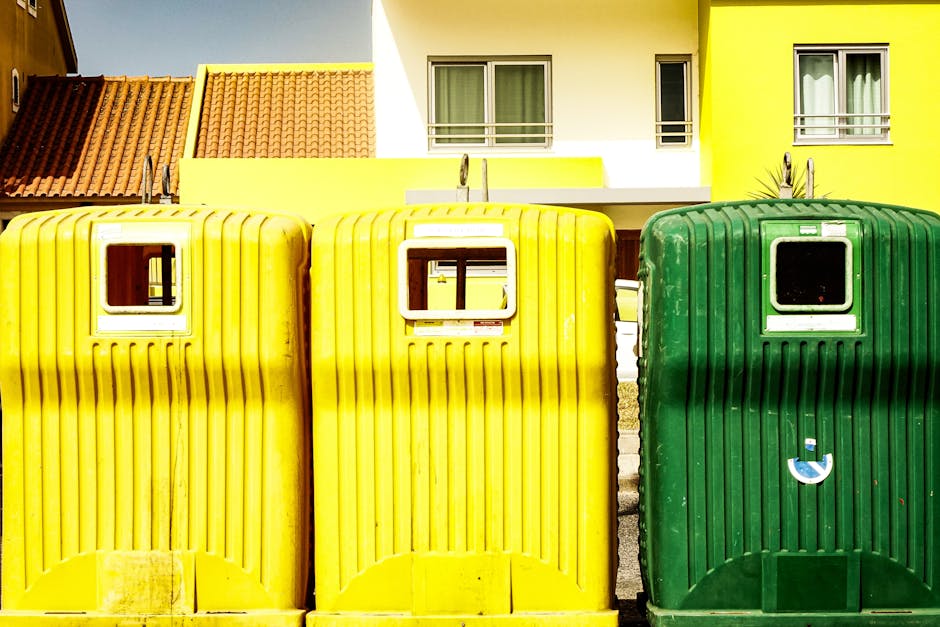
Guide to safely disposing bulky household waste at home
Bulky household waste has a way of hanging around longer than it should. A broken wardrobe in the spare room, a mattress leaning in the hallway, an old fridge that nobody wants to touch - sound familiar? This Guide to safely disposing bulky household waste at home walks you through the safest, cleanest, and least stressful way to deal with large unwanted items without turning your house into a mini depot. The aim is simple: help you protect your back, avoid damage, reduce mess, and choose the right disposal route for each item.
Whether you are clearing out after a move, replacing furniture, or finally dealing with the garage pile-up that has been quietly growing for years, the process is easier when you know what to look for. Let's face it, bulky waste is rarely just "one item". It is usually awkward, dusty, heavier than it looks, and just a bit annoying. The good news? With a sensible plan, you can handle it safely and confidently.
Table of Contents
- Why this guide matters
- How safe bulky waste disposal works
- Key benefits and practical advantages
- Who this is for and when it makes sense
- Step-by-step guidance
- Expert tips for better results
- Common mistakes to avoid
- Tools, resources and recommendations
- Law, compliance, standards and best practice
- Options and method comparison
- Case study or real-world example
- Practical checklist
- Conclusion
- Frequently asked questions
Why Guide to safely disposing bulky household waste at home Matters
Bulky items are a different beast from everyday rubbish. A carrier bag of kitchen waste is one thing; a three-seater sofa, broken freezer, or dismantled wardrobe is another. These items can be awkward to lift, sharp at the edges, contaminated with dust or mould, and too large for standard bins. If you try to force the issue, you risk injury, property damage, and a very unpleasant afternoon.
Safety matters because bulky waste often needs more than just "put it out and hope". You need to think about access routes, weight, sharp fixings, electrical components, and whether the item can be reused or recycled. In a typical London terrace, for example, simply getting a mattress down a narrow staircase can be more of a puzzle than the disposal itself.
There is also a broader responsibility. Household waste should be managed properly, and certain materials need separate handling. A fridge, for instance, is not the same as a chipped coffee table. White goods may contain gases or electrical parts, while furniture may be suitable for reuse or material recovery. Sorting that out early makes the whole process smoother.
Expert summary: the safest bulky waste plan is the one that starts before you move anything. Check the item, clear the route, protect yourself, and decide whether it should be reused, recycled, collected, or removed professionally.
If you are already comparing disposal routes, you may also find it useful to look at bulky waste collection, waste removal, and rubbish clearance as part of your planning.
How Guide to safely disposing bulky household waste at home Works
The process usually follows a practical sequence: identify the item, check whether it can be reused or broken down, prepare it safely, and then choose the most suitable disposal route. That might be a council collection, a private collection service, a recycling route, or a home clearance approach if there is more than one item.
In simple terms, bulky household waste disposal at home is less about brute force and more about making the job manageable. The right method depends on the item size, condition, material, and how quickly it needs to go. A sofa in usable condition may have a different route from a water-damaged mattress. A freezer is a different case again, because white goods often need specialist handling.
A useful way to think about it is this: the safest route is the one that reduces handling. The fewer times you have to lift, drag, or tilt something heavy, the better. If you can dismantle an item safely, that helps. If you can remove doors, drawers, shelves, or legs, even better. But do not start taking things apart without thinking first; some items have hidden fixings, heavy glass panels, or parts that spring loose suddenly. That is where little accidents happen.
Services and disposal routes differ too. For instance, a single mattress may suit a dedicated mattress disposal option, while a larger lounge set might be better handled through sofa removal and collection or furniture removal and collection. If you are emptying several rooms at once, a broader home clearance or house clearance can be more efficient.
Key Benefits and Practical Advantages
Doing bulky waste disposal properly gives you more than a tidier house. It saves time, reduces stress, and lowers the risk of injury. To be fair, that last point is the one people usually remember too late - after the awkward twist in the back or the scratched wall in the stairwell.
- Less risk of injury: planned lifting and proper handling reduce strain on backs, shoulders, and hands.
- Less damage to your home: doors, banisters, flooring, and paintwork are less likely to get scuffed or dented.
- Better sorting: items can be separated for reuse, recycling, or disposal more easily.
- Cleaner process: you avoid leaving bulky objects blocking hallways, fire exits, or entrances.
- Faster clearance: a clear plan usually means fewer trips and less back-and-forth.
- More sensible costs: choosing the right route can prevent paying for a larger service than you need.
There is also a psychological benefit, even if it sounds a little dramatic. Once the oversized item is gone, a room can feel immediately lighter. You notice the space again. The corner that used to be filled with an old armchair suddenly becomes usable. That matters, especially during a move or renovation.
If your bulky waste includes mixed materials, it may be worth reading about recycling and waste and recycling and sustainability so you can make cleaner choices where possible.
Who This Is For and When It Makes Sense
This guide is useful for anyone dealing with large household items, but it is especially relevant if you are:
- moving home and need to reduce what you take with you
- replacing old furniture or appliances
- emptying a loft, garage, basement, or spare room
- handling a probate or inherited property
- sorting a flat after tenants leave behind larger items
- clearing clutter after a long period of build-up
- dealing with damaged or unusable household goods
It also makes sense if you are looking at one item and thinking, "I can probably manage this myself" - but you are not completely sure. That hesitation is sensible. A heavy wardrobe on a staircase or a fridge with awkward weight distribution is exactly where people get caught out.
For smaller one-off items, a council route may suit. For mixed furniture or several large objects, a dedicated collection can be more practical. If the job has snowballed, flat clearance, loft clearance, or garage clearance may fit better than dealing with every piece individually.
Step-by-Step Guidance
Here is a straightforward way to handle bulky waste safely at home without making a meal of it.
1. Identify exactly what you are getting rid of
Start with a quick inventory. Is it furniture, a mattress, white goods, garden waste, or a mixed pile? The more specific you are, the better your next decision will be. A wooden table is not the same as a fridge. Obvious enough, but it gets overlooked.
2. Check whether it can be reused, repaired, or recycled
If the item is still usable, consider whether someone else could make use of it. If it is broken but salvageable, separating recyclable parts may help. A sofa with a worn cover might still have life left in the frame. A wardrobe may be worth dismantling if the wood is recoverable. If you are unsure, look at whether the item is structurally sound, clean enough, and safe enough to pass on.
3. Measure the item and the access route
This is one of the most practical steps, and one people skip far too often. Measure doors, stairs, corners, lifts, and the item itself. If it won't fit on the way out, you need a dismantling plan before you start moving it. A quick five-minute measure can save a very awkward twenty-minute struggle.
4. Prepare the item for moving
Remove loose parts, empty drawers, take out cushions, and detach anything that could fall off. Tape down sharp edges where needed. If an item has glass, remove it carefully or keep it well protected. Wear gloves. Sturdy shoes too. Sliders, sack trucks, or moving blankets can help if the item is being shifted within the house.
5. Protect your home and your body
Clear the route first. Move rugs, shoes, toys, and anything else that could become a trip hazard. Open doors wide. If possible, have one person guide and another lift. Bend at the knees, not the waist. Yes, that old advice is repeated because it actually matters.
6. Choose the disposal method
Once everything is ready, decide whether the item should go to a council collection, a recycling route, or a private clearance service. Some items, such as mattresses and white goods, are often better handled through dedicated services like white goods recycle or fridge disposal. If you need an efficient, broader solution, bulky waste collection is often the most direct answer.
7. Do a final clean-up
Once the item is gone, sweep or vacuum the area and check for screws, broken fittings, or dust. Small bits are easy to miss. They usually end up underfoot later, which is irritating in a very specific way.
Expert Tips for Better Results
These are the little things that make a noticeable difference.
- Work from the exit backwards. Plan the route before you touch the item.
- Do not rush corners. Most scuffs happen turning through doorways, not on the main lift.
- Use two people for awkward loads. Even if the item seems manageable, the shape may be deceptive.
- Separate reusable parts early. Cushions, shelves, cushions again, loose shelves - they all get in the way.
- Check for hidden hazards. Broken glass, nails, mould, old wiring, leaking liquids, and rodent contamination all change the job.
- Keep children and pets away. It sounds obvious, yet homes are busy places and distractions happen.
If you are clearing several items, group them by material. Wood, metal, textiles, and electrical items may follow different routes. That makes sorting much easier and can improve the chance of recycling.
In our experience, the best bulky-waste jobs are the boring ones. Calm, methodical, slightly dull. That is a compliment, honestly. The more ordinary the process feels, the safer it usually is.
Common Mistakes to Avoid
Most bulky waste problems come from trying to save time in the wrong place.
- Forcing items through tight spaces: if it does not fit, stop and rethink.
- Lifting without a clear grip: some items shift weight halfway through the move.
- Ignoring sharp or contaminated surfaces: old furniture can hide splinters, mould, rust, or broken fittings.
- Starting dismantling without checking fixings: some furniture is under tension or assembled in a way that can surprise you.
- Leaving the route cluttered: a single shoe or cable can cause a trip when you are already carrying something heavy.
- Dumping items illegally: fly-tipping is not worth the risk, and it creates a mess for everyone else.
A common one is underestimating how tired you will feel after just one awkward lift. You start with confidence. Halfway through, you are thinking, "this looked smaller yesterday." Happens all the time.
If the item is part of a larger clear-out, it may be better to combine it with junk clearance or waste clearance rather than treating each object as a separate mission.
Tools, Resources and Recommendations
You do not need specialist equipment for every job, but the right tools make a big difference.
| Tool or resource | What it helps with | Best for |
|---|---|---|
| Work gloves | Grip, splinters, rough edges | Furniture, broken panels, mixed waste |
| Sturdy footwear | Foot protection and stability | All bulky items |
| Furniture sliders | Moving heavy pieces across floors | Wardrobes, cabinets, sofas |
| Moving blanket | Protecting walls and floors | Large items through tight routes |
| Sack truck or trolley | Transporting weight with less strain | Boxes, appliances, stacked items |
| Basic screwdriver or hex key | Safe dismantling of furniture | Beds, tables, flat-pack units |
For specific items, dedicated pages can be helpful. A bed, for example, often needs a different handling approach from a sofa. See bed disposal and sofa removal for item-specific guidance. If you are dealing with general furniture rather than one object, furniture disposal is a useful reference point.
For larger domestic jobs, it can also help to compare private and council routes. If you want to understand broader options, council large item collection and council waste collection are worth considering alongside private collection options.
Law, Compliance, Standards and Best Practice
When you dispose of bulky household waste, the main thing is to follow sensible household waste practice and avoid anything that could be classed as illegal dumping. Exact council rules vary, so the safest approach is to check local requirements before you put anything out. Councils may differ on booking processes, item limits, accepted materials, and collection days.
There are also practical safety expectations. Electrical items should not be handled carelessly, and anything contaminated with oil, fluids, mould, or pests needs extra caution. If you are disposing of a fridge, freezer, television, or other electrical item, a dedicated route is usually better than treating it like ordinary rubbish.
Professional operators should follow health and safety procedures, appropriate handling methods, and responsible waste transfer practices. If you are comparing providers, it is fair to ask how items are collected, where they go, and how reusable or recyclable materials are separated. A trustworthy service should be able to explain the process clearly without hiding behind vague language.
You may also want to check broader company information such as health and safety policy, insurance and safety, and recycling and sustainability if you are choosing a service and want a bit more reassurance. That kind of detail matters more than people think.
Best practice, in plain English: keep the waste moving through the right route, keep people safe, and keep the item out of the wrong place. Simple on paper, slightly messy in real life. But manageable.
Options, Methods, or Comparison Table
There is no single best method for every bulky item. The right choice depends on urgency, item type, access, and how much effort you want to put in.
| Method | Best for | Pros | Watch-outs |
|---|---|---|---|
| Self-managed disposal | Small number of manageable items | Low direct cost, full control | Heavy lifting, transport, time, risk of injury |
| Council collection | Planned one-off large items | Often straightforward, familiar route | Availability may be limited; rules vary |
| Private bulky waste collection | Faster or more flexible removal | Convenient, suitable for awkward items | Cost can be higher than self-managed routes |
| Dedicated item disposal | Mattresses, sofas, fridges, white goods | Better handling and sorting | May require item-specific booking or collection |
| Full clearance service | Several items or whole-room clear-outs | Efficient, less lifting for you | May be unnecessary for one small item |
If your house has turned into a bit of a jigsaw puzzle of large items, a wider service such as rubbish removal or waste removal can be more practical than trying to piece together separate collections. It depends on how much you need gone. Sometimes one call solves three weekends of faffing about.
Case Study or Real-World Example
Picture a fairly ordinary Saturday morning in a London flat. There is a sagging sofa, an old mattress, and a broken chest of drawers that has lived in the hallway for too long. The resident wants the space back before guests arrive later in the week. Nothing dramatic, just a real-life clear-out with no spare room to work in.
The safest approach starts with a quick sort. The mattress is kept separate. The sofa is checked for loose springs and removable cushions. The chest of drawers is emptied, then the handles are removed so it can pass through the door more easily. The hallway is cleared, a blanket is placed over the sharp corner of the banister, and the items are moved one at a time rather than all at once. No heroics.
Because the items are bulky and awkward, the resident chooses a dedicated collection route instead of trying to lift everything into a car. The result is a cleaner exit, less risk of scratching the floorboards, and no need to wrestle a damp mattress down the stairs. The room feels usable again by the afternoon, which, truth be told, is often the real reason people do this in the first place.
If the same flat had also contained boxes of old clutter, garden bits, and miscellaneous leftovers from a loft clean, a broader house clearances or property clearance approach would probably have made more sense.
Practical Checklist
Use this before you move anything heavy.
- Identify each bulky item clearly.
- Decide whether it can be reused, repaired, recycled, or disposed of.
- Measure the item and the route out of the property.
- Clear doorways, stairs, and hallways.
- Wear gloves and sturdy shoes.
- Remove loose or sharp parts where safe to do so.
- Keep children and pets away from the work area.
- Use two people for awkward or heavy items.
- Choose the disposal route before the item is moved.
- Check the area for screws, glass, dust, and small debris afterwards.
If your item is an appliance, mattress, or large piece of furniture, it is worth thinking in categories rather than treating it as just "stuff". That small shift usually leads to better choices and fewer regrets.
Get a free quote today and see how much you can save.
Conclusion
Safely disposing of bulky household waste at home is mostly about good judgement. Start with the item itself, think through the route, protect yourself and your home, and pick the disposal method that fits the job rather than the one that seems quickest in the moment. A little planning saves a lot of hassle.
Not every item needs the same solution, and that is exactly why this guide matters. A sofa, mattress, fridge, wardrobe, and mixed household clutter all have different handling needs. Once you understand those differences, the whole process becomes far less stressful. And yes, sometimes the best decision is simply to let someone else take care of the heavy lifting. Nothing wrong with that.
One last thought: bulky waste is often the thing standing between you and a more usable room, a calmer move, or a less chaotic weekend. Deal with it carefully, and the space feels better almost immediately. That's a good feeling, honestly.
Frequently Asked Questions
What counts as bulky household waste?
Bulky household waste is any large item that is too big or awkward for normal household bins. Common examples include sofas, mattresses, wardrobes, tables, fridges, freezers, and large broken household items.
Can I put bulky waste in my normal bin?
Usually no. Most bulky items will not fit, and forcing them into bins can create safety issues or damage the container. Large items are normally handled through a separate collection, recycling route, or clearance service.
Is it safe to move a bulky item by myself?
Sometimes, but only if the item is light enough, easy to grip, and the route is clear. If it is heavy, awkward, or likely to twist during lifting, get help or use a proper collection method. Your back will thank you later.
What should I do before moving a bulky item out of the house?
Empty it, remove loose parts, measure doorways and stairs, clear the route, and make sure you have gloves and sturdy footwear. If the item can be dismantled safely, do that before you start moving it.
Are mattresses and sofas handled differently from other furniture?
Often yes. Mattresses and sofas can need item-specific handling because of their size, materials, and potential for reuse or recycling. Dedicated services such as mattress disposal or sofa removal are often a better fit.
What is the safest way to dispose of a fridge or freezer?
Fridges and freezers are best treated as white goods, not general waste. They can contain electrical parts and gases, so a dedicated route such as fridge disposal or white goods recycle is usually more appropriate.
Should I dismantle furniture before disposal?
If it can be dismantled safely, yes, that often makes moving and loading much easier. Remove doors, legs, shelves, and other detachable parts where sensible. But do not dismantle blindly; some items are more awkward than they look.
Can bulky household waste be recycled?
Often some of it can. Wood, metal, textiles, and electrical components may be recoverable depending on the item and its condition. The more you sort before disposal, the better the chance of recycling or reuse.
What is the difference between bulky waste collection and full house clearance?
Bulky waste collection is usually for one or a few large items. Full house clearance is better when you need several rooms, a property, or a large volume of mixed items cleared in one visit.
How do I know whether to use council collection or a private service?
Use council collection if the timing, item type, and booking rules suit your needs. A private service may be better if you need faster removal, more flexibility, or help with awkward items. It comes down to convenience, urgency, and how much handling you want to do yourself.
What are the main safety risks with bulky waste at home?
The main risks are back strain, trips, pinched fingers, cuts from sharp edges, and damage to walls or floors. Hidden hazards such as mould, rust, broken glass, or unstable fixings can also catch people out.
What if I have several large items to remove?
If you have more than one bulky item, a broader service such as rubbish clearance, waste clearance, or home clearance may be more practical than handling items individually. It often saves time and reduces repeated lifting.
Can I leave bulky waste outside my home while I wait?
Only if you have a planned collection and the items are placed according to the collection rules. Leaving items outside randomly can block access, create a mess, and potentially cause issues with your local area. Check the collection plan first.
What should I do if a bulky item is contaminated or damaged?
Take extra care. Wear gloves, avoid direct contact with mould or fluids, and keep the item separate from clean household goods. If it looks unsafe to handle, it may be better to arrange collection rather than trying to move it yourself.
If you are unsure which disposal route fits your item, start with the safest and simplest option, then work from there. A calm approach usually beats a rushed one, every time.