Simple steps to prepare a skip load for collection
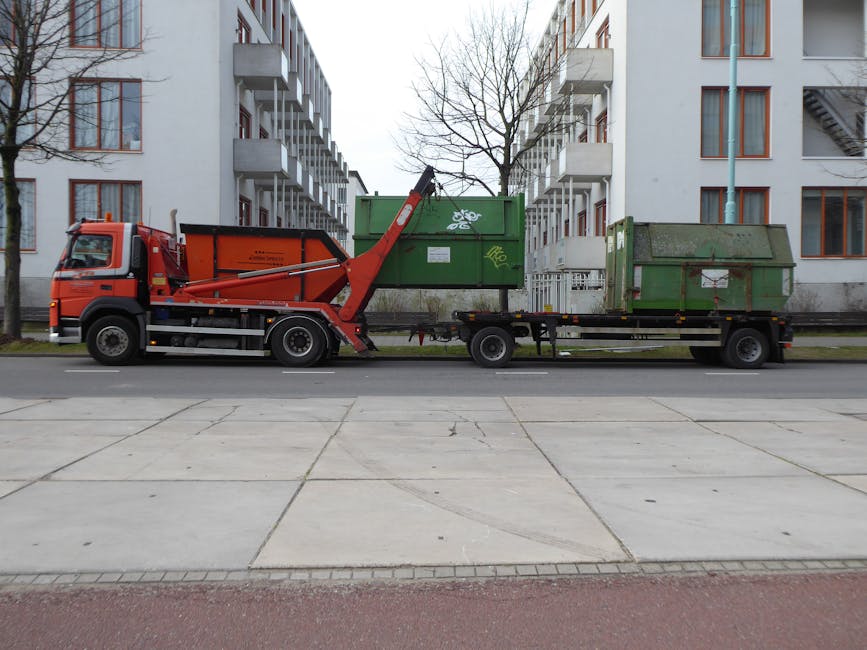
If you have a skip sitting outside and you want it taken away without delays, there's a knack to getting it ready properly. The good news is that the simple steps to prepare a skip load for collection are, well, actually simple once you know what matters. A tidy load, the right waste types, safe access, and a quick last check can save you hassle on the day and help the collection go smoothly. Whether you're clearing out a garden, finishing a builder's job, or just dealing with a serious pile-up after a house tidy, the basics are the same.
This guide walks you through the practical side of skip preparation: what to do before collection, what to avoid, and how to make sure the skip can be lifted or removed safely. Nothing overcomplicated. Just the stuff that genuinely helps.
Why simple steps to prepare a skip load for collection matters
Preparing a skip load properly matters for a few very ordinary reasons: safety, access, timing, and cost control. If the waste is stacked badly, overloaded, or mixed with prohibited items, collection can be delayed or refused. That's frustrating, especially if you've already done the heavy lifting. And let's face it, nobody wants to spend a wet Tuesday morning re-sorting rubble, old shelving, and broken bits of bathroom suite because the load wasn't ready.
There's also a practical side. A well-prepared skip is easier to collect, easier to assess, and less likely to create issues for the crew, neighbours, or the property entrance. In many cases, the difference between a smooth pickup and a messy one comes down to a few minutes of care at the end.
For households, trades, landlords, and small businesses, this is one of those jobs that looks straightforward until it isn't. A little planning now saves you a much bigger problem later. That's the honest version.
How simple steps to prepare a skip load for collection works
At a basic level, skip collection works like this: the waste is loaded, the skip is placed where the vehicle can access it, and the collection team lifts or removes it for transport to a sorting or transfer point. If everything is arranged sensibly, the process is quick. If not, the crew may need to stop, inspect, or ask for the load to be adjusted.
The main thing to understand is that a skip is not just a bin for everything. It has weight limits, height limits, and waste-type limits. The collection team also needs a clear route to the skip, enough space for the vehicle, and a load that can be handled safely. That means the preparation stage is just as important as the loading stage.
Think of it like packing a suitcase for a very fussy train journey. If the zip is bulging, the wrong items are mixed in, or the bag is left in the middle of the corridor, you're asking for trouble. Skip loads are the same in a more industrial sort of way.
Key benefits and practical advantages
Doing the prep properly gives you more than a neat-looking skip. It improves the whole job from start to finish.
- Faster collection: crews can remove a correctly prepared skip without unnecessary checks or reworking.
- Lower chance of refusal: if the waste is compliant and accessible, the collection is much more likely to happen first time.
- Safer handling: tidy, stable loads reduce the risk of shifting waste or awkward lifting.
- Better space use: organised loading helps you fit more in without pushing waste above the rim.
- Fewer neighbour issues: a properly placed and managed skip is less likely to cause complaints or obstruction.
- Less waste contamination: separating materials early makes recycling and disposal more straightforward.
There's a hidden benefit too: you tend to discover problems before collection day, not during it. That's a much nicer moment to realise a mattress, fridge, or plasterboard needs separate handling than when the truck is already nearby.
If your waste stream includes furniture, bulky items, or mixed household clear-out material, it can also help to look at services such as furniture removal and collection, bulky waste collection, or rubbish removal if a skip is no longer the best fit.
Who this is for and when it makes sense
This approach is useful for anyone managing mixed waste in a skip, but a few groups benefit especially:
- Homeowners and renters clearing lofts, garages, or gardens.
- Builders and trades dealing with renovation debris, packaging, and light construction waste.
- Landlords and agents preparing after-tenancy clearances.
- Businesses with store refits, office clear-outs, or stockroom waste.
- Families handling inherited property contents where waste builds up fast and emotions are already running high.
It makes sense whenever you need the load collected promptly and you want to avoid last-minute surprises. If the waste is mostly one type, like garden cuttings or builders rubble, preparation is still worthwhile. If the load is mixed, it becomes even more important.
For more specialised clearances, it may be better to compare the waste with a dedicated service such as builders waste clearance, garden waste clearance, or house clearance. Sometimes the simplest choice is not the skip at all. To be fair, that saves a lot of head-scratching.
Step-by-step guidance
Here's the practical part. If you want a skip load ready for collection with minimal fuss, follow these steps in order.
1. Check what is already in the skip
Start with a quick visual check. Look for anything that could cause a problem: banned materials, loose liquids, bags of soil mixed with general waste, or items that stick out above the rim. If you're not sure what's allowed, separate questionable items first and deal with them another way.
This first scan is worth it. It takes less than five minutes and often catches the issue that would have caused a delay later. You'd be surprised how often one odd item turns into the thing everyone has to discuss.
2. Remove prohibited or difficult items
Some waste types usually need special handling and should not simply be left in a general skip load. These may include fridges, mattresses, white goods, or items containing hazardous components. In a lot of cases, separate disposal is the safer and more efficient route.
If you have items like a broken appliance or old bedding, it can help to arrange the right service rather than forcing them into the skip. Related pages such as fridge disposal, mattress disposal, white goods recycle, and bed disposal may be more suitable depending on the material.
3. Spread the load evenly
Once you know what stays, arrange the waste so it sits evenly across the skip. Heavier items should go in first and low down, with lighter items filling the gaps. This helps prevent shifting and makes collection safer. It also avoids that classic problem where the whole load leans to one side like it's about to topple over in a gust of wind.
Even loading matters whether you're dealing with rubble, old furniture, or bags of general waste. The goal is a stable, level finish rather than a lopsided heap.
4. Keep the fill line in mind
Do not pile waste above the top edge unless your provider has clearly said otherwise. Overfilled skips can be unsafe to transport, and many collection teams will not take them as they are. If the load is already near the limit, stop there. It is easier to sort a few extra items now than to have the whole collection delayed.
Truth be told, this is one of the most common reasons collection becomes awkward. People keep adding just one more bag, then one more board, then suddenly the skip looks like it's wearing a hat.
5. Break down bulky items where safe
Flatten boxes, dismantle safe-to-break furniture, and compact materials where possible. This is especially useful for soft furniture, shelving, packaging, and lighter clear-out waste. Just avoid unsafe cutting or forced dismantling if the item has sharp edges, glass, wiring, or springs.
If you're dealing with sofas or other large household pieces, the dedicated pages for sofa removal and sofa removal and collection can be useful alternatives when a skip is not ideal.
6. Make access easy for the collection vehicle
Collection day is not the time for surprises. Make sure the area around the skip is clear enough for safe access. That means no parked cars blocking the approach, no bins tucked in the way, and no low-hanging branches or awkward obstructions if the vehicle needs room to manoeuvre.
If the skip is on private property, check gates, drive widths, and overhead clearance. If it's on the road, make sure the placement still leaves room for traffic and pedestrians. A little common sense goes a long way here.
7. Secure any loose light waste
Cardboard, plastic sheeting, and lightweight packaging can blow around easily, especially on a breezy day. Tie or weigh down light material where appropriate so it doesn't end up in the neighbour's hedge or across the pavement. It sounds small, but it makes the site look much better and keeps the collection tidier.
8. Do a final sweep before collection
Right before the skip is collected, walk around it and look for anything obvious: extra bags left beside it, protruding wood, a hidden mattress, or rubbish at the base that shouldn't be there. This final sweep is quick and often catches the loose end nobody else noticed.
If the waste is part of a larger project, you may also want to compare it with broader services such as waste clearance or waste removal for the bits that do not belong in the skip.
Expert tips for better results
After plenty of messy jobs and last-minute fixes, a few habits stand out as genuinely helpful.
- Load from one end and build backwards. It keeps the skip more stable and makes it easier to see what space remains.
- Keep similar materials together. Wood with wood, cardboard with cardboard, rubble with rubble. Cleaner sorting is easier to manage.
- Leave the awkward items for last. That way, you know exactly how much space they have, rather than forcing them in too early.
- Protect surfaces if the skip is on a driveway. Boards or mats can help, depending on the weight and the surface underneath.
- Plan for the collection time, not just the loading time. Morning collections often run smoother if the site is already clear before the rest of the day gets busy.
One more thing: if your waste includes a mix of recyclable and general rubbish, think about separation before you pile everything in. Services such as recycling and rubbish and waste recycling are worth considering when you want the materials handled more thoughtfully.
A small extra effort at the start usually pays off. Not glamorous, but true.
Common mistakes to avoid
Most collection problems come from a handful of repeated mistakes. If you sidestep these, you're already doing better than many people do on the first attempt.
- Overfilling the skip: even a little too high can become an issue.
- Mixing in restricted items: especially appliances, mattresses, or anything unusual.
- Piling waste unevenly: which can make the load unstable and awkward to move.
- Blocking access: parked vehicles, bins, or garden furniture can get in the way.
- Leaving a last-minute mess around the skip: loose waste beside the container creates confusion and extra sorting.
- Ignoring weight distribution: a skip may look half full but still be too heavy if loaded badly.
Another mistake is assuming every waste type can be mixed without consequence. It can't. For example, a general clear-out that includes old furniture, a fridge, and renovation debris may need a more considered plan than a single all-purpose skip load. If that sounds like your job, the service pages for furniture clearance, large item collection, and builders waste clearance can help you decide what fits where.
Tools, resources and recommendations
You do not need specialist kit for most skip-prep jobs, but a few basic items make life easier:
- Gloves for handling rough or sharp waste.
- Sturdy footwear so you're not doing heavy lifting in trainers that slip about.
- A sack truck or dolly for moving heavier boxes or bins where suitable.
- Rope or straps for securing light items if wind is a factor.
- Boards or protective mats for delicate driveways or access points, where appropriate.
- Marker pen and labels if you need to separate reuse, recycle, and general waste before loading.
In practical terms, the most useful resource is usually a clear waste plan. Decide what stays in the skip, what is separated, and what needs a different collection route. If you are dealing with a broader property clearance, services such as property clearance, home clearance, or loft clearance may be a better fit than trying to force everything into one load.
Law, compliance, standards, or best practice
Skip loading is practical work, but it still sits within normal UK waste handling expectations. In plain English, that means you should only put appropriate waste into the skip, keep the load safe for transport, and make sure it does not create a hazard to people using the property or the road.
For householders, the main concern is usually common-sense compliance: do not include items that need special handling, and do not obstruct access or create unsafe conditions. For trades, landlords, and businesses, the duty of care is a bigger deal. Waste should be managed responsibly, and it should be clear what has been removed, where it came from, and how it is being handled.
It is also best practice to check the collection terms before loading. Different services may have different expectations for materials, fill level, or access. If you are unsure, it is safer to ask before the skip gets packed. A five-minute question now beats an afternoon of shifting debris later. Honestly, that's just good job management.
Where disposal involves bulky household goods, mixed recyclables, or commercial waste, the right route may be a dedicated collection rather than a general skip. You can compare options with pages such as commercial waste collection, business waste removal, and recycling and sustainability.
Options, methods, or comparison table
If you are deciding how to prepare waste for collection, it helps to compare the most common approaches side by side.
| Method | Best for | Strengths | Watch-outs |
|---|---|---|---|
| General skip load | Mixed household, garden, or light renovation waste | Simple, flexible, familiar | Can become messy if items are mixed badly |
| Separated waste piles | Projects with recyclable, bulky, and general waste | Cleaner sorting, easier handling | Takes a bit more planning |
| Dedicated item collection | Fridges, mattresses, sofas, white goods, or large singular items | Better match for awkward materials | May need separate scheduling |
| Full clearance service | House, office, flat, loft, garage, or probate clearances | Less lifting for you, more coordinated | Not necessary for small straightforward loads |
For a small mixed job, the skip may still be the easiest route. For awkward loads or lots of specific item types, a clearance service is often the calmer option. If the job involves a home or business environment that needs clearing end to end, browse office clearance, garage clearance, or flat clearance to see what makes more sense.
Case study or real-world example
Imagine a typical Saturday clear-out. A family has emptied a loft, a bit of the garden, and the back room after finally admitting the "we'll deal with it later" pile has won. There are cardboard boxes, broken shelving, an old chest of drawers, a few bags of mixed rubbish, and a mattress leaning awkwardly against the wall.
At first glance, it looks like one job. In reality, it's three or four jobs tangled together. The smarter approach is to separate what can be loaded safely, put heavier waste at the bottom, keep the load level, and remove the mattress through a different route. That leaves the skip ready for collection without awkward surprises. The family saves time, the load is easier to manage, and nobody has to perform acrobatics with a broken wardrobe in the drizzle.
What made the difference? Not brute force. Just a few simple decisions at the right moment. That's usually how these things go.
Practical checklist
Use this checklist before collection day:
- Check the skip for restricted or awkward items.
- Remove anything that needs separate handling.
- Keep the load below the rim unless told otherwise.
- Spread heavy items evenly across the base.
- Break down safe bulky items to save space.
- Secure loose light waste if wind could move it.
- Leave access clear for the collection vehicle.
- Make sure no parked cars or bins are blocking the route.
- Do a final walk-around before the pickup.
- Keep any paperwork or booking details handy, just in case.
Expert summary: the best-prepared skip load is usually not the fullest one. It is the one that is level, safe, accessible, and free from items that need separate disposal. Simple, but effective.
If your load has turned into something larger than expected, it may be more efficient to switch to waste collection or rubbish collection rather than forcing the skip to do everything. Sometimes the easier route is the smarter one.
Conclusion
Preparing a skip load for collection does not need to be complicated. Keep the waste safe, level, and accessible. Separate the awkward items. Leave space for a proper pickup. And do one final check before collection day. That's the heart of it.
The real win is not just getting the skip removed. It's getting the job finished cleanly, without avoidable delays or extra handling. Once you know the simple steps, you can deal with clear-outs more confidently and with a lot less stress. Not a bad result for a few minutes' planning.
Get a free quote today and see how much you can save.
And if you are still deciding which waste route fits best, take your time. A tidy plan now has a habit of making the whole day feel lighter.
Frequently Asked Questions
What are the simple steps to prepare a skip load for collection?
Check the load for restricted items, keep the waste level, spread heavier material evenly, clear access around the skip, and do a final sweep before collection.
Can I leave waste above the top of the skip?
Usually not. Overfilled skips are harder and less safe to collect. Unless your provider has clearly said otherwise, keep the load below the rim.
Do I need to separate recyclable waste before collection?
It is usually a good idea, especially for clean cardboard, wood, metal, and other easy-to-sort materials. Better separation can make handling simpler and tidier.
What items should not go into a standard skip load?
Items that often need separate handling include fridges, mattresses, white goods, and anything with hazardous components. If in doubt, check before loading.
How do I make sure the skip is ready for collection day?
Keep the access route clear, make the load stable and level, and remove anything left beside the skip. A quick final inspection usually catches the obvious issues.
What happens if the skip is too heavy or badly loaded?
The collection may be delayed or refused until the load is corrected. In some cases, the waste needs to be reworked before it can be taken safely.
Is a skip the best option for bulky household items?
Not always. Sofas, mattresses, fridges, and other large household items can be better handled through a dedicated collection service.
How do I prepare a skip on a driveway?
Make sure the surface can take the load, keep the approach clear, and consider protection for delicate paving or tarmac if appropriate.
Can businesses use the same preparation steps as households?
Yes, broadly speaking. The same basics apply, though businesses should also think about compliance, duty of care, and keeping waste streams sensible.
What is the biggest mistake people make with skip collection?
The most common issue is overfilling or mixing in items that should have been separated. It sounds minor, but it causes a surprising number of delays.
When should I choose a clearance service instead of a skip?
If the job includes lots of bulky items, awkward materials, or a full property clear-out, a dedicated clearance service can be easier and more efficient.
How early should I prepare the skip load before collection?
Ideally the day before, or at least with enough time for a calm final check. Rushing at the last minute is where little mistakes creep in.
Who can help if my waste includes furniture, garden waste, or builders rubble?
It may help to compare the job with focused services such as furniture clearance, garden waste clearance, or builders waste clearance so you can choose the cleanest route.